

When comparing apartments at a similar price, buyers can face a surprisingly difficult choice: more space inside the apartment or a better building around it.
One property might give you an extra bedroom, larger living area or more storage. Another might be smaller but sit within a newer, better-located building with stronger amenities, better common areas and a higher standard of design.
So, which matters more?
There is no universal answer. The better choice depends on how you plan to use the property, how long you expect to own it and which features you cannot change after you buy.
 Coposit | Buy with $10K | Gold Coast Real Estate Market | Buy Property in QLD
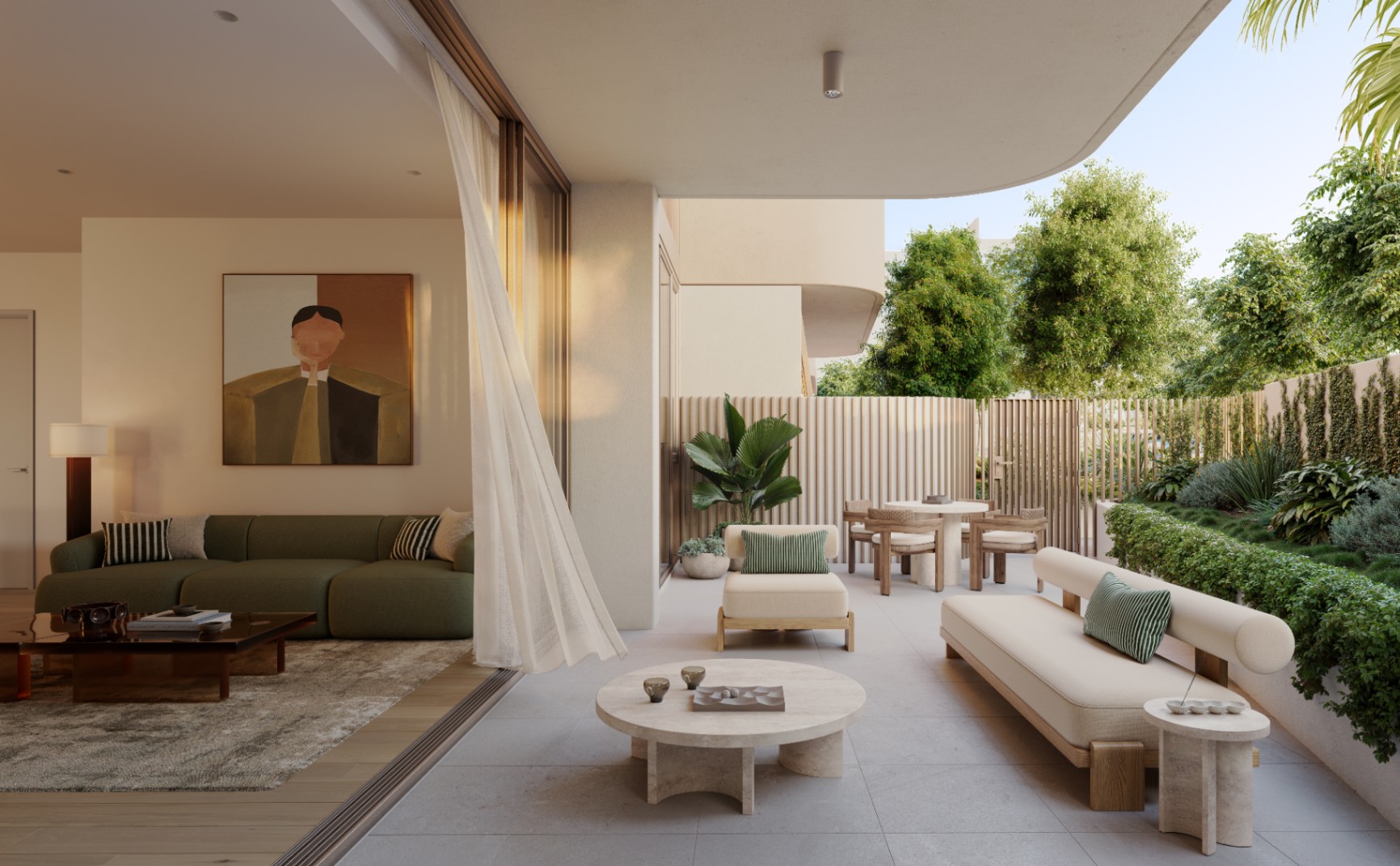
Solis at Harbour Shores | Biggera Waters QLD | $10K deposit | Secure with $10k and $875 x 81 weeks
Extra space tends to become more valuable when it solves a genuine everyday need.
For a family, an additional bedroom might mean children do not need to share. For someone working from home, it could provide a dedicated office rather than a desk squeezed into the living room.
More internal space can also provide flexibility as circumstances change.
A spare bedroom might eventually become a nursery, guest room or study. Larger living areas can make entertaining easier, while additional storage can prevent an apartment from feeling crowded as you accumulate belongings.
This is particularly relevant if you expect to stay in the property for several years. But bigger does not automatically mean better.
A larger apartment with an inefficient layout, dark rooms or wasted corridors may function worse than a smaller apartment where the available space has been designed well.
 Coposit | Buy with $10K | Sydney Real Estate Market | Buy Property in NSW
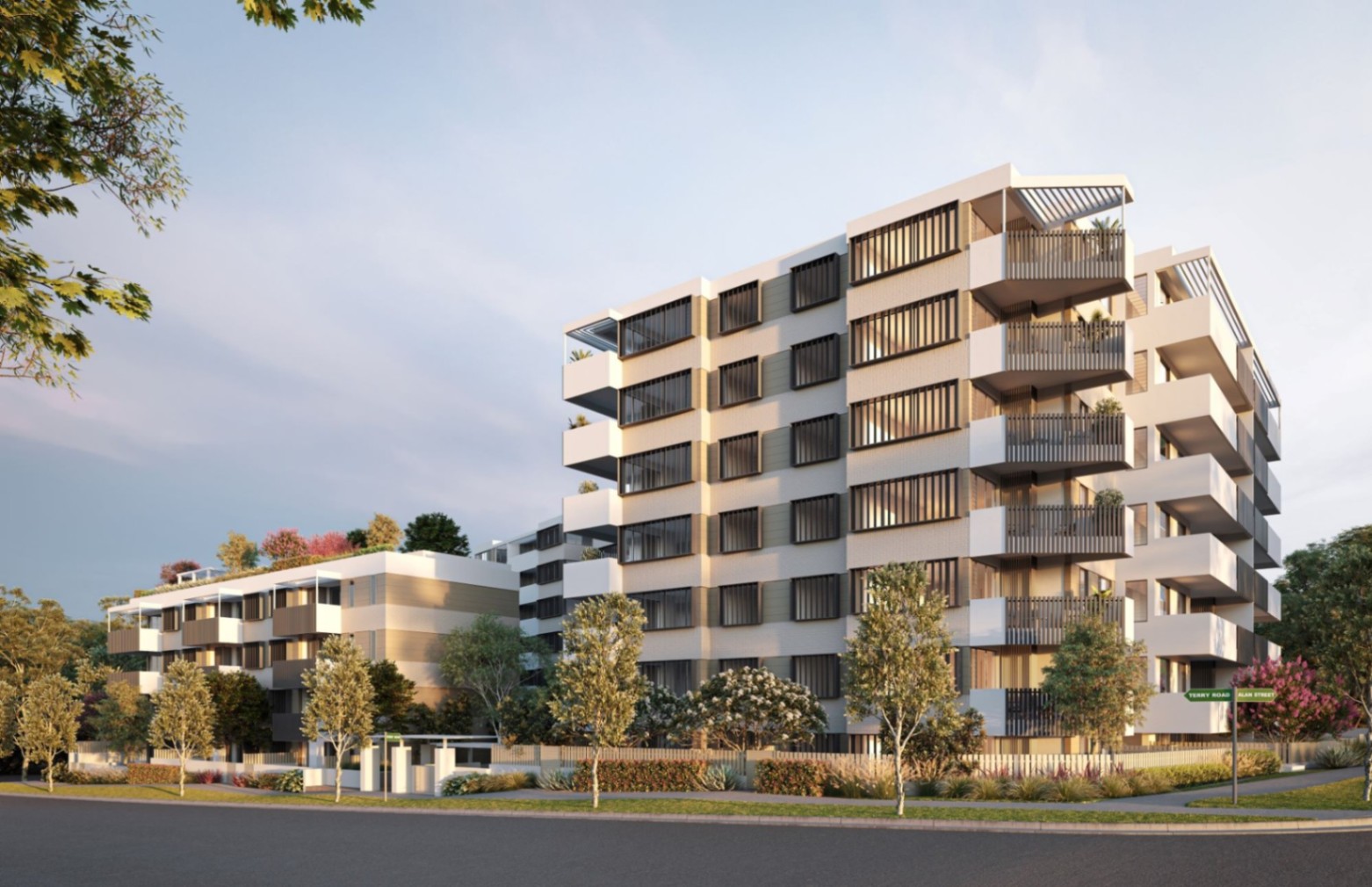
Sky Box Hill | Box Hill NSW | $10K deposit | Secure with $10k and $500 x 108 weeks
The building itself affects much more than how the property looks from the street.
Things worth comparing can include:
Newer developments may also include gyms, pools, rooftop areas, co-working spaces, resident lounges and other facilities.
These can improve everyday life, but they should not automatically determine your decision.
Ask yourself whether you will actually use them.
A large pool may sound impressive during an inspection, but if you rarely swim, a larger living room might provide considerably more value to you.
One useful way to compare apartments is to separate features you can change from those you cannot.
You can repaint walls. You can replace appliances. You can change furniture and, subject to approvals, sometimes modify parts of the interior.
You cannot easily make the apartment larger.
You also cannot move the entire building closer to a train station, add a better outlook or fundamentally change the quality of its common areas.
That means both apartment size and building characteristics deserve serious weight.
Rather than asking which property has the longest list of features, identify which permanent characteristics matter most to you.
 Coposit | Buy with $19K | Sydney Real Estate Market | Buy Property in NSW
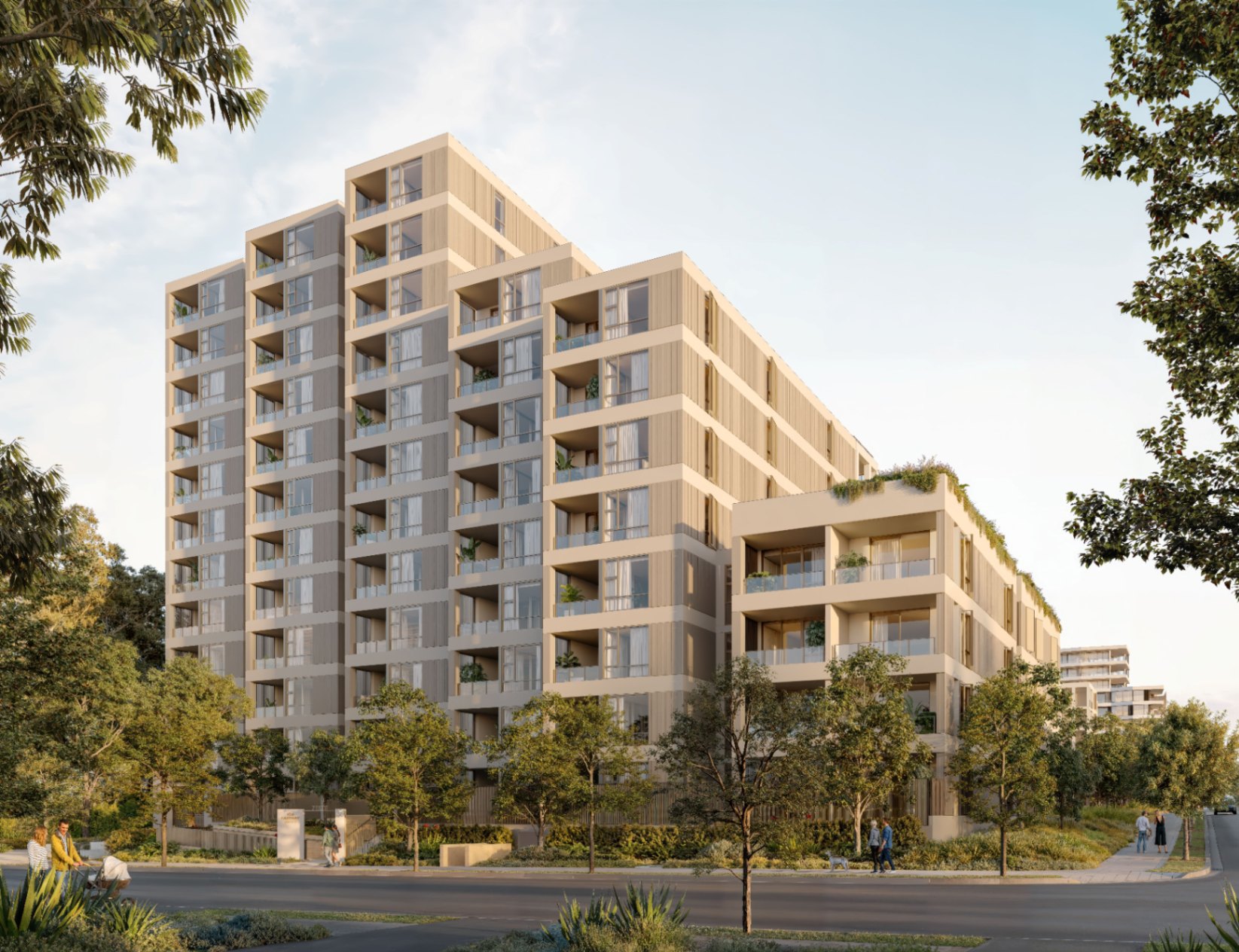
Zeste, The Orchards | Norwest NSW | $19K deposit | Secure with $19k and $210 x 90 weeks
A better-equipped building can also cost more to operate.
Pools, lifts, gyms, landscaped areas, concierge services and extensive shared facilities require ongoing maintenance. Those costs can contribute to higher strata levies.
That does not necessarily make them poor value.
If you use the facilities regularly, paying for them may make sense. A building gym, for example, could reduce the need for a separate gym membership.
But buyers should understand what they are paying for and consider whether the building suits their actual lifestyle rather than being impressed by amenities during the sales process.
Review the relevant strata information and seek professional advice before buying.
Investors may approach the decision differently from owner occupiers.
Rather than asking only which apartment they personally prefer, they need to consider the likely tenant and future buyer.
A larger apartment may appeal to families, couples sharing or people working from home. A well-located building with desirable facilities may attract renters who prioritise convenience and lifestyle.
The answer therefore depends partly on the local market.
A compact apartment beside major transport and employment could make sense in one suburb, while a larger apartment suitable for families could be more desirable elsewhere.
Rental yield, vacancy, strata costs and potential resale demand should all be considered rather than relying on size alone.
If you are choosing between the two, start with your non-negotiables.
Think about:
Then look at the apartment as a whole.
A bigger apartment is not necessarily better value simply because it has more square metres. And a premium building is not automatically worth paying more for simply because it has more amenities.
The better property is usually the one where the space, building and location work together for the way you intend to use it.
If you are comparing new apartments, browse participating properties through Coposit to explore different layouts, locations and developments.
This article provides general information only and does not constitute financial, legal or property advice. Buyers should conduct their own due diligence and seek appropriate professional advice before purchasing property.
Share this article



Follow Coposit:


© 2025 Copyright Coposit.

