

Property purchasing in Australia has traditionally treated the deposit as a single lump sum problem. You need a certain amount of money at a specific moment. If you have it, you can proceed. If you do not, you wait.
For buyers whose financial trajectory is pointing upward but whose current savings position does not yet reflect that trajectory, this model has historically been inflexible. Strong income, growing savings, stable employment, and the genuine capacity to own are all present. The lump sum at exchange is not.
Coposit addresses this directly.
There is a meaningful difference between how much money a buyer has available today and how much they will have available over the next 12 to 24 months.
A buyer who currently has $15,000 in savings but earns a stable income and saves $1,000 per week will have approximately $67,000 in savings after 12 months. After 24 months, approximately $119,000 on the savings alone, before any investment return.
Under the conventional deposit model, this buyer cannot purchase a $750,000 property today because they do not have $75,000 at exchange. They must wait until their savings reach that threshold, by which point the property they wanted may have been sold, the market may have moved, and the price they would have paid today is no longer available.
Under the Coposit model, this buyer can commit to the purchase with $10,000 or more upfront at exchange and build the remaining deposit through weekly instalments during the construction period. Their future savings trajectory is exactly what funds the progressive deposit accumulation.
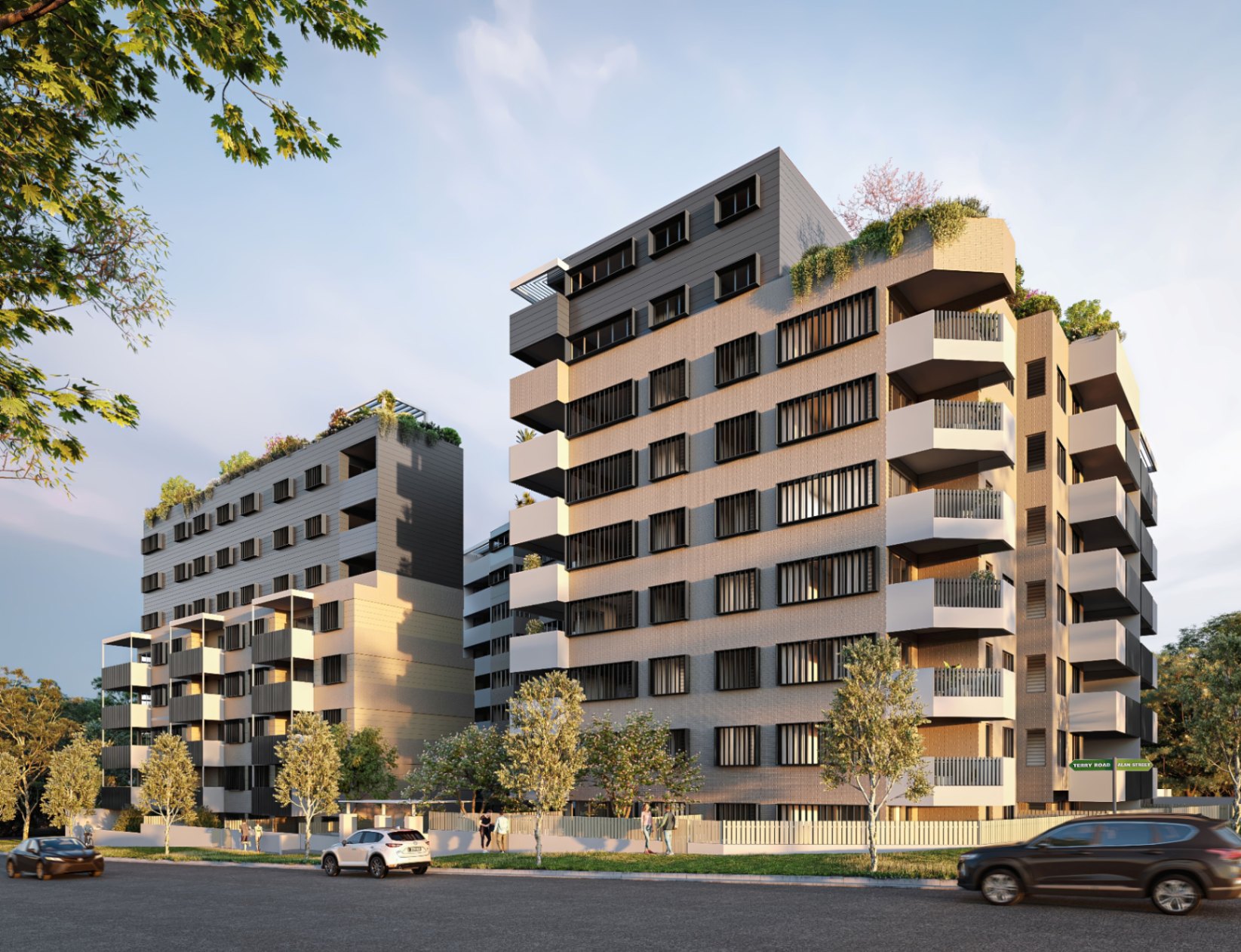 Coposit | Buy with $10K | Sydney Real Estate Market | Buy Property in NSW
Sky Box Hill | Box Hill NSW 2765 | $10K deposit | Secure with $10k and $515 x 105 weeks
Coposit's weekly instalment model is, in practical terms, a structured savings plan directed toward a specific property purchase.
Each week, a fixed amount is transferred from the buyer's accounts to the Ammoze trust account. The deposit builds progressively. The total amount accumulated by settlement equals the full deposit required for the purchase.
For a buyer whose income and savings capacity is growing during the construction period, the weekly instalment is not a strain. It is a structured commitment to a known goal. The buyer knows exactly what they need to pay each week, how many weeks remain, and what the deposit will look like at the end.
This is fundamentally different from open-ended saving toward a deposit that may keep moving as property prices rise. The Coposit model fixes the deposit requirement at the price locked in at exchange and creates a defined, structured path to accumulating it.
Buying with less cash today and more savings later through Coposit is not without conditions. Several things need to be true for the structure to work reliably.
The income must be stable and sufficient. The weekly instalment payments run throughout the construction period. A buyer whose income is variable, seasonal, or at risk of significant interruption faces a challenge if the weekly commitment cannot be met reliably.
The savings growth must be realistic, not aspirational. Buyers should assess what they genuinely save each month rather than what they plan to save. If the weekly instalment requires saving at a rate significantly above what has historically been achieved, the risk of payment difficulty increases.
Finance pre-approval must support the eventual mortgage. The most important test is not whether the buyer can manage the weekly instalments. It is whether the buyer will be able to obtain a home loan sufficient to cover the balance of the purchase price at settlement. Pre-approval before exchange confirms this is realistic based on current circumstances. The buyer needs to maintain and ideally strengthen that financial position during the construction period.
Additional purchase costs must be accounted for. Stamp duty, conveyancing fees, moving costs, and other settlement expenses are due at or around settlement regardless of how the deposit was structured. Buyers who are growing their savings during construction should ensure this growth also accounts for these costs, not just the instalment payments.
 Coposit | Buy with $10K | Canberra Real Estate Market | Buy Property in ACT
Gateway Braddon | Braddon ACT | $10K deposit | Secure with $10k and $213 x 58 weeks
For buyers who want to maximise the time available to grow their savings before settlement, projects with longer construction timelines are the most accommodating.
Queen Square at Campbelltown NSW targets Q4 2029 completion, with instalments of $301 weekly over 158 weeks. This is one of the longest accumulation periods in the current Coposit listings, giving buyers more than three years from today before settlement is required.
Hamilton Grove at Hamilton QLD targets Q3 2029 with instalments of $1,093 weekly over 150 weeks. The higher weekly amount reflects the higher purchase price range but the long timeline still provides significant preparation runway.
Solis at Harbour Shores at Biggera Waters QLD targets Q2 2028 with $885 weekly over 80 weeks. A more concentrated instalment period at a different price point for buyers who want to complete the deposit more quickly.
Read How Long Do You Have to Save Before an Off the Plan Property Settles for a complete guide to how construction timelines affect financial preparation.
Read Can You Keep Saving While Buying an Off the Plan Property for an explanation of how saving and purchasing can happen simultaneously during the construction period.
Browse current listings on the Coposit projects page, download the Coposit app, or contact the Coposit team to compare construction timelines and instalment structures across current projects.
This article is general information only and does not constitute financial advice. Always seek independent financial advice before making any property decisions.
Share this article



Follow Coposit:


© 2025 Copyright Coposit.

