

For years, many Australians viewed holiday homes as offering the best of both worlds. A place to escape. A lifestyle asset. And potentially an income-producing property at the same time.
But in 2026, that balance is coming under far greater scrutiny. From July 1, stricter Australian Taxation Office (ATO) rules are set to apply to holiday homes, particularly around when owners can claim tax deductions and how genuinely available for rent the property actually is.
As a result, many Australians are now reassessing how they use, manage, and financially structure their holiday properties.
The ATO is increasingly focusing on whether holiday homes are genuinely being used to produce income rather than mainly for private lifestyle use.
Under the updated approach, owners may no longer be able to claim certain deductions if the property is not genuinely available for rent during peak demand periods. For many Australians, this changes the conversation significantly.
Because historically, some holiday homeowners may have relied on the idea that occasional rental availability was enough to support deductions. Now, the expectations appear much stricter.
 Coposit | Buy with $10K | Lovedale Farm | Buy Land in NSW
Lovedale Farm | Buy with $10K | Buy property in Lovedale | Secure with $10k and $441 x 127 weeks
The updated rules focus heavily on whether a property is genuinely operating as an income-producing asset.
This includes factors such as:
The ATO has also indicated that personal use may affect deductions more heavily than before. This means holiday homeowners may need to think much more carefully about how they balance lifestyle use and investment intentions.
One of the biggest changes attracting attention is the focus on peak demand periods.
Depending on location, peak periods may include:
If a property is unavailable during the times renters are most likely to book, the ATO may question whether the home is genuinely being operated as a rental property.
This is a major behavioural shift for many owners who previously treated holiday homes as flexible lifestyle assets first and occasional rentals second.
 Coposit | Buy with $20K | Gold Coast Real Estate Market | Buy Property in QLD
Many Australians are now asking broader questions about how their holiday property fits into their long-term financial plans.
These may include:
These questions are becoming increasingly important as tax scrutiny around holiday homes increases.
Perhaps the most interesting shift here is behavioural.
Many Australians increasingly want properties that can serve multiple purposes at once.
People want:
But the new rules suggest the ATO may increasingly expect owners to clearly separate lifestyle use from investment use.
In other words, buyers may need to think more carefully about whether a property is primarily:
And that distinction may now carry greater financial implications.
 Coposit | Buy with $10K | Gold Coast Real Estate Market | Buy Property in QLD
Broader market conditions are also influencing how Australians think about holiday properties.
Rising living costs, holding expenses, insurance, interest rates, and tax scrutiny are causing many buyers to become more cautious and strategic.
Instead of simply chasing lifestyle purchases, many Australians are now asking:
This reflects a much broader shift happening across Australia’s property market in 2026.
As property ownership becomes more expensive and complex, flexibility is becoming increasingly valuable.
Many Australians are exploring:
Rather than following one traditional property formula, buyers are increasingly trying to build strategies that better align with their actual financial situation and lifestyle goals.
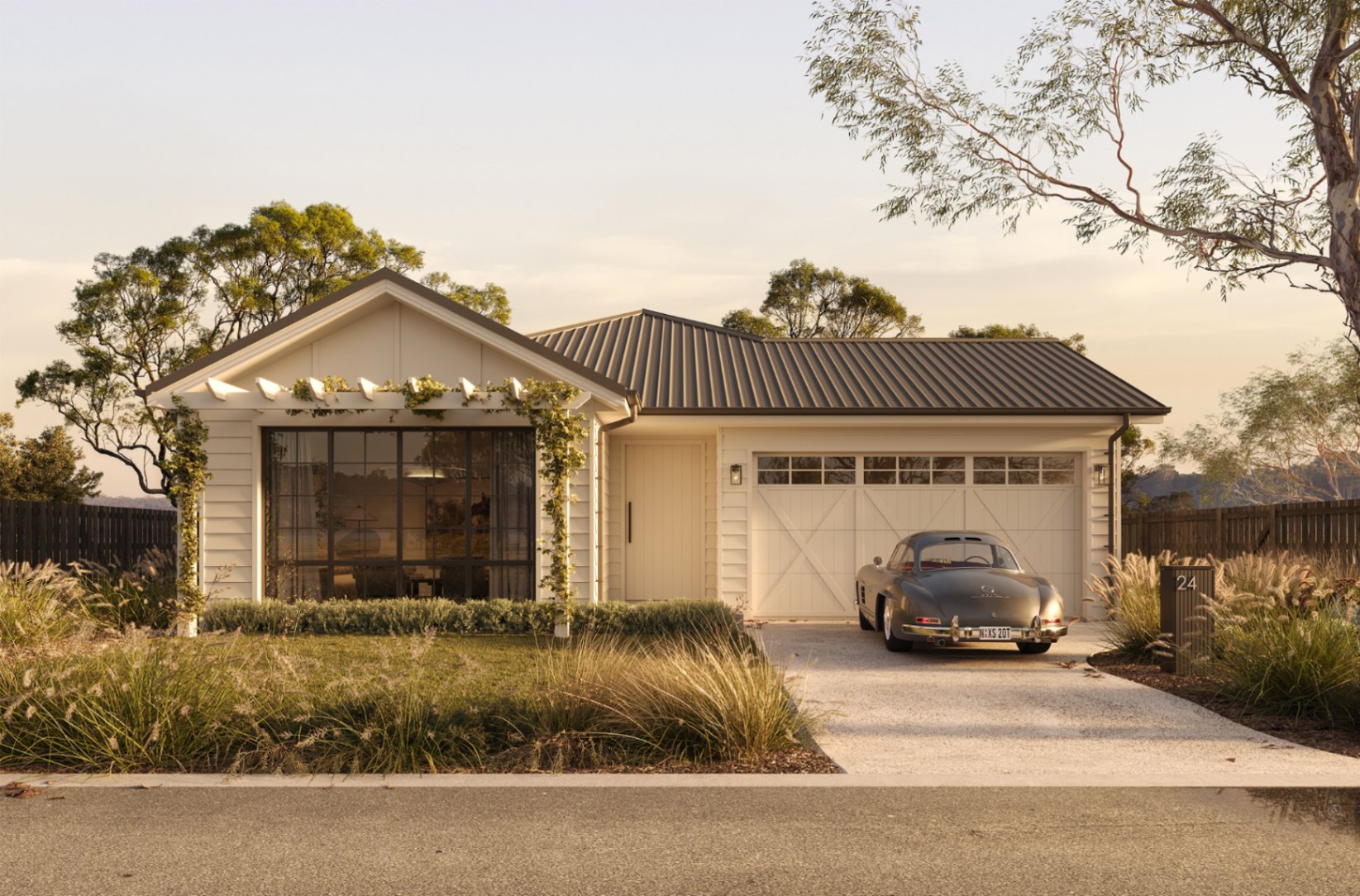 Coposit | Buy with $10K | Hunter Valley Real Estate Market | Buy Property in NSW
While holiday homes continue attracting attention, many Australians are also exploring off-the-plan property as part of broader long-term planning.
For some buyers, off-the-plan pathways may provide:
You can also explore related articles:
Coposit provides a different way for buyers to approach eligible property purchases across Australia, including selected off-the-plan apartments, house and land packages, and new residential developments.
With Coposit, buyers can secure eligible properties with a minimum $10,000 deposit while completing the remaining deposit through weekly instalments during construction.
Through the Coposit app, buyers can explore developments across different locations, compare projects, and better understand property opportunities aligned with their financial and lifestyle goals.
Buyers can also connect with the Coposit team to learn how Coposit works and explore projects that suit their budget, preferred location, and long term plans.
Share this article



Follow Coposit:


© 2025 Copyright Coposit.