

Construction timelines are usually discussed as a source of risk or inconvenience in off the plan purchasing. Delays mean waiting longer. Longer waits mean extended pre-approval renewals, uncertain personal timelines, and the frustration of watching a project move slowly toward a completion date that keeps shifting.
But for buyers using Coposit's deposit instalment model, the length of the construction period has a dimension that is rarely discussed: it directly determines how much the weekly deposit instalment needs to be.
The Coposit deposit instalment model works by dividing the remaining deposit, the full deposit minus the upfront payment at exchange, across the number of weeks in the construction period.
For a property requiring a $75,000 deposit with a $10,000 upfront payment, the remaining deposit is $65,000.
If the construction period is 50 weeks, the weekly instalment is $1,300. If the construction period is 100 weeks, the weekly instalment is $650. If the construction period is 130 weeks, the weekly instalment is $500.
The total deposit paid is identical in every scenario. What changes is the pace at which it is paid and therefore the weekly financial commitment during construction.
A longer construction period means lower weekly instalments. For buyers who are managing weekly deposit payments alongside existing rent or living costs, the difference between $500 per week and $1,300 per week is not marginal. It is the difference between a purchase that is comfortably manageable week to week and one that requires significant financial discipline or constraints other spending.
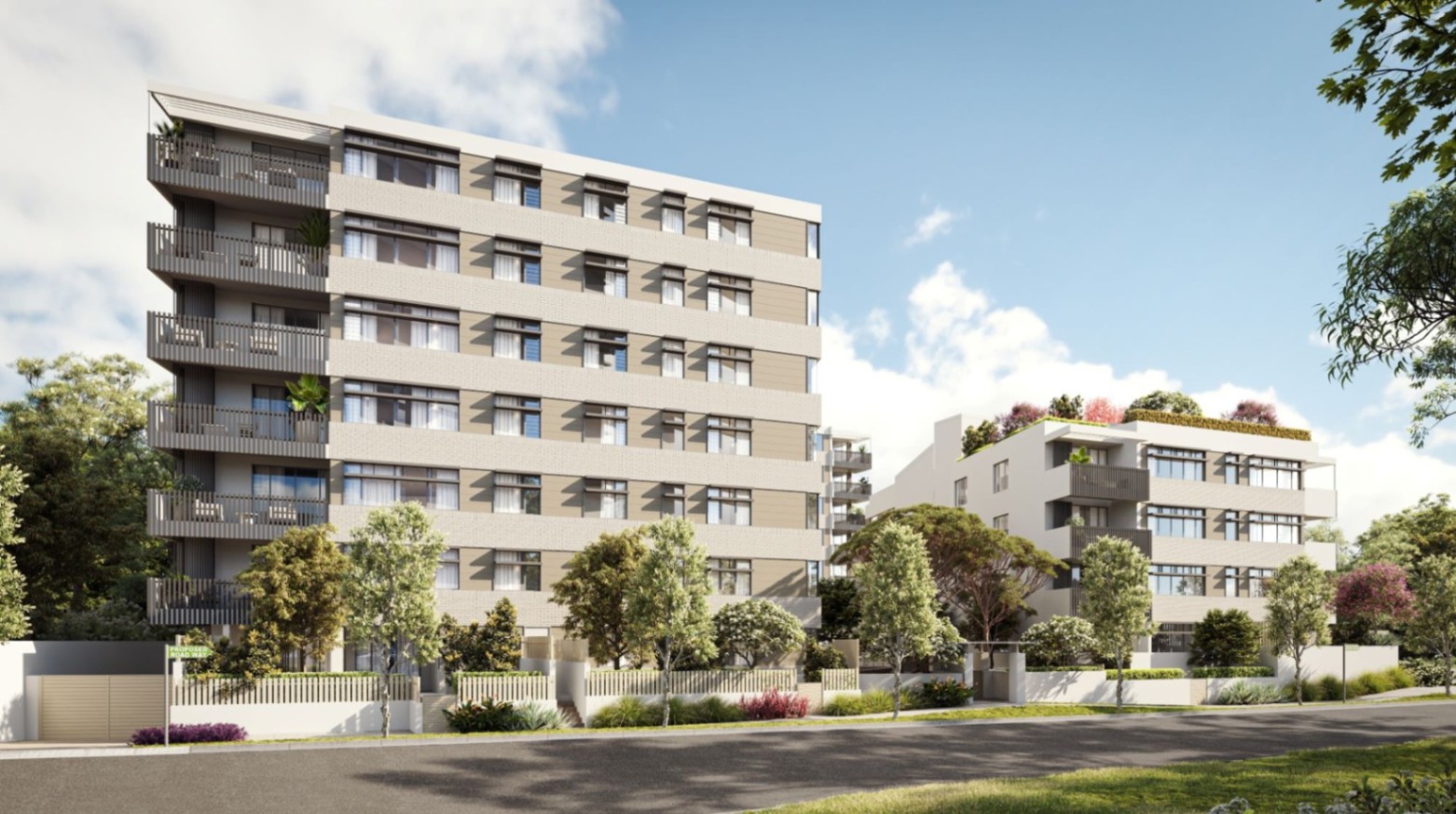 Coposit | Buy with $10K | Sydney Real Estate Market | Buy Property in NSW
Sky Box Hill | Box Hill NSW | $10K deposit | Secure with $10k and $496 x 109 weeks
It is important to distinguish between two different aspects of construction period length.
The instalment period, the number of weeks over which the deposit is built, is a financial planning input. Longer is generally better for cash flow management.
The construction timeline risk, the risk of delays, quality issues, or developer insolvency during construction, does not improve simply because the period is longer. A project with a 130-week construction period that is delivered on time is fine. A project with a 130-week period that is delayed by an additional 18 months creates significant personal and financial planning difficulties.
The two dimensions are related but not the same. Buyers who are attracted to longer instalment periods for cash flow reasons should also assess the developer's track record and the project's construction momentum, not simply the weekly instalment number on the Coposit projects page.
For buyers who use the Coposit deposit instalment model, the construction period is not just deposit-building time. It is also financial preparation time for the mortgage that will be required at settlement.
The home loan at settlement is assessed on the buyer's financial position at that time, not at the time of exchange. A buyer who uses a 24-month construction period to pay down existing debts, close unused credit cards, build a savings buffer, and maintain stable employment arrives at the settlement mortgage assessment in a materially stronger position than one who has done none of these things.
The longer the construction period, the more time the buyer has to make these improvements. A buyer who is at the edge of mortgage readiness at exchange may be comfortably within lending criteria 18 months later if they have used the construction period deliberately.
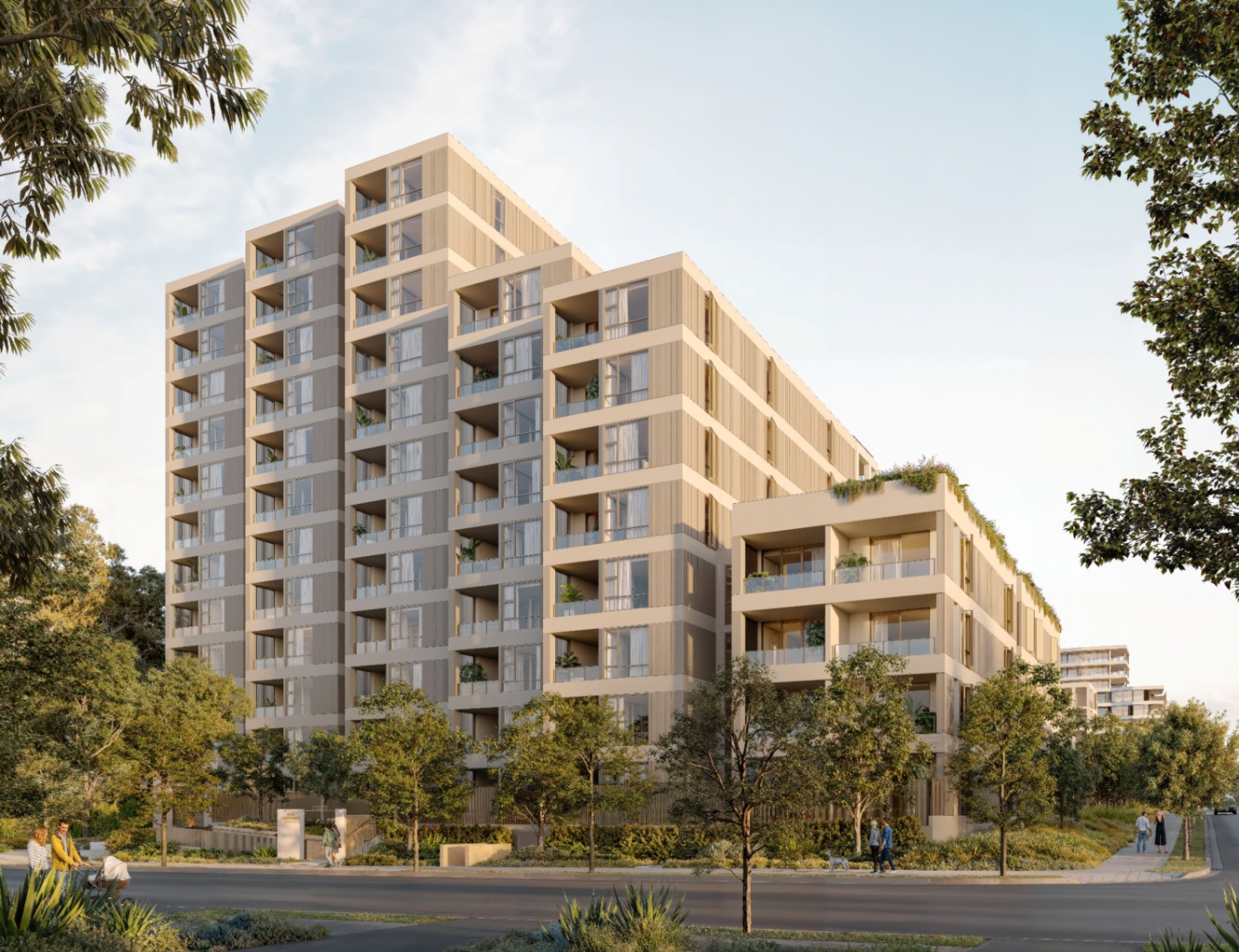 Coposit | Buy with $19K | Sydney Real Estate Market | Buy Property in NSW
Zeste | Norwest NSW | $19K deposit | Secure with $19k and $208 x 91 weeks
Not every buyer benefits from a longer construction period and lower weekly instalments.
Buyers who have strong cash flow, no constraint on weekly payment capacity, and are primarily motivated by getting to settlement quickly are better served by shorter construction periods with higher weekly payments. They build the deposit faster, reach settlement sooner, and begin the ownership and rental income stages of the investment earlier.
For investors whose primary concern is the depreciation benefit and rental income that begins at settlement, a shorter construction period compresses the pre-settlement holding phase and accelerates the return of capital in the form of rental income and tax deductions.
The right construction period length depends on cash flow capacity, investment strategy, and personal timeline, not simply on which number is lower.
 Coposit | Buy with $10K | Sydney Real Estate Market | Buy Property in NSW
Waterstone | St Leonards NSW | $26K deposit | Secure with $26k and $694 x 47 weeks
When comparing Coposit projects, the weekly instalment and construction period should be assessed alongside the purchase price, the location fundamentals, the developer track record, and the expected settlement timeline.
A project with a longer construction period and lower weekly instalment may suit a buyer who needs maximum cash flow flexibility during construction. A project with a shorter period and higher weekly payment may suit a buyer who wants to complete the deposit quickly and move toward settlement.
Browse current listings on the Coposit projects page to compare construction periods and weekly instalment amounts across all current projects, download the Coposit app, or contact the Coposit team to understand which projects and timelines suit your situation.
For renters who want a pathway that does not involve waiting for construction, join the Unrent by Coposit waitlist to find out what completed properties are available.
This article is general information only and does not constitute financial advice. Construction timelines are estimates and subject to change. Always seek independent financial advice before making any property decisions.
Share this article



Follow Coposit:


© 2025 Copyright Coposit.

