

The choice between a fixed and variable rate mortgage is one of the first decisions most home loan applicants face, and one of the most commonly misunderstood.
Most buyers approach it as a bet on where interest rates are heading. If rates are going up, fix. If they are going down, stay variable. But the rate direction is only one consideration, and often not the most important one for a given buyer's situation.
Here is how fixed and variable rates actually work, what the current environment suggests, and how to make the decision based on your situation rather than a rate forecast.
 Coposit | Buy with $10K | Sydney Real Estate Market | Buy Property in NSW
Bronze on Chevron | Surfers Paradise QLD | $10K deposit | Secure with $10k and $1,163 x 123 weeks
A fixed rate mortgage locks your interest rate for a set period, typically one, two, three, or five years. During that period your rate does not change regardless of what the Reserve Bank of Australia does with the cash rate or what lenders do with their variable rates.
At the end of the fixed period the loan rolls onto the lender's standard variable rate unless you refinance or negotiate a new fixed term.
The advantages of fixing:
Certainty. Your repayment amount is the same every month for the fixed period. Budgeting is straightforward. A rate rise during the fixed period does not affect you.
The disadvantages of fixing:
Inflexibility. Most fixed rate loans have significant break costs if you want to exit the loan during the fixed period, to refinance, to sell the property, or because your circumstances change. These break costs can run to tens of thousands of dollars depending on how far rates have moved since you fixed.
Limited extra repayments. Most fixed loans restrict how much you can repay above the minimum, typically $10,000 to $20,000 per year. If you come into money and want to pay down the loan significantly, a fixed rate restricts that.
No offset account. Most fixed rate loans do not offer an offset account, which is one of the most effective tools for reducing the interest you pay over the life of a variable rate loan.
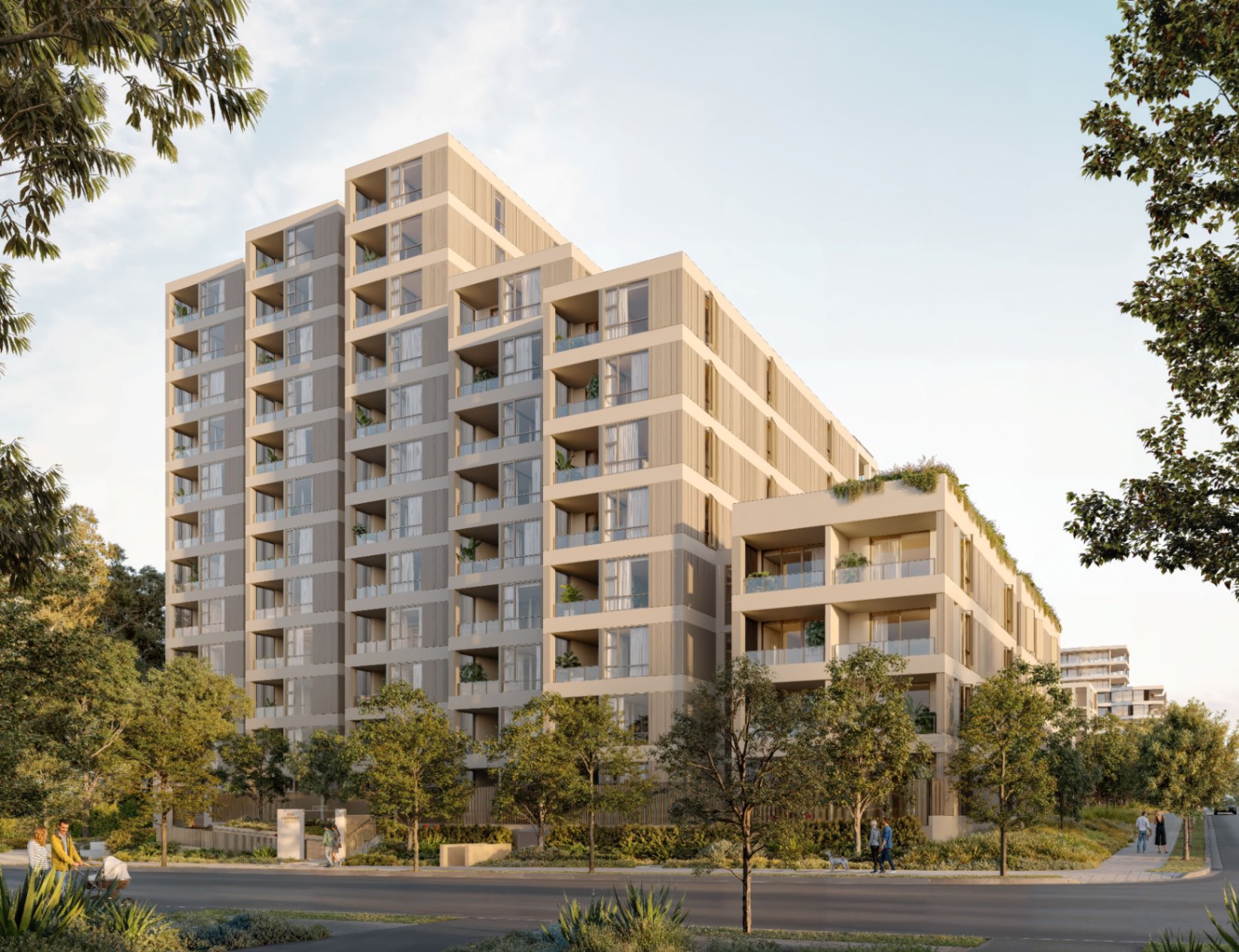 Coposit | Buy with $19K | Sydney Real Estate Market | Buy Property in NSW
Zeste | Norwest NSW | $19K deposit | Secure with $19k and $206 x 92 weeks
A variable rate mortgage moves up and down with the lender's standard variable rate, which typically tracks the RBA cash rate with some lag and lender-specific adjustment.
The advantages of variable:
Flexibility. You can make unlimited extra repayments, use an offset account to reduce interest, and refinance or exit without break costs.
Potential to benefit from rate cuts. When the RBA cuts the cash rate, variable rate borrowers typically see their repayments fall.
The disadvantages of variable:
Uncertainty. Your repayment can rise when the RBA increases the cash rate. Three rate hikes in the first half of 2026 have increased repayments for variable rate borrowers by a meaningful amount.
Australia's rate cycle in 2026 has been characterised by three hikes in the first half of the year. The first rate cut is not forecast until Q2 2027 by independent economic modelling.
That context shapes the fixed vs variable decision in a specific way.
If rates are expected to fall from Q2 2027, locking in a fixed rate now means potentially missing the rate cuts when they arrive. But it also means certainty through a period where rates are still elevated and the timing of cuts remains uncertain.
The current fixed rates available from most lenders already price in the expected rate cuts to some degree, lenders price fixed rates based on where they expect rates to be, not where they are today. This means fixing now does not necessarily give you the full benefit of current elevated rates.
For most buyers in 2026, a variable rate with an offset account offers more flexibility and the ability to benefit from rate cuts when they arrive. But the right answer depends on your personal situation.
 Coposit | Buy with $21K | Sydney Real Estate Market | Buy Property in NSW
Sanctuary | Wentworth Point NSW | $21K deposit | Secure with $21k and $230 x 92 weeks
Fix if:
You have a tight budget and cannot absorb a rate increase. The certainty of a fixed repayment outweighs the flexibility of variable if a rate rise would genuinely cause financial stress.
You are planning to hold the property for the full fixed period without selling, refinancing, or making large additional repayments.
You have significant risk aversion around interest rate uncertainty.
Stay variable if:
You want flexibility, to make extra repayments, use an offset account, or refinance without break costs.
You expect your income to increase and want the ability to pay down the loan faster.
You want to benefit from rate cuts when they arrive rather than being locked into a fixed rate above what variable borrowers are paying.
Consider a split loan:
Many buyers split their loan, fixing a portion for certainty and keeping a portion variable for flexibility. A common split is 50/50 or 60/40 fixed to variable. This provides partial protection against rate rises while maintaining some flexibility and offset account benefit on the variable portion.
 Coposit | Buy with $18K | Sydney Real Estate Market | Buy Property in NSW
Aeris | Melrose Park NSW | $18K deposit | Secure with $18k and $209 x 88 weeks
An offset account is a transaction account linked to your mortgage. The balance in the offset account reduces the loan balance on which interest is calculated. If you have a $600,000 loan and $50,000 in your offset account, you pay interest on $550,000.
Over the life of a loan, an offset account with a consistent balance can save tens of thousands of dollars in interest and reduce the loan term significantly. This benefit is not available on most fixed rate loans.
For buyers who have savings, receive irregular income, or are building a buffer, the offset account is often the most practical financial tool available under a variable rate mortgage.
For buyers purchasing through Coposit, the mortgage decision is made at settlement, which for off the plan purchases is typically 12 to 24 months after signing the contract. That means the rate environment at settlement, not at contract, is what determines your options.
For a buyer signing a Coposit contract today with settlement in Q1 2028, the rate environment at settlement may look materially different from today, particularly if the first rate cuts arrive in Q2 2027 as forecast. A broker can help you think through which loan structure is likely to suit your situation at the expected settlement date rather than today.
For renters who are working toward their first property purchase and want to understand how Unrent by Coposit might offer a different entry point, find out if you are eligible at unrent.coposit.com.au/eligibility.
Browse current off the plan listings on the Coposit projects page, download the Coposit app, or contact the Coposit team to understand which projects and timelines suit your mortgage planning.
This article is general information only and does not constitute financial advice. Interest rate forecasts are indicative only. Always seek independent financial advice before making any loan decisions.
Share this article



Follow Coposit:


© 2025 Copyright Coposit.