

Developer research is the most important due diligence step in any off the plan purchase and the one that buyers most consistently underinvest time in. The marketing is compelling. The display suite is impressive. The renders are polished. None of that tells you whether the developer can actually deliver what they are selling.
Here is how to research a developer properly before committing to any purchase.
The most reliable indicator of a developer's future performance is their past performance. Find buildings they have previously completed and research them specifically rather than relying on the developer's own account of their track record.
Search for the developer's name on Google combined with terms like "defects", "delay", "legal action", or "complaint" to surface any publicly documented issues with past projects. Search for completed buildings by name and read reviews on property forums and owner feedback sites. Look up strata reports for completed buildings where they are available, defect histories tell you more about construction quality than any marketing material.
Ask the developer directly for a list of their completed projects. A developer who is confident in their track record will provide this promptly and specifically. A developer who responds with vague references to experience or industry reputation without providing specific completed project names is a developer who does not want you to look at what they have actually delivered.
 Coposit | Buy with $10K | Canberra Real Estate Market | Buy Property in ACT
Gateway Braddon | Braddon ACT | $10K deposit | Secure with $10k and $167 x 74 weeks
The Independent Construction Industry Rating Tool provides an independent, structured assessment of developers and builders across six dimensions: corporate governance, financial resilience, experience, conduct, capability, and delivery.
A strong iCIRT rating means the developer has submitted to independent scrutiny and has been assessed as trustworthy, capable, and financially stable across all six dimensions. The absence of an iCIRT rating means the developer has not submitted to that scrutiny.
iCIRT ratings are publicly accessible and searchable. Check the rating and read the assessment notes, not just the headline score. Understanding which dimensions were rated strongly and which were rated lower provides more useful information than a single number.
The Australian Securities and Investments Commission maintains publicly accessible records of corporate entities including insolvency events, legal proceedings, and regulatory actions.
Search for the developer's company name and any related entities on the ASIC website. Look for past insolvency events, deregistered related entities, or regulatory actions. A developer with a history of related company collapses is a significantly higher risk than one with a clean corporate history across all their entities.
Related entity collapses are a specific red flag. Developers who have structured previous projects through entities that were wound up after delivery have less accountability for the long-term performance of those buildings than developers who maintain ongoing corporate relationships with their completed projects.
 Coposit | Buy with $10K | Sydney Real Estate Market | Buy Land in NSW
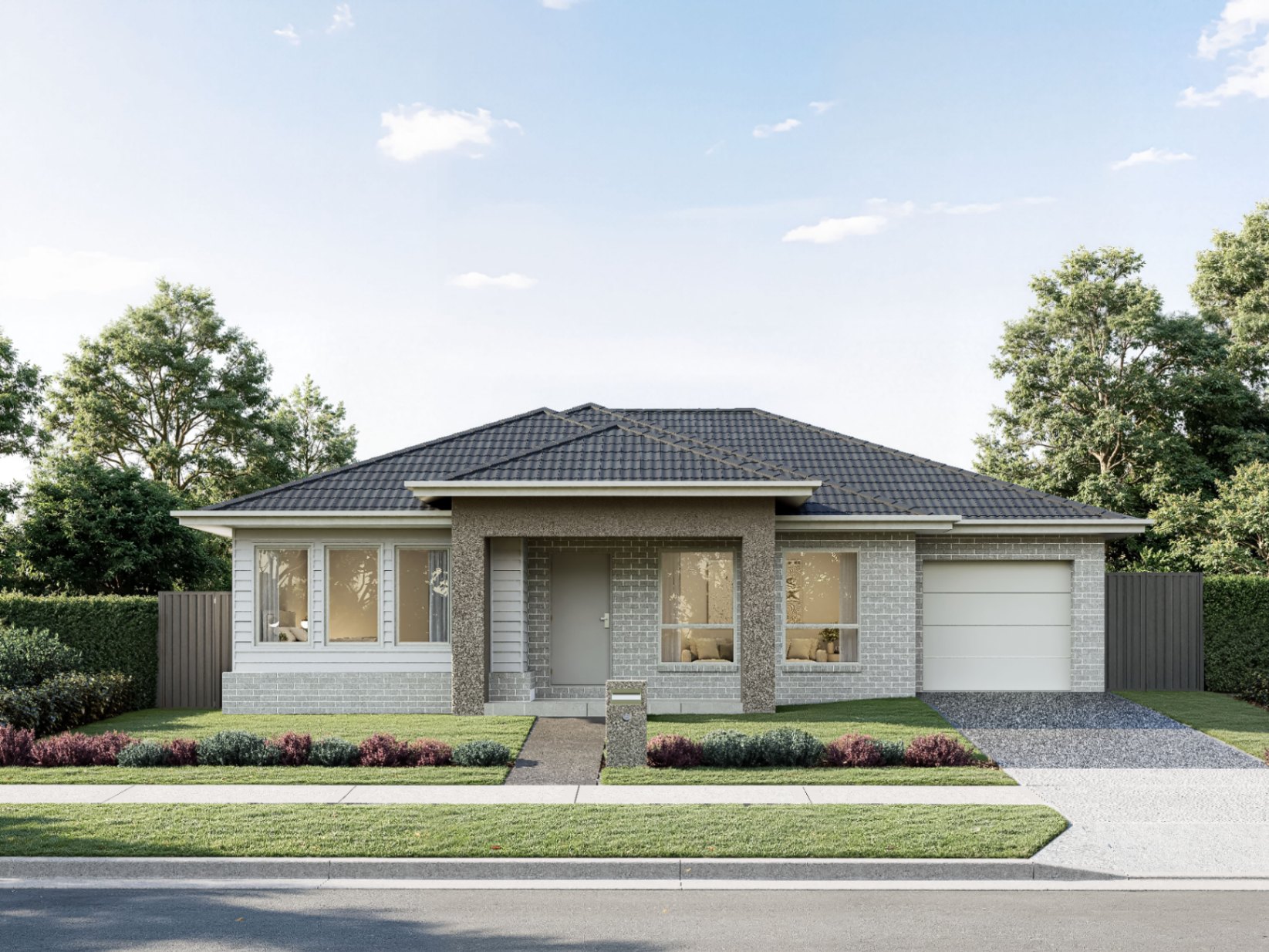
Everlea | Currans Hill NSW | $15K deposit | Secure with $15k and $316 x 69 weeks
If the developer and the builder are different entities, research both. The developer sells the project and manages the development process. The builder physically constructs the building. Quality construction requires a capable and financially stable builder as much as a capable developer.
In markets where builder insolvencies have been significant, understanding the specific builder's financial position and track record is essential. The developer's track record of selecting capable builders is itself a meaningful signal about their project management quality.
Understanding how the project is financed gives you insight into its viability and the developer's risk management approach.
Has a construction loan been secured from an institutional lender? A major bank lending against the construction is a signal that the project has been assessed as viable by sophisticated financial analysis. What proportion of apartments are pre-sold? High pre-sales indicate market demand and typically support construction financing. Are there institutional investors involved?
A project that is heavily reliant on private credit, with low pre-sales and no institutional involvement, carries more risk than one with bank financing and strong pre-sales momentum.
Read How to Check if an Off the Plan Developer Is Financially Safe Before You Buy for a complete developer assessment framework.
A developer who is confident in their track record and their project will answer direct questions about their completed projects, their builder, their construction financing, and their iCIRT rating without evasion.
Ask specifically: How many projects have you completed? Were they delivered on time and to specification? Who is building this project and what is their track record? Has construction financing been secured? What is your iCIRT rating? The quality of the answers, and whether they are given at all, is itself useful information about the developer's transparency and confidence in their own record.
Read Is Buying Off the Plan Safe to learn how to choose the right developer and project with confidence.
Browse current Coposit listings on the projects page, download the Coposit app, or contact the Coposit team to understand the developer and builder credentials for specific projects.
This article is general information only and does not constitute financial or legal advice. Always seek independent advice before making any property decisions.
Share this article



Follow Coposit:


© 2025 Copyright Coposit.

