

The honest answer to this question is: longer than most people expect, and longer than it used to take.
Understanding why -- and what options exist to shorten the timeline -- is the starting point for anyone who is currently saving toward their first property purchase.
The traditional benchmark for a property deposit is 20% of the purchase price. At 20%, buyers avoid lenders mortgage insurance -- an additional cost that protects the lender if the borrower defaults.
In practice, many buyers target a smaller deposit and pay LMI, use the First Home Guarantee to purchase with 5%, or use alternative structures like Coposit's off the plan instalment model.
But for planning purposes, understanding what 20% looks like in each major market is the starting point.
Sydney: Median unit price approximately $780,000. A 20% deposit is $156,000. A 10% deposit is $78,000.
Melbourne: Median unit price approximately $580,000. A 20% deposit is $116,000. A 10% deposit is $58,000.
Brisbane: Median unit price approximately $670,000. A 20% deposit is $134,000. A 10% deposit is $67,000.
Perth: Median unit price approximately $620,000. A 20% deposit is $124,000. A 10% deposit is $62,000.
These numbers have risen significantly over the past five years and continue to move. A deposit target calculated today may not be the deposit target required by the time it is saved.
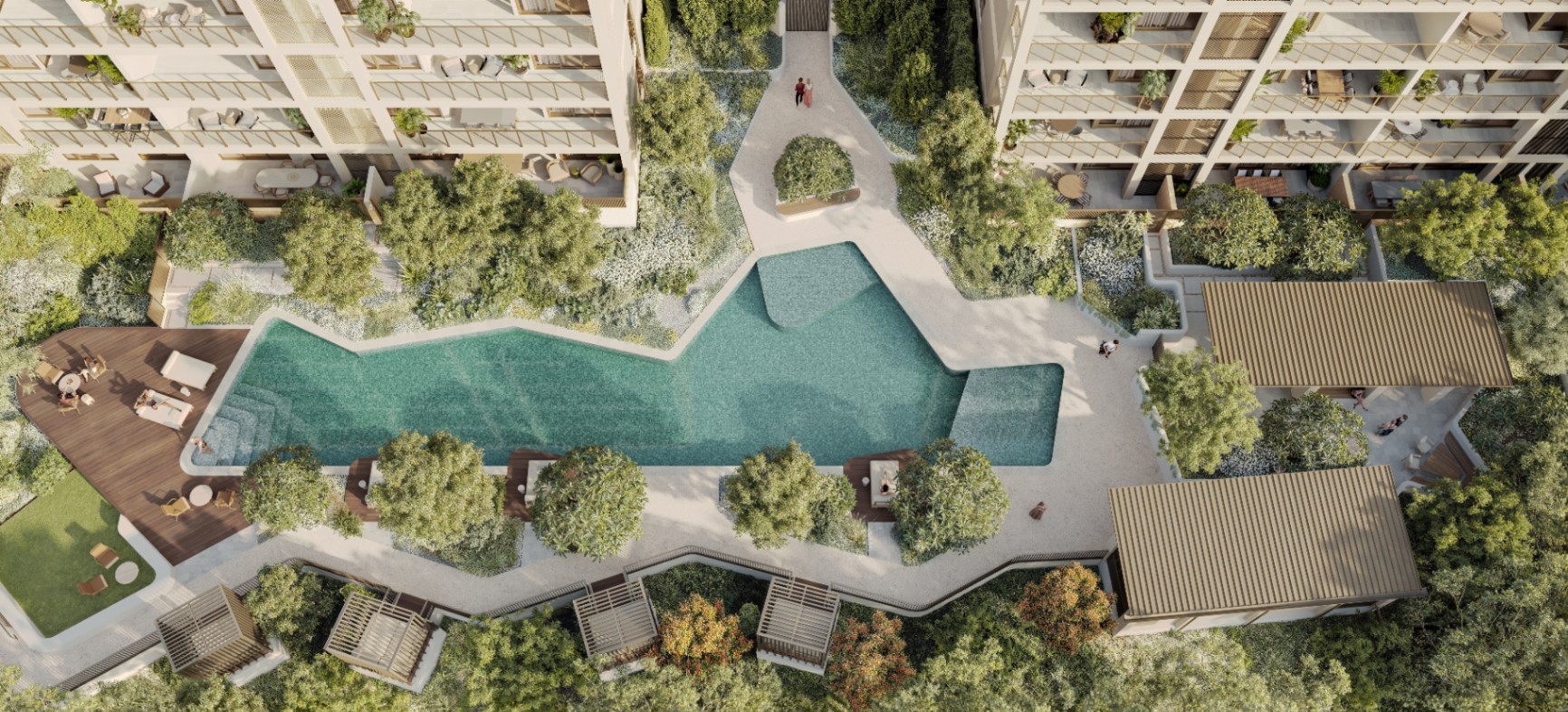 Coposit | Buy with $19K | Sydney Real Estate Market | Buy Property in Norwest NSW
Zeste | Norwest NSW | $19K deposit | Secure with $19k and $197 x 96 weeks
The timeline to a deposit depends on three variables: what you are saving, how much you can save each week, and what the market does while you are saving.
Scenario 1: Sydney buyer targeting a 10% deposit on a $780,000 unit.
Deposit target: $78,000. A buyer on $100,000 gross income takes home approximately $73,000 after tax. After rent at $780 per week ($40,560 annually), food, transport, utilities, and basic living costs, they may have $10,000 to $15,000 available to save each year.
At $12,500 per year in savings: 6.2 years to reach the deposit target.
But if Sydney unit prices appreciate at 3% annually during that period, the deposit target on the same property type in 6 years is approximately $93,000 rather than $78,000. The buyer needs to save longer or accept a higher LMI cost.
Scenario 2: Brisbane buyer targeting a 10% deposit on a $670,000 unit.
Deposit target: $67,000. A buyer on $90,000 gross income after tax takes home approximately $67,000. After rent at $600 per week ($31,200 annually) and living costs, they may have $12,000 to $18,000 available to save.
At $15,000 per year in savings: 4.5 years to reach the deposit target.
Brisbane unit prices are forecast to grow 7% over FY2027 alone. The deposit target is moving faster in Brisbane than in Sydney right now.
Scenario 3: Perth buyer targeting a 10% deposit on a $620,000 unit.
Deposit target: $62,000. Perth's rental costs are lower than Sydney's but rising. A buyer saving $14,000 per year reaches the deposit target in approximately 4.4 years.
Perth unit prices are forecast to grow 9% over FY2027. The fastest forecast growth in any Australian capital city means the deposit target is moving most quickly for Perth buyers who are saving rather than committing.
Rising rents. Every dollar that goes toward rent is a dollar that does not go toward the deposit. As median rents have risen 40% nationally over the past five years, the amount available for deposit saving has fallen significantly for renters on stable incomes.
The moving target problem. A buyer saving toward a $75,000 deposit on a $750,000 apartment is saving toward a moving target. If the property appreciates while they save, the deposit they need grows proportionally. In high-growth markets, the deposit target can move faster than the savings rate.
Interest rate environment. While savings account rates have improved with the rate cycle, the gap between the rate of return on savings and the rate of property price growth means deposit savers are typically losing ground rather than gaining it in a rising market.
Lifestyle costs. Saving $15,000 per year while renting in Sydney requires genuine discipline and usually means significant lifestyle compromise. Sustaining that over five or six years is difficult, and most buyers take longer than their initial projections suggest.
Use the First Home Guarantee. Eligible first home buyers can purchase with a 5% deposit and no LMI. This halves the deposit target for buyers who qualify. The timeline to 5% is roughly half the timeline to 10%.
Use Coposit's off the plan instalment model. Through Coposit, eligible off the plan properties can be secured with $10,000 upfront. The remaining deposit is paid through weekly interest-free instalments during construction. For a buyer who has $10,000 available now, this model removes the need to save the full deposit before committing to a purchase. The property price is locked in today and the deposit builds during construction.
At $371 per week over 170 weeks, a buyer at Concord Central in Concord West is building toward a deposit at a rate that is faster than most deposit savers can achieve while paying rent simultaneously -- and they have locked in today's price rather than chasing a moving target.
Consider markets with better affordability. A buyer who is flexible on location can significantly shorten their timeline by targeting markets where the deposit is smaller relative to their saving capacity. A Brisbane or Perth buyer on the same income as a Sydney buyer reaches their deposit target faster -- and enters a market with stronger near-term growth forecasts.
Use Unrent by Coposit. For renters who feel the deposit gap is genuinely unbridgeable, Unrent by Coposit is now live. Under this model, rent accumulates toward a deposit rather than disappearing into a landlord's equity. The timeline from renting to owning is restructured so that the rent itself does the deposit-saving work. Find out more at unrent.coposit.com.au.
Browse current listings on the Coposit projects page, download the app, or contact the team to understand how the deposit structure works for specific projects.
This article contains general information only. Savings timelines and property price projections are illustrative examples based on publicly available data and should not be relied upon as financial advice. Always seek independent financial advice for your specific situation.
Share this article



Follow Coposit:


© 2025 Copyright Coposit.