

Most Australians have no idea what a lender will actually offer them until they're sitting in front of a broker. By then, they've often already fallen in love with a property they can't afford, or talked themselves out of one they could.
This changes that.
Before any formal assessment, before payslips and bank statements and credit checks, there's a simple relationship between your income and your borrowing capacity that gives you a working number to plan around.
For a PAYG employee, someone working for an employer with regular payslips, not self-employed, with zero liabilities, the broad rule of thumb looks like this:
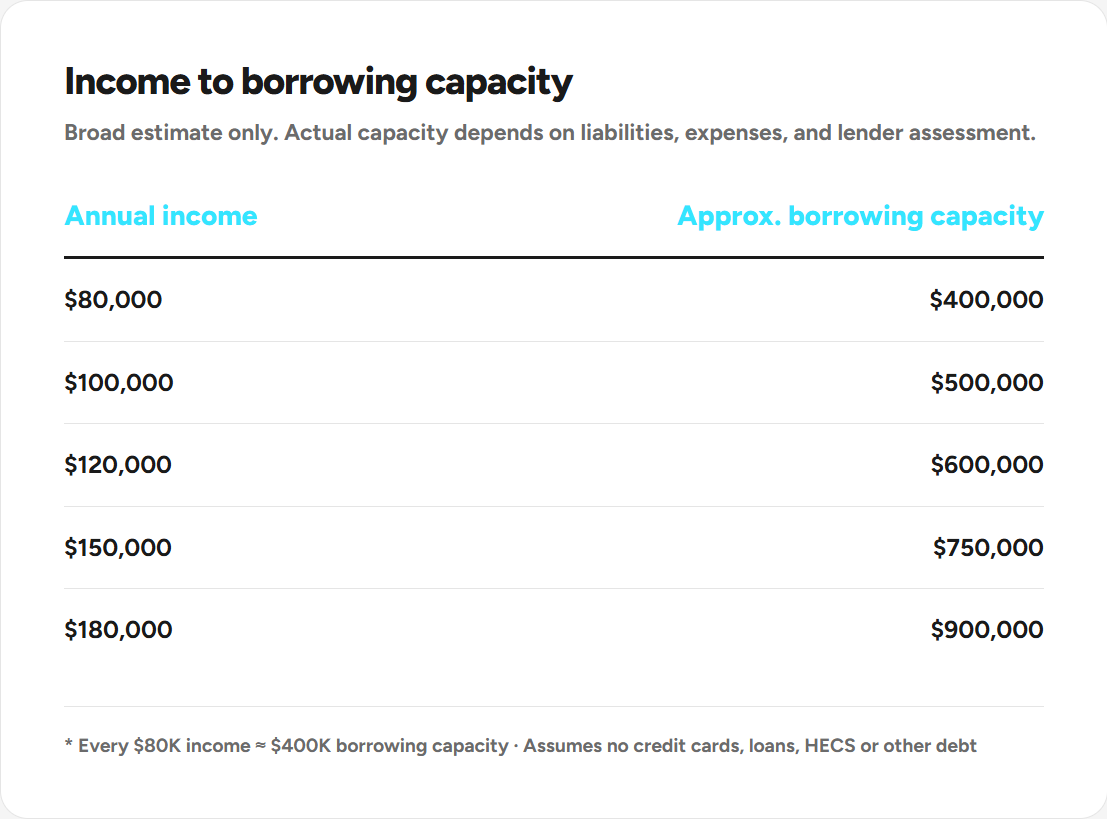 Coposit | Income Guide | Borrowing Capacity Rule of Thumb | PAYG Employees with Zero Liabilities
Every $80,000 of income roughly corresponds to $400,000 in borrowing capacity. The relationship scales broadly from there.
This is a rule of thumb, not a guarantee. Every lender assesses applications differently. Your actual borrowing capacity depends on your specific income, your liabilities, your living expenses, the number of dependants you have, and which lender you apply with. But as a starting point for planning, before you spend weekends at open homes for properties you may not be able to finance, it gives you a realistic range to work within.
The figures above assume zero liabilities. That means:
In practice, most buyers have at least one of these. Every liability reduces your borrowing capacity. A $10,000 credit card limit, even if you never use it, reduces what a lender will offer because it counts as a potential obligation. A $20,000 car loan has a more significant impact.
The practical implication is clear. If you are planning to buy property in the next one to two years, reducing your liabilities now is one of the most effective things you can do to increase what you can borrow. Pay down credit cards. Close accounts you don't use. Minimise your HECS balance if possible.
Every dollar of liability you remove translates directly into more borrowing capacity.
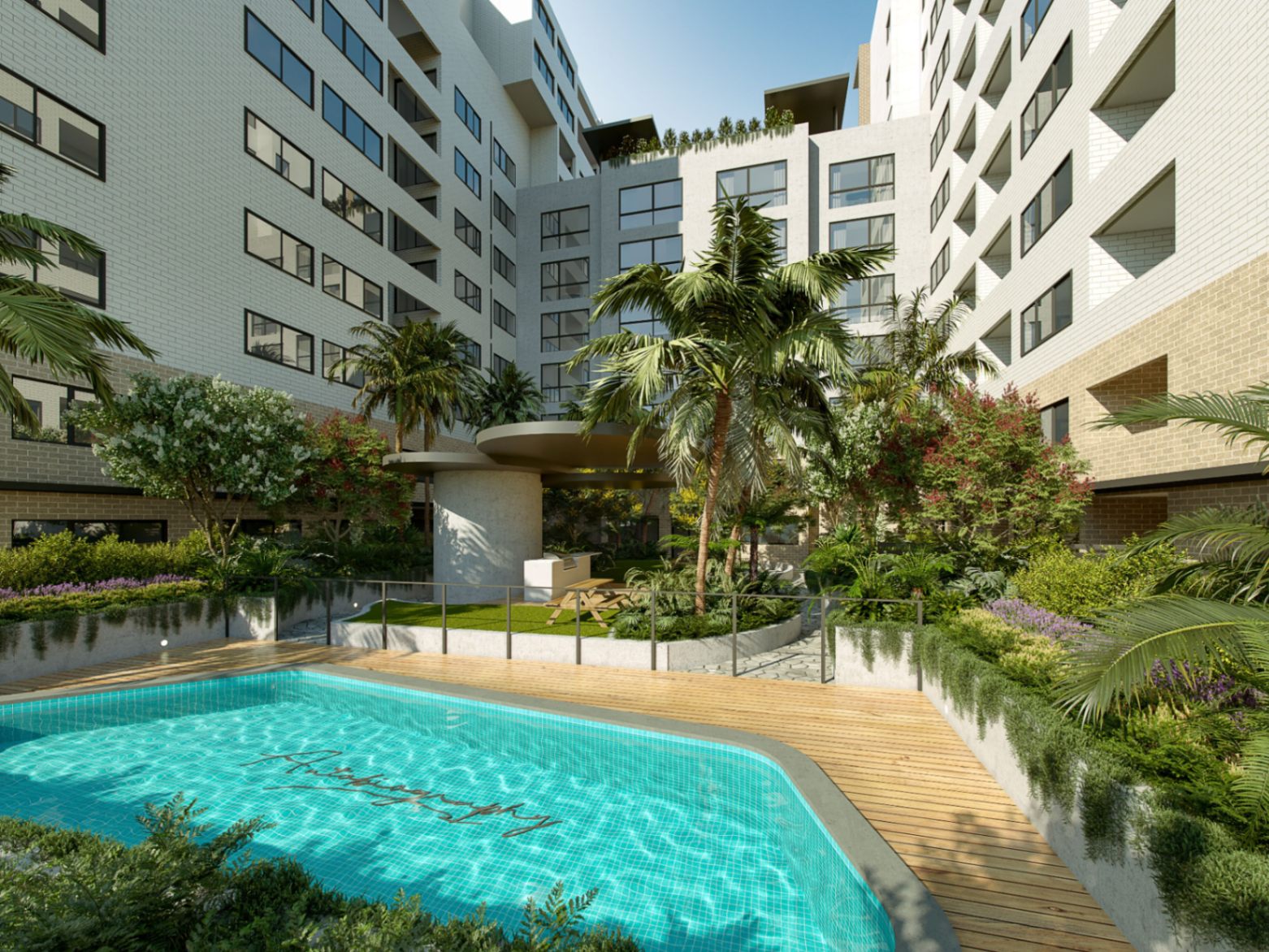 Coposit | Buy with $10K | Newcastle Real Estate Market | Buy Property in Wickham NSW
Autobiography | Wickham NSW | $10K deposit | Secure with $10k and $715 x 91 weeks
Queensland offers one of the most compelling first home buyer packages in the country right now, and understanding the numbers before you enter the market makes a significant difference to how much you actually need to save.
On a $700,000 purchase as a first home buyer buying owner-occupied in Queensland:
Stamp duty: $0. Queensland first home buyers purchasing an established property up to $700,000 pay no stamp duty.
Lenders mortgage insurance: $0. With a minimum 5 per cent deposit under the First Home Guarantee scheme, LMI is waived.
Minimum deposit required: approximately $35,000.
Compare that to buying the same $700,000 property as an investment property as a first home buyer, without using the First Home Buyer scheme:
Stamp duty: approximately $20,000.
Minimum deposit to avoid LMI: 20 per cent, which is $140,000.
Total funds required: approximately $160,000.
The difference between those two scenarios, $35,000 versus $160,000. is the value of the owner-occupier first home buyer pathway. It is not a minor difference. It is the difference between being able to act now and needing another five or more years of saving.
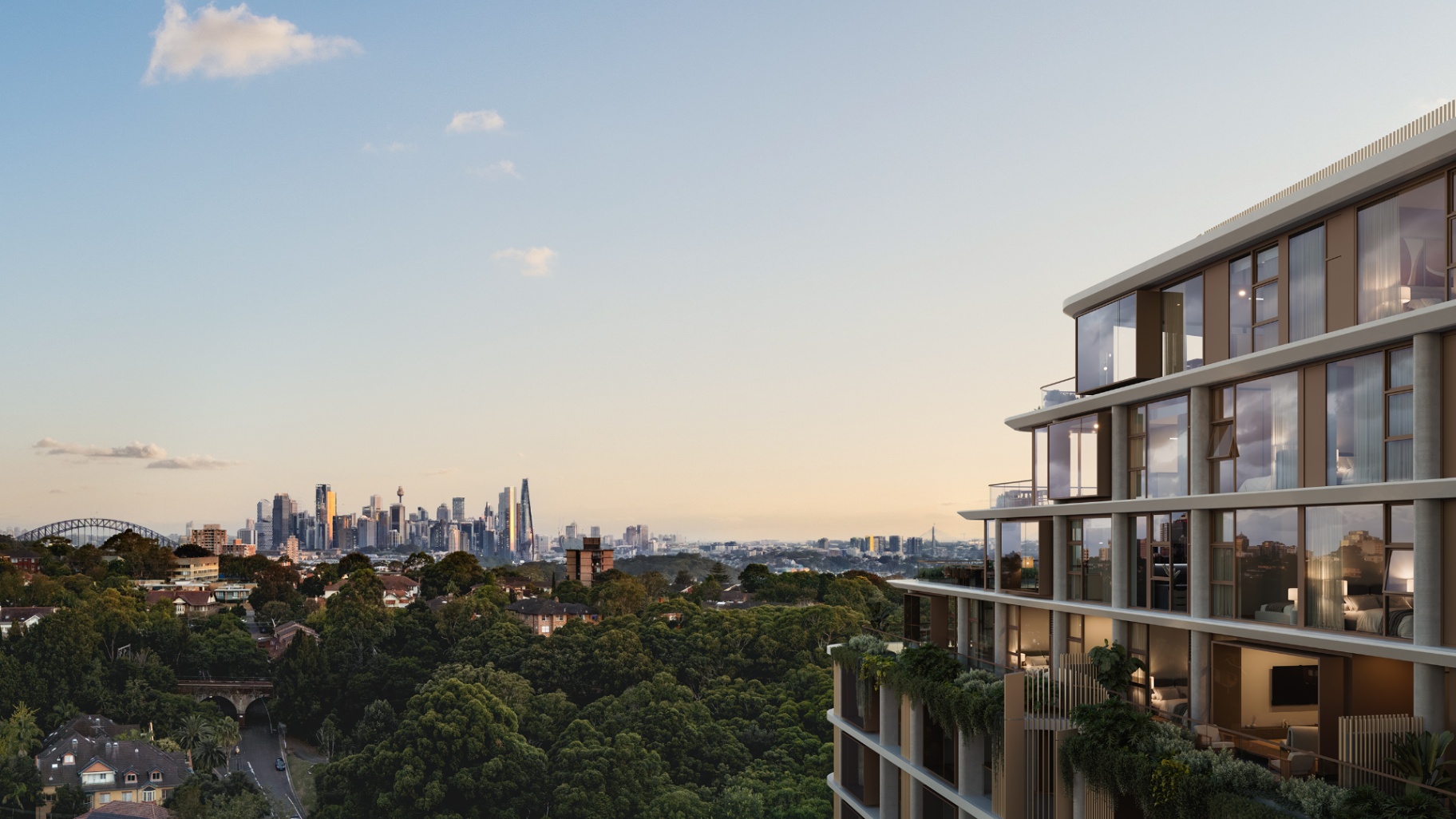 Coposit | Buy with $26K | Sydney Real Estate Market | Buy Property in St Leonards NSW
Waterstone | St Leonards NSW | $26K deposit | Secure with $26k and $544 x 60 weeks
There is a strategy worth knowing if you want to eventually become a property investor but want to access first home buyer benefits first.
Buy the property as owner-occupier. Live in it for 12 to 18 months. Then move out and rent it out. You have accessed the stamp duty exemption and LMI waiver as an owner-occupier, and you have converted the property into an investment with significantly less upfront cost than buying as an investor from day one.
It may not be your ideal address in the short term. But it gets you into the market with far less capital, and converts to an investment asset once you have built some equity and are ready to move on.
Always seek independent financial and legal advice before making property decisions based on your specific circumstances.
For buyers whose borrowing capacity puts them in the $400,000 to $750,000 range, off-the-plan properties through Coposit offer a way to act now with $10,000 upfront rather than waiting until a full deposit is saved.
The weekly instalment structure means the deposit builds progressively over the construction period, interest-free and fee-free, while the property is locked in at today's price.
Browse eligible developments across NSW, QLD, and WA on the Coposit projects page , download the Coposit app , or contact the team to understand which projects suit your borrowing capacity and timeline.
Share this article



Follow Coposit:


© 2025 Copyright Coposit.