

For many buyers, this is the question underneath all the other questions. Not how much is the property. Not how much can I borrow. But how much actual money do I need to have in hand, today, before I can sign a contract?
The answer is smaller than most buyers assume, and it is made up of more components than just the deposit.
One of the most common points of confusion in property buying is treating these three figures as if they are the same number or directly related. They are not.
Purchase price is what the property costs. It is the number on the listing.
Borrowing capacity is the maximum loan a lender will advance based on your income, existing debts, and living expenses. It determines what purchase prices you can finance, not what you need to have in cash today.
Cash required today is the amount you need to have available at the time of signing the contract. This is a much smaller number than the purchase price and is separate from your borrowing capacity.
Understanding this distinction changes how buyers approach the market. A buyer who earns $120,000 annually may have a borrowing capacity of $700,000. They do not need $700,000 in cash to buy a $700,000 property. They need the deposit and purchase costs in cash, with the remaining $625,000 or so borrowed from a lender at settlement.
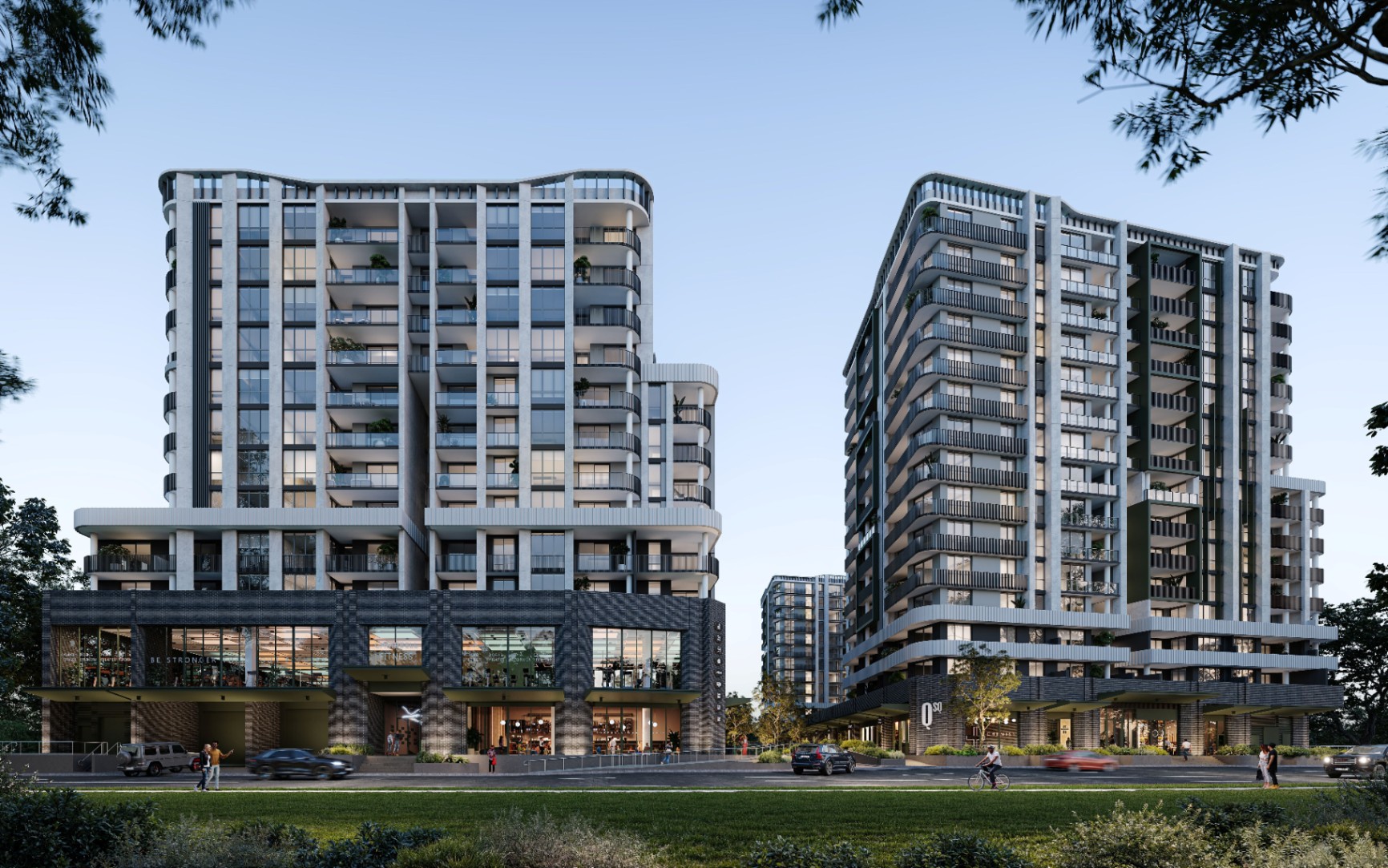 Coposit | Buy with $10K | Campbelltown Real Estate Market | Buy Property in NSW
Queen Square | Campbelltown NSW | $10K deposit | Secure with $10k and $305 x 156 weeks
The cash required at the time of signing a property contract depends on the purchase type and structure.
For an established property purchase, the full deposit, typically 10% of the purchase price, is due at exchange along with a small cooling off payment if one applies. For a $700,000 established property, this means $70,000 is needed at exchange.
For an off the plan purchase through the conventional model, the same 10% is due at exchange.
For an eligible off the plan purchase through Coposit, the upfront payment is required at exchange, starting from $10,000 on most participating projects. The remaining deposit is paid through weekly interest-free instalments during the construction period rather than at signing.
For a $700,000 Coposit project with a $10,000 upfront payment, the cash needed at signing is $10,000. Not $70,000.
The deposit at exchange is not the only cash required before and at settlement.
Stamp duty is due in most states, though timing varies. First home buyers in NSW purchasing new properties under $800,000 are exempt. Investors and buyers of established properties pay full stamp duty. In NSW, stamp duty on a $700,000 investment property is approximately $26,835. This needs to be budgeted for separately from the deposit.
Conveyancing fees are due around the time of settlement. For a standard residential purchase, these typically run between $1,500 and $2,500.
Building inspection costs for off the plan purchases run between $300 and $600 for a professional inspector at the pre-settlement stage.
Loan establishment costs vary by lender but can include application fees, valuation fees, and mortgage registration costs. Budgeting $500 to $1,000 for these covers most scenarios.
Moving and setup costs apply once the buyer takes possession. Removalists, initial furnishing needs, utility connections, and the general cost of establishing a new household add to the total cash required.
Emergency reserves should be maintained after all these costs are covered. Three to six months of living expenses as a buffer is the standard guidance from financial advisers.
Read What Costs Do You Need to Budget for Besides the Property Deposit for a complete breakdown of every cost category.
Coposit's deposit instalment model changes the cash required at signing dramatically for eligible off the plan purchases.
Instead of requiring the full 10% deposit at exchange, Coposit buyers commit to the upfront payment from $10,000. The remaining deposit builds through weekly payments during construction. At settlement, the home loan covers the balance of the purchase price.
For a buyer with $40,000 in savings, the conventional model requires $70,000 at exchange for a $700,000 property. The purchase is not accessible. Under the Coposit model, the same buyer can commit to the same property with $10,000 at exchange, manage the weekly instalments from their income during construction, and retain the remaining $30,000 of savings for stamp duty, settlement costs, and emergency reserves.
The total amount the buyer ultimately pays is the same. The amount needed today is materially different.
Before starting a property search, buyers who know their borrowing capacity and their current savings position can calculate specifically what purchase price and what deposit structure works for their current cash position.
This calculation tells you which projects you can commit to today rather than which properties are theoretically affordable if you had more money. It makes the search more focused and the decision more grounded in reality.
Read What Does Secure From $10K Upfront Actually Mean for a complete explanation of what the upfront payment covers in a Coposit purchase.
Read Is It Better to Pay a Bigger Property Deposit Upfront for a complete analysis of when larger upfront deposits help and when retaining liquidity matters more.
Browse current listings on the Coposit projects page, download the Coposit app, or contact the Coposit team to understand the cash required for specific projects.
This article is general information only and does not constitute financial advice. Always seek independent financial advice before making any property decisions.
Share this article



Follow Coposit:


© 2025 Copyright Coposit.

