

One of the more common financial stresses after buying a first home is not related to the mortgage repayments themselves but to the other costs that follow settlement. The roof needs attention. The hot water system fails. The strata levies increase. A car requires major repairs at the same time as a large council rates bill. For buyers who stretched to their maximum borrowing capacity and arrived at settlement with minimal savings, these events create genuine financial pressure that affects far more than the household budget.
Maintaining a financial buffer after purchase is not a novel concept, but the question of how much is enough is worth thinking through carefully. The right answer depends on factors specific to each buyer's situation, but the patterns that lead to post-purchase financial stress are consistent enough to offer useful guidance.
The Australian first home buyer experience is dominated by the challenge of saving the deposit. The deposit is the visible, quantified goal that shapes years of saving behaviour. Lender's mortgage insurance thresholds, first home buyer scheme requirements, and parental conversations about property all reinforce the deposit as the primary financial milestone.
The buffer question receives far less attention. Many buyers arrive at settlement with their deposit, the costs of purchase (stamp duty where applicable, legal fees, loan establishment costs, and inspection costs), and not much else. The focus on the entry cost does not naturally produce thinking about the ongoing cost structure and what reserve is needed to manage it.
The result is a category of financial stress that is distinct from mortgage stress, though it can produce it. Buyers who could comfortably service their mortgage under normal conditions find their buffer depleted by a sequence of costs they did not anticipate in sufficient detail, and face a period of financial strain that affects both wellbeing and the ability to maintain the property properly.
 Coposit | Buy with $10K | Brisbane Real Estate Market | Buy Property in QLD
Laya Residences | Taigum QLD | $10K deposit | Secure with $10k and $4,543 x 33 weeks
The buffer after purchase needs to be sized to cover several categories of cost that are easy to underestimate before you are living with them.
Immediate post-settlement costs. Moving costs, connections, any immediate repairs or adjustments needed to make the property functional, appliances that do not transfer, and the cost of setting up a new household all arrive at once. Buyers who have lived in furnished rentals or at home with parents often underestimate these costs significantly.
Ongoing property maintenance. Maintenance costs for houses typically run at a percentage of the property's value annually, with estimates ranging from 1% to 3% depending on the property's age and condition. For a $700,000 property, that is $7,000 to $21,000 per year in a normalised sense, though costs arrive unevenly. Older properties with deferred maintenance carry higher initial burdens. New properties, including off-the-plan purchases, typically carry structural warranties and builder defect periods that significantly reduce early maintenance costs.
Unexpected cost events. A hot water system replacement, a plumbing issue, a fence that needs rebuilding after a storm, or a strata special levy for unexpected common property work can each cost several thousand dollars and rarely arrive with advance notice. The buffer needs to be sized to absorb at least one or two of these without creating financial crisis.
Income interruption. Job changes, illness, parental leave, or a career transition can all interrupt the income that services the mortgage. A buffer that can cover three to six months of mortgage repayments provides meaningful protection against these scenarios without requiring an immediate sale or urgent refinancing.
 Coposit | Buy with $10K | Chatswood Real Estate Market | Buy Property in NSW
Celine | Chatswood NSW | $10K deposit | Secure with $10k and $658 x 152 weeks
A commonly cited minimum buffer recommendation from financial planners in the Australian market is three months of total household expenses, including mortgage repayments, as a starting floor. For first home buyers with a property that may carry maintenance requirements, a buffer in the range of $20,000 to $30,000 above that floor is frequently recommended as a more realistic position for managing property-specific costs.
For buyers purchasing off-the-plan properties with structural warranties and new appliances, the property-specific maintenance risk in the early years is lower, which can allow for a somewhat smaller property maintenance reserve. The income interruption and unexpected cost event components of the buffer remain relevant regardless of property type.
The key principle is that the buffer should be held as genuinely accessible savings, not locked into a fixed term deposit with break costs, not part of an investment portfolio subject to market movements, and not in a form that creates friction or cost to access quickly. An offset account attached to the mortgage is a common and effective structure because it reduces the interest cost of holding the buffer while keeping it immediately accessible.
Offset Accounts vs Redraw Facilities: What Is the Difference? covers how to hold a buffer in a structure that works against the mortgage while remaining genuinely liquid.
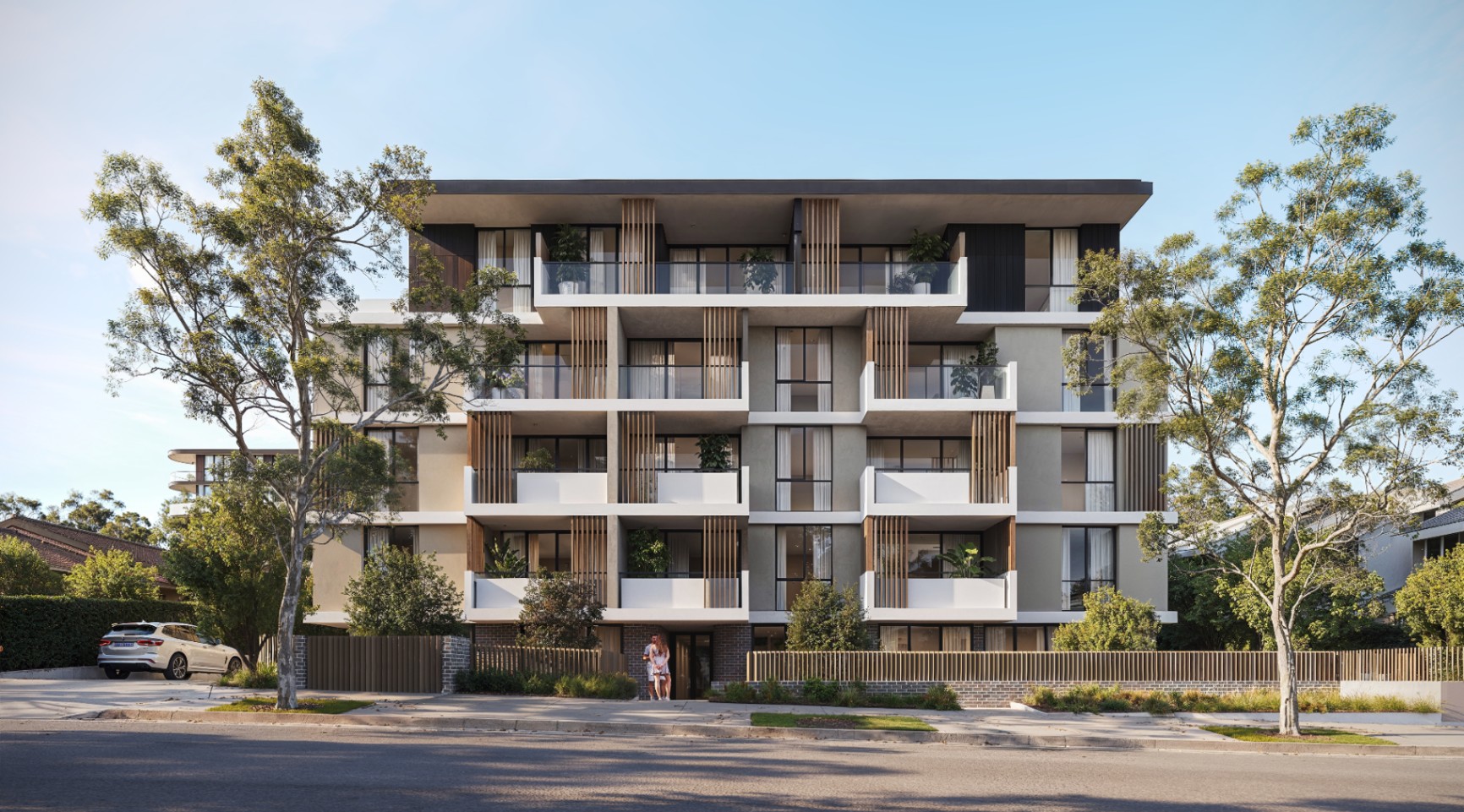 Coposit | Buy with $10K | Heathcote Real Estate Market | Buy Property in NSW
Strickland House | Heathcote NSW | $10K deposit | Secure with $10k and $254 x 140 weeks
The most effective time to plan the buffer is before the purchase rather than after. This means factoring the buffer into the savings target from the beginning: not just the deposit and purchase costs, but the reserve needed to arrive at settlement in a financially sound position.
For buyers who find that including a proper buffer puts the target out of reach in the short term, two responses are worth considering. The first is an honest assessment of whether the purchase timeline is realistic or whether more time to save is genuinely needed. The second is whether there are structures that reduce the upfront capital required, leaving more capacity to build the buffer.
Coposit's model allows eligible buyers to secure an off-the-plan property with $10,000 upfront and build the deposit through weekly instalments during the construction period. This structure can allow buyers to arrive at settlement with a more complete financial position, including a proper buffer, rather than depleting all available savings to meet the deposit at a fixed point in time. Explore current projects, download the Coposit app, or speak with the team about how the model works.
Share this article



Follow Coposit:


© 2025 Copyright Coposit.

