

When Australians ask, "How much money do I need to buy a property?", they're usually thinking about one number.
The deposit.
It makes sense. The deposit is the figure everyone talks about.
Save 10%.
Or 20%.
Or maybe 5% if you're eligible for a government scheme.
But the deposit is only one part of the picture.
Many buyers discover too late that there are several other costs between finding a property and collecting the keys. Some are unavoidable. Others depend on the type of property you're buying, where you're buying it, and whether you're a first home buyer.
Understanding the full cost before you start searching helps you avoid surprises and gives you a much clearer savings target.
The deposit is your upfront contribution towards the purchase price.
Traditionally, buyers have aimed for a 20% deposit to avoid paying Lenders Mortgage Insurance (LMI). But that isn't the only pathway anymore.
Depending on your circumstances, you may be able to buy with:
For example:
Purchase Price | 5% | 10% | 20% |
$700,000 | $35,000 | $70,000 | $140,000 |
$900,000 | $45,000 | $90,000 | $180,000 |
$1,000,000 | $50,000 | $100,000 | $200,000 |
The deposit is usually the biggest hurdle, but it isn't the only one.
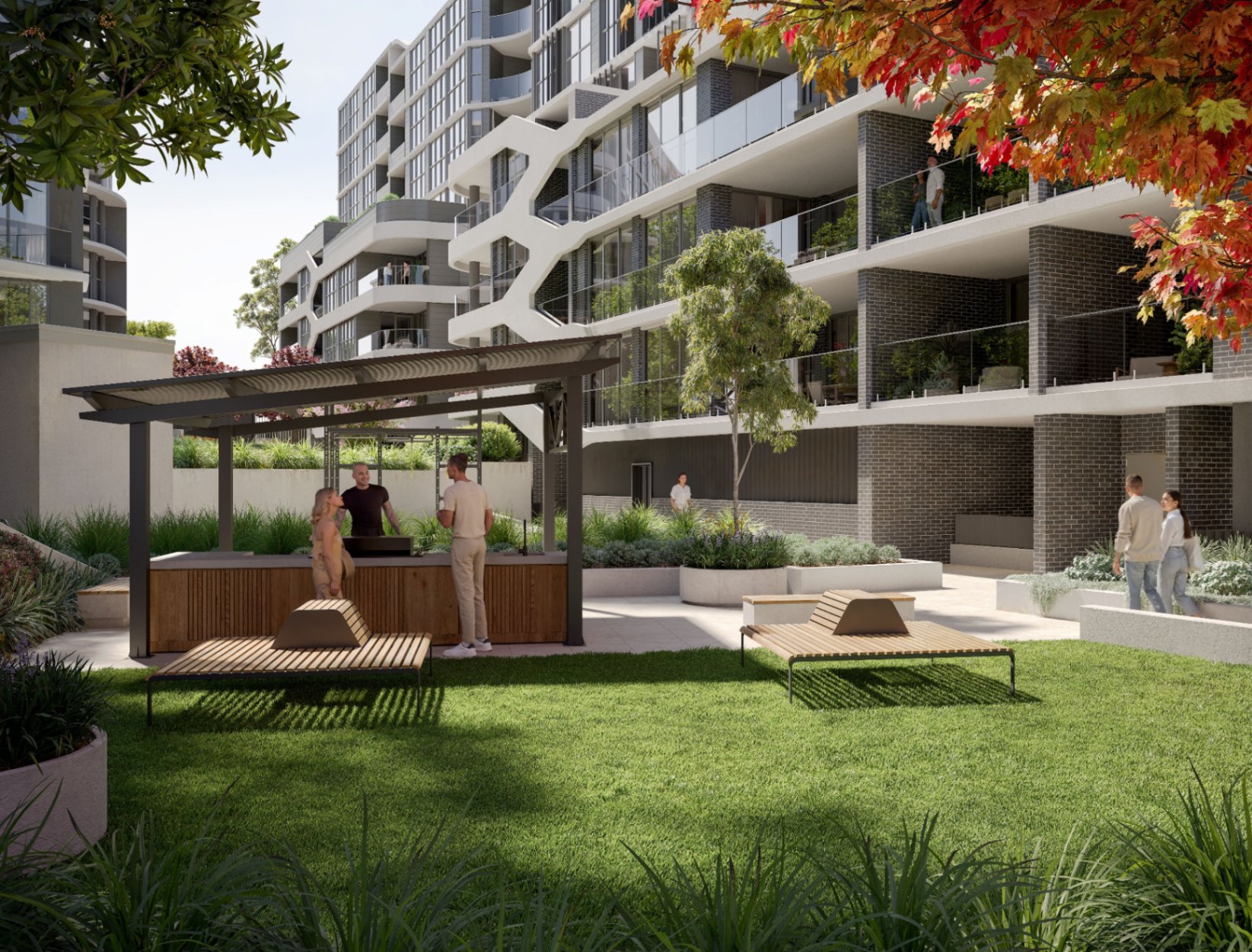 Coposit | Buy with $10K | Sydney Real Estate Market | Buy Property in Castle Hill NSW
Avenue | By Masscon in Castle Hill NSW | $10K deposit | Secure with $10k and $723 x 90 weeks
Stamp duty is often the second-largest upfront cost.
The amount depends on:
In NSW, Victoria and Queensland, many first home buyers receive full or partial exemptions depending on the purchase price.
For everyone else, stamp duty can easily add tens of thousands of dollars to the purchase.
It's worth checking your state's current concessions before assuming you'll need to pay the full amount.
Every property purchase requires legal work.
Whether you use a solicitor or conveyancer, they'll help with:
While relatively small compared to the purchase price, these costs still need to be included in your budget.
If you're buying an established property, inspections are usually money well spent.
A building inspection may identify:
A pest inspection can identify termite activity or damage before settlement.
Spending a small amount upfront can potentially save tens of thousands later.
For many off-the-plan purchases, building and pest inspections before purchase aren't applicable because the property hasn't been completed yet. Instead, buyers typically receive new home warranties and complete defect inspections before settlement.
 Coposit | Buy with $10K | Sydney Real Estate Market | Buy Property in Concord West NSW
Depending on your lender, you may also encounter:
Many lenders now waive some establishment costs, but not all.
Your mortgage broker can usually provide a full estimate before you apply.
Moving into a new home costs more than most buyers expect.
Think about:
These costs are often overlooked because they happen after settlement, but they still affect your overall budget.
One of the most common mistakes buyers make is spending every dollar available on the purchase itself.
Owning a home comes with unexpected expenses.
The hot water system fails.
The washing machine breaks.
Interest rates move.
Life happens.
Having a financial buffer after settlement gives you breathing room during your first year of ownership.
Many mortgage brokers recommend keeping several months' worth of living expenses available after completing the purchase.
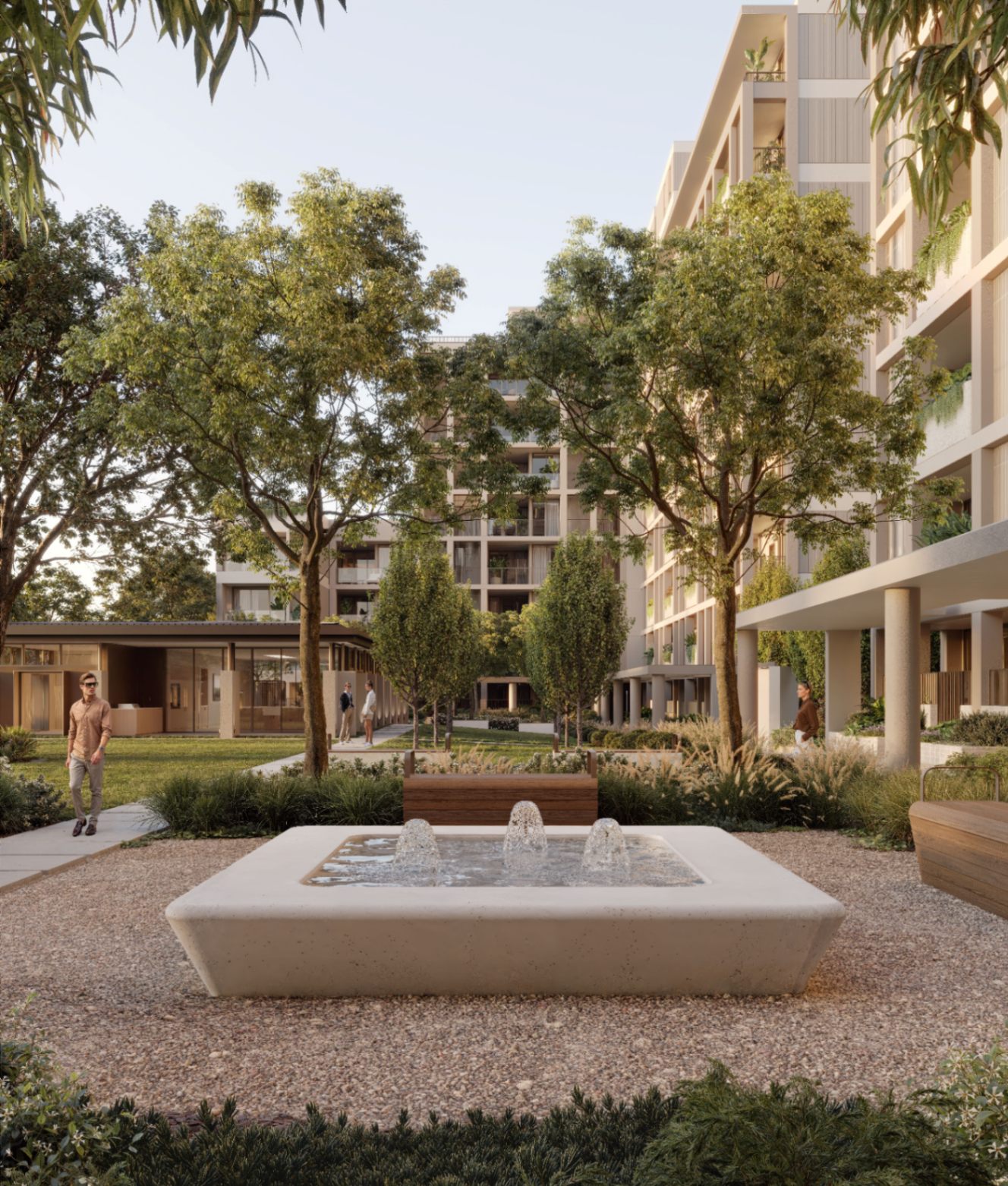 Coposit | Buy with $19K | Sydney Real Estate Market | Buy Property in NSW
Zeste | By Sekisui House in Norwest NSW | $10K deposit | Secure with $19k and $182 x 104 weeks
Before you start inspecting properties, ask yourself whether you've budgeted for:
Buying property isn't just about reaching one savings figure.
It's about understanding the complete financial picture so you can move forward with confidence.
If you're planning your first purchase, explore the Coposit Projects page, download the Coposit app, or read our guides on off-the-plan buying, government grants, and deposit strategies to better understand what your property budget could look like.
For many Australians, it isn't the mortgage that feels impossible.
It's getting to the starting line.
Rental increases, higher living costs, and everyday expenses mean the deposit often takes far longer to save than buyers originally expected.
That's why many buyers are exploring different pathways into home ownership rather than relying on the traditional "save first, buy later" model.
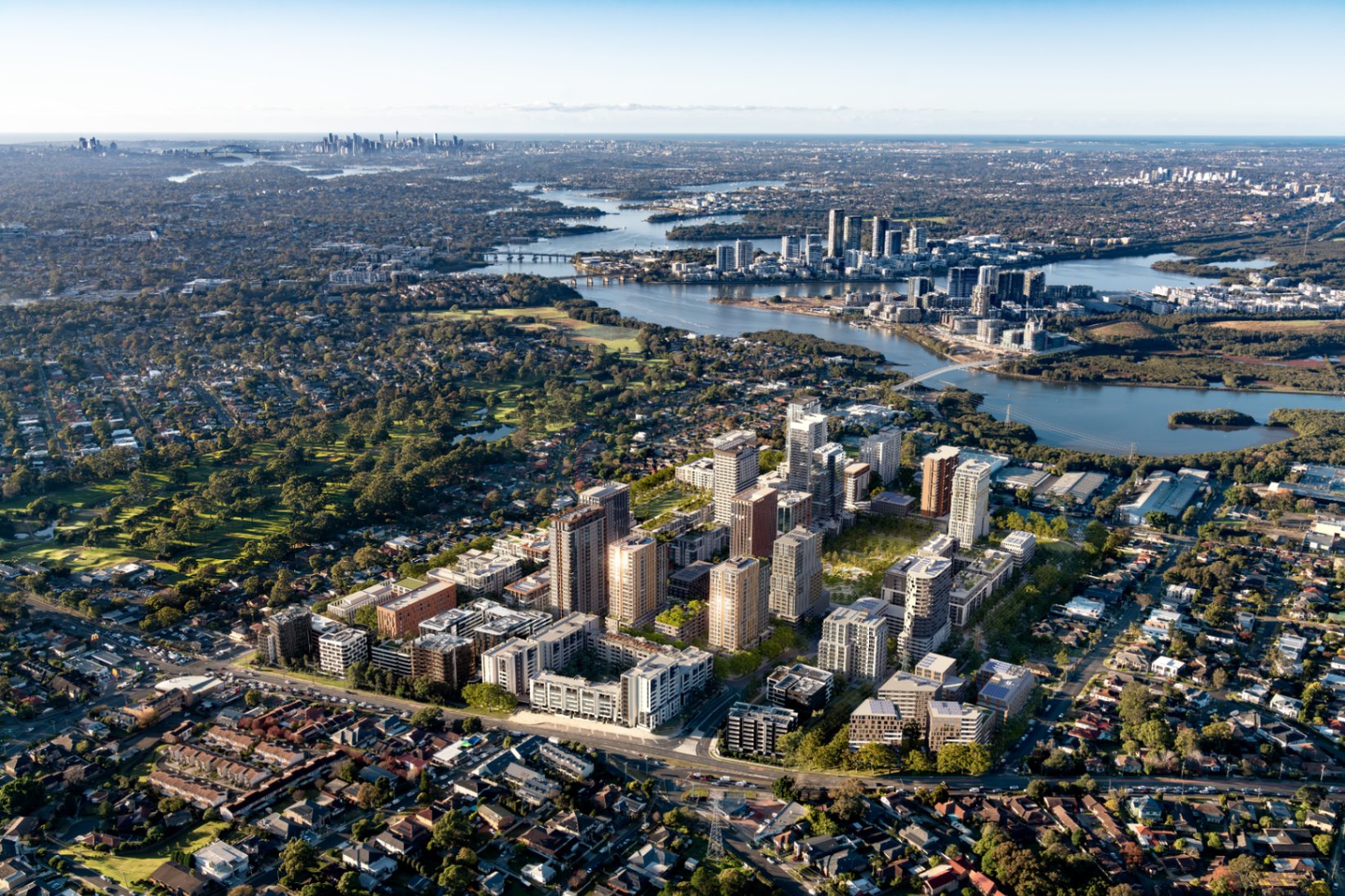 Coposit | Buy with $10K | Sydney Real Estate Market | Buy Off the Plan Property in Melrose Park NSW
Aeris | By Sekisui house in Melrose Park NSW | $10K deposit | Secure with $18k and $184 x 100 weeks
While costs like stamp duty, legal fees and settlement expenses remain part of buying property, Coposit approaches one of the biggest barriers differently.
Many eligible off-the-plan properties can be secured with an initial payment from $10,000, while others may require a higher upfront amount depending on the development. Rather than paying the full deposit upfront, eligible buyers then pay the remaining deposit through weekly interest-free instalments during construction.
For buyers balancing rent, everyday expenses and saving for a home, this can make the path to home ownership more manageable without changing the purchase price itself.
It also gives buyers more time to prepare for settlement and plan for the additional costs that come with buying property.
Browse current projects to explore eligible properties available through Coposit, download the Coposit app to calculate your weekly payments and track your journey, or contact the Coposit team to learn more about how the platform works and which properties may suit your circumstances.
Even with flexible deposit structures, many Australians aren't ready to buy today.
They're still renting. They're still saving. And for many, rising rents make that savings goal feel like it's moving further away each year.
That's exactly the problem Unrent by Coposit is designed to address.
Rather than treating renting and home ownership as two completely separate journeys, Unrent introduces a new pathway where eligible participants can move into a participating home and make weekly payments that contribute towards the deposit needed to eventually purchase that same property.
It isn't a traditional rent-to-own model. Legal ownership transfers only when the purchase is completed. But it does rethink one of the biggest frustrations facing renters today: paying rent while feeling like you're making no progress towards owning a home.
If you're still building towards your first deposit, joining the Unrent waiting list may be worth exploring alongside more traditional buying pathways.
Share this article



Follow Coposit:


© 2025 Copyright Coposit.