

The apartment stock being delivered in Australian cities has changed significantly over the past decade. The critique that defined the conversation about Australian apartments through the 2010s, poor natural light, inadequate ventilation, cramped floor plans, low-quality finishes, and buildings that treated residents as revenue sources rather than people, is less accurate for the better projects being delivered today.
This is not universal. There are still poorly designed apartments being built and sold in Australian cities. But the direction of change is clear, and understanding what is driving the improvement helps buyers identify the projects that reflect genuine design progress from those that use the language of good design without delivering it.
 Coposit | Buy with $10K | Sydney Real Estate Market | Buy Property in NSW
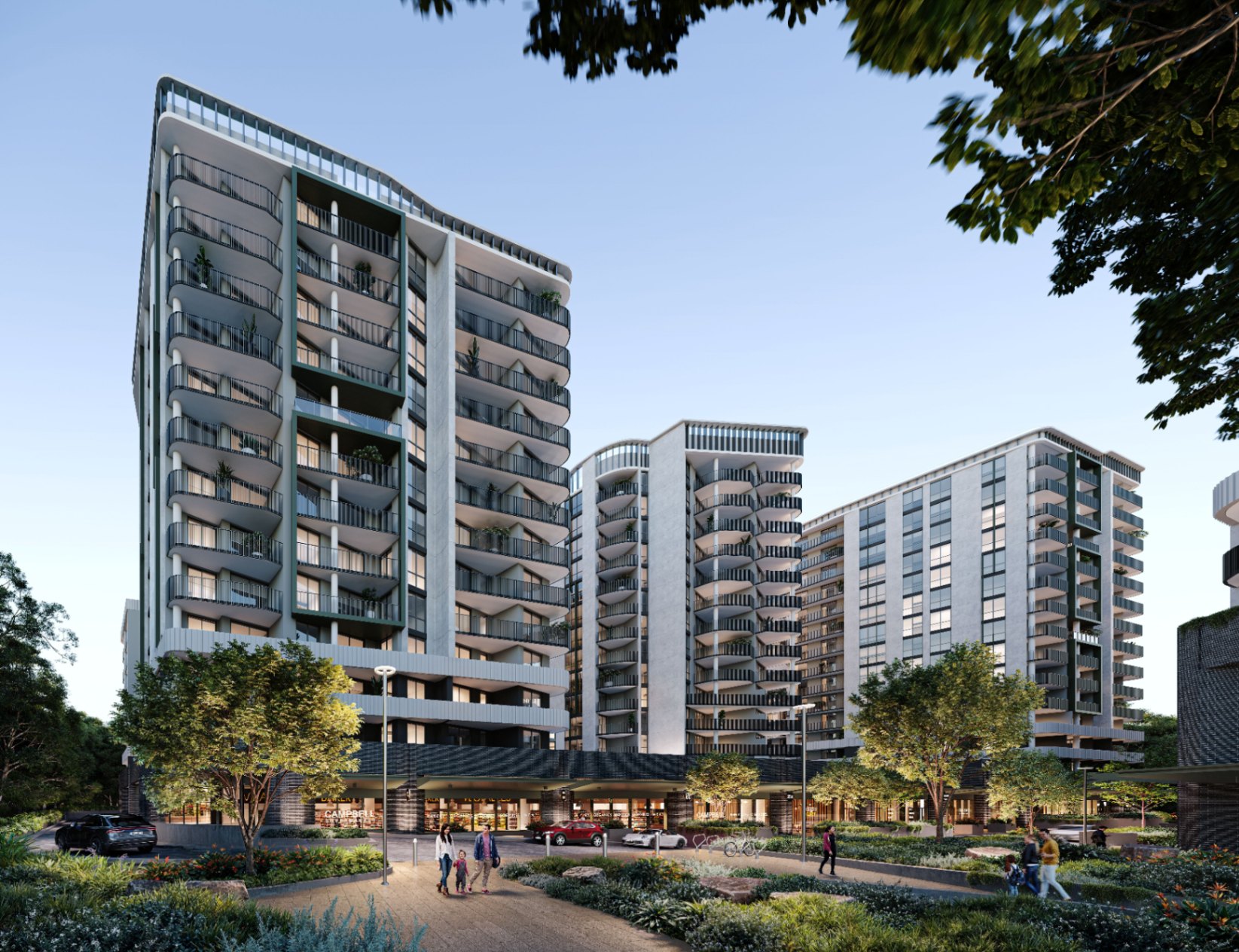
Queen Square | Campbelltown NSW | $10K deposit | Secure with $10k and $307 x 155 weeks
Understanding why Australian apartments were often poorly designed requires understanding the incentive structures that produced them.
Off the plan apartment development has historically been driven by investor demand more than owner-occupier demand. Investors purchasing apartments as financial products rather than as homes created a market where the product only needed to be good enough to attract a tenant at an acceptable yield. It did not need to be a genuinely pleasant place to live, because the purchaser was not going to live in it.
This dynamic suppressed the quality threshold. Developers who kept floor plans minimal, finishes standardised, and natural light considerations secondary to site coverage maximisation could produce apartments that sold to investors at price points that worked for the financial model, without needing to produce buildings that genuinely served the people who would eventually live in them.
As owner-occupier demand in apartment markets has grown, particularly in inner-city locations where detached housing is effectively unaffordable for most first home buyers, the quality threshold has risen. Buyers who intend to live in the apartment they purchase apply different standards than investors purchasing at arm's length, and developers have responded to this shift in demand.
The most fundamental improvement in Australian apartment design over the past decade is the increasing attention to natural light and natural ventilation as design priorities rather than afterthoughts.
North-facing living areas, cross-flow ventilation enabled by windows on multiple facades, and higher floor-to-ceiling heights that allow light to penetrate deeper into floor plates are all features that better-designed new apartments consistently deliver.
NatHERS star ratings, which measure the energy efficiency of a building's thermal performance, have become a meaningful differentiator in the market. A project like Avenue at Castle Hill, with its minimum 6.5-star NatHERS rating and passive design features including rooftop solar, represents the type of environmental performance standard that better new apartment buildings are now achieving. Higher star ratings typically reflect better natural light and ventilation performance, not just insulation.
 Coposit | Buy with $10K | Sydney Real Estate Market | Buy Property in NSW
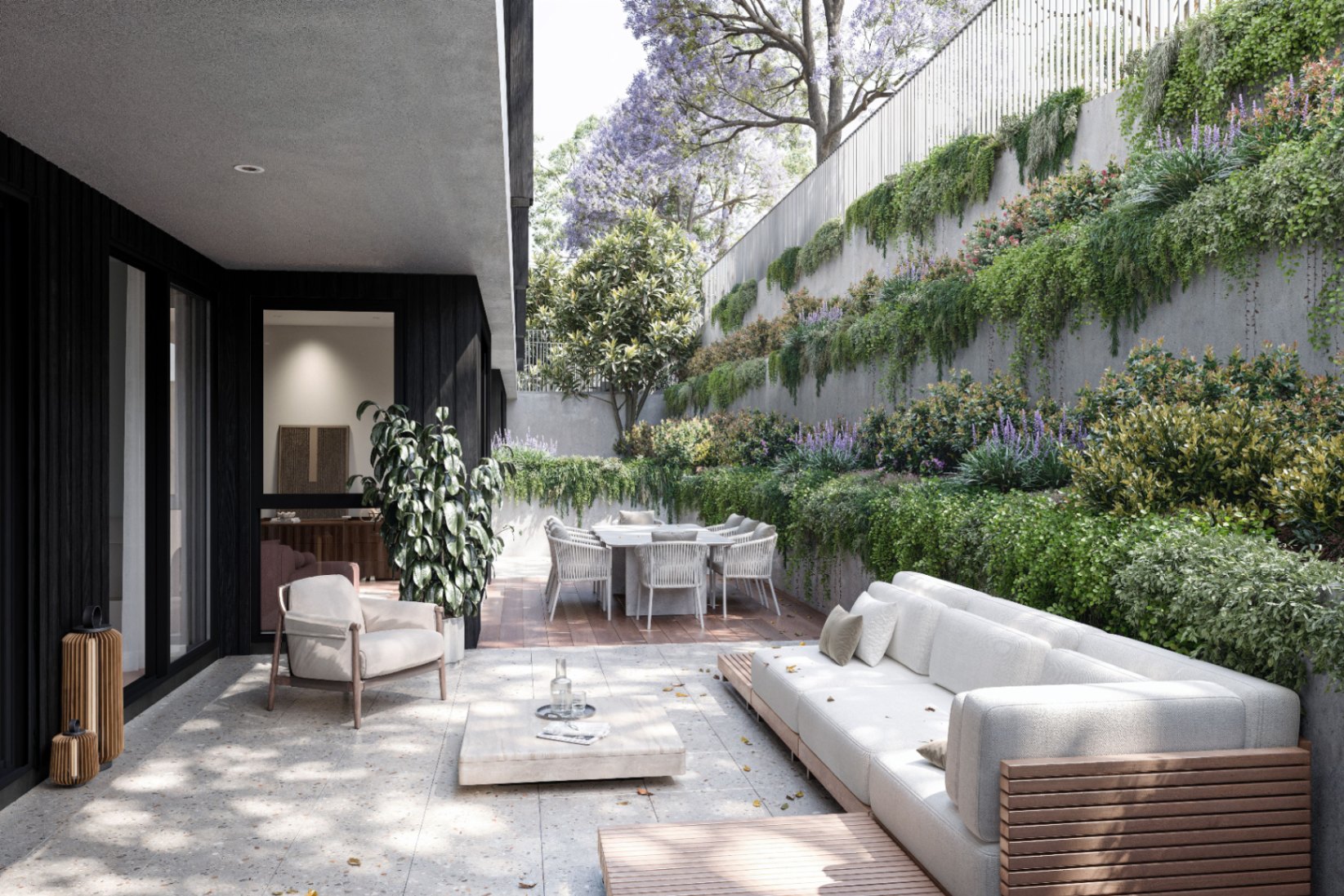
Boronia | Roseville NSW | $10K deposit | Secure with $10k and $1,072 x 139 weeks
Floor plan design has evolved away from the minimum-dimension approach that characterised much of the apartment development of the 2010s.
Genuinely usable bedrooms, rooms with enough floor area to accommodate a bed, bedside tables, a wardrobe, and clearance for circulation, are a standard that better new projects are meeting rather than compromising on. Kitchen design has moved toward layouts that provide sightlines to the living area rather than isolating the cook behind a wall. Balcony depths have increased in better projects to the point where they function as genuine outdoor living space rather than decorative ledges.
The integrated storage that owner-occupiers consistently identify as a priority, wardrobes with adequate depth, linen storage, kitchen pantries, and general household storage, is being built into floor plans rather than left as an afterthought.
The quality of materials and finishes in new Australian apartments has generally improved at the better end of the market. The shift from developer-grade materials that degrade quickly to residential-quality finishes that age well and maintain their appearance reflects the owner-occupier demand driving better projects.
Stone benchtops, engineered timber or high-quality porcelain tile flooring, tapware from reputable brands, and quality appliances from established manufacturers are standard inclusions in better new apartment projects rather than upgrades.
For buyers, understanding the finishes schedule before exchange and verifying that what was specified was actually delivered at the pre-settlement inspection are the practical mechanisms for holding developers to the quality standards they commit to.
 Coposit | Buy with $10K | Gold Coast Real Estate Market | Buy Property in QLD
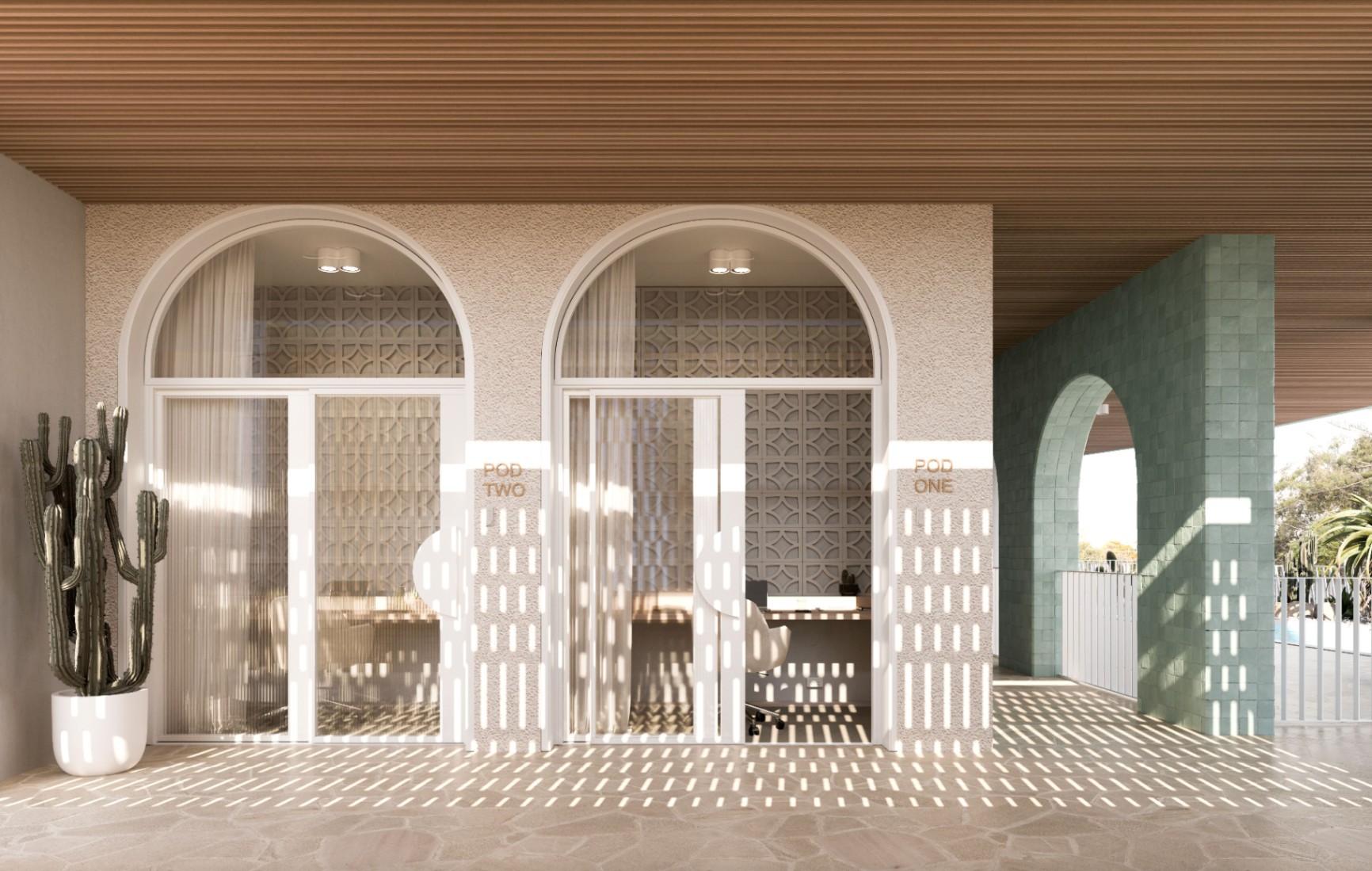
Onde | Kirra | Coolangatta QLD | $10K deposit | Secure with $10k and $1,729 x 46 weeks
The design of communal spaces in new apartment buildings has also evolved. The gym and pool that featured in apartment marketing through the 2000s as generic amenity checkboxes are being replaced in better projects with more considered communal programming.
Wellness facilities with Pilates equipment and dedicated wellness programming, roof gardens designed for genuine use rather than photography, co-working spaces that reflect the actual working patterns of residents, and curated landscaping that creates genuine green amenity rather than token planting are all features of better new apartment buildings that reflect a more thoughtful understanding of how residents actually live.
Read What Should You Look for in an Off the Plan Floor Plan for a complete guide to assessing apartment design quality before exchange.
Browse current Coposit listings on the projects page, download the Coposit app, or contact the Coposit team to discuss the design quality of specific projects.
This article is general information only and does not constitute financial advice. Always seek independent financial advice before making any property decisions.
Share this article



Follow Coposit:


© 2025 Copyright Coposit.

