

The first home has always carried a weight of expectation beyond what it needs to deliver as a place to live. But the nature of those expectations has shifted meaningfully in the era of property content on social media platforms. What Australians expect from a first home, what counts as acceptable and what feels like settling, is increasingly shaped by a feed of curated spaces that bear a complicated relationship to how most people actually live.
Understanding how social media shapes property expectations is not an argument against having standards or against buying a home you love. It is a practical tool for buyers trying to separate what they genuinely value from what they have absorbed from a stream of images designed to perform a lifestyle, not describe one.
Property content is one of the most consistently popular categories on Instagram, TikTok, Pinterest, and YouTube in the Australian market. Interior design accounts, renovation journeys, new build tours, and first home buyer content collectively generate enormous volumes of engagement. The common thread across almost all of it is selectivity.
What appears in property content is chosen for visual impact. It is shot with good light, staged to remove clutter, edited to enhance colour and contrast, and captioned to frame the space in its best possible terms. The content that performs well is content that presents an aspirational version of domestic space, not a representative one.
The cumulative effect of consuming significant volumes of this content is a recalibration of what normal looks and feels like. A kitchen that would have felt generous a decade ago can start to feel inadequate relative to the stone benchtops and integrated appliances that appear repeatedly in the feed. A new apartment that meets every practical need can feel somehow insufficient when compared with the styling that characterises property content.
This is not a new phenomenon. Home design magazines, television renovation programs, and display home marketing have always traded in aspirational domestic imagery. Social media has changed the scale and frequency of exposure, the interactivity of the format, and the degree to which the content is generated by individuals rather than publications, which makes it feel more like social proof than advertising.
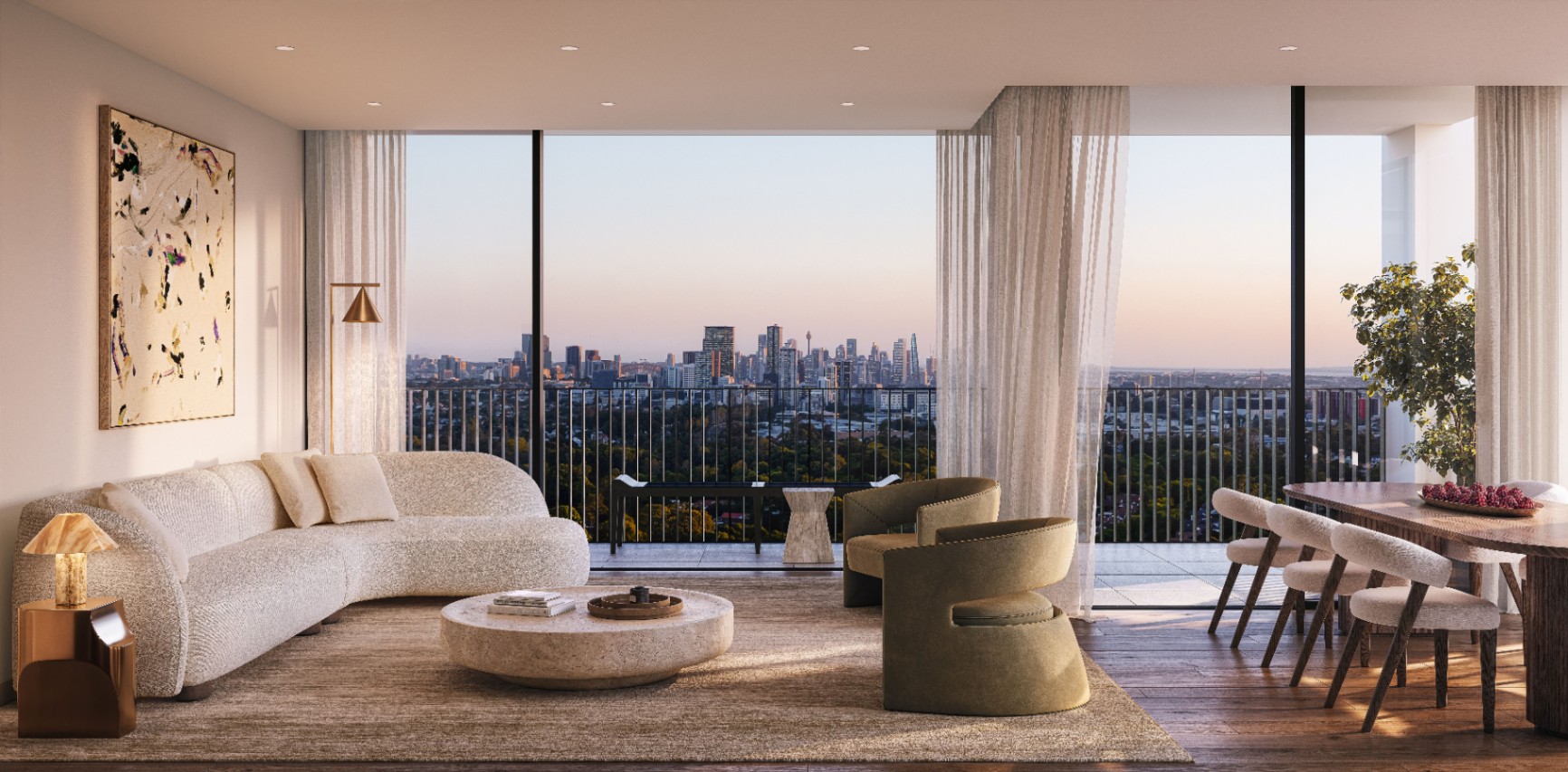 Coposit | Buy with $10K | Chatswood Real Estate Market | Buy Property in NSW
Celine | Chatswood NSW | $10K deposit | Secure with $10k and $658 x 152 weeks
Premium finishes as a baseline. Stone benchtops, floor-to-ceiling tiles, integrated appliances, and engineered timber floors appear so consistently in aspirational property content that they can start to feel like the standard rather than a premium tier. For first home buyers with a realistic budget, this can create a persistent sense that an achievable property is falling short, even when it represents genuine quality and value.
Maximalist size expectations. Social media property content skews heavily toward larger spaces because larger spaces photograph better and allow for more styling. The 90 square metre apartment that works perfectly for a couple rarely generates the same engagement as a 250 square metre home with a gallery-style kitchen. First home buyers absorbing primarily the latter category can develop a distorted sense of what a successful first home purchase looks like.
The renovation aspiration. A significant genre of property social media content is the renovation journey, where buyers purchase a dated property and document the transformation. This content is engaging, instructive, and sometimes genuinely inspiring. It can also create an expectation that renovation is a straightforward or reliably profitable path, when in practice it is expensive, time-consuming, and stressful in ways that rarely appear in the final reveal post.
Stylistic homogeneity. Property content on social platforms tends toward certain dominant aesthetics because those aesthetics perform well in the format. The result is that buyers arrive at inspections with a strong visual sense of what a desirable home looks like in a way that is partly a reflection of what has been algorithmically surfaced to them, rather than purely a reflection of their own preferences. Some buyers then struggle to see the genuine appeal of properties that work well but do not match the dominant aesthetic of their feed.
The Property Features Buyers Think They Need vs What They Actually Use covers how aspirational thinking more broadly creates a gap between desired features and actual use in property decisions.
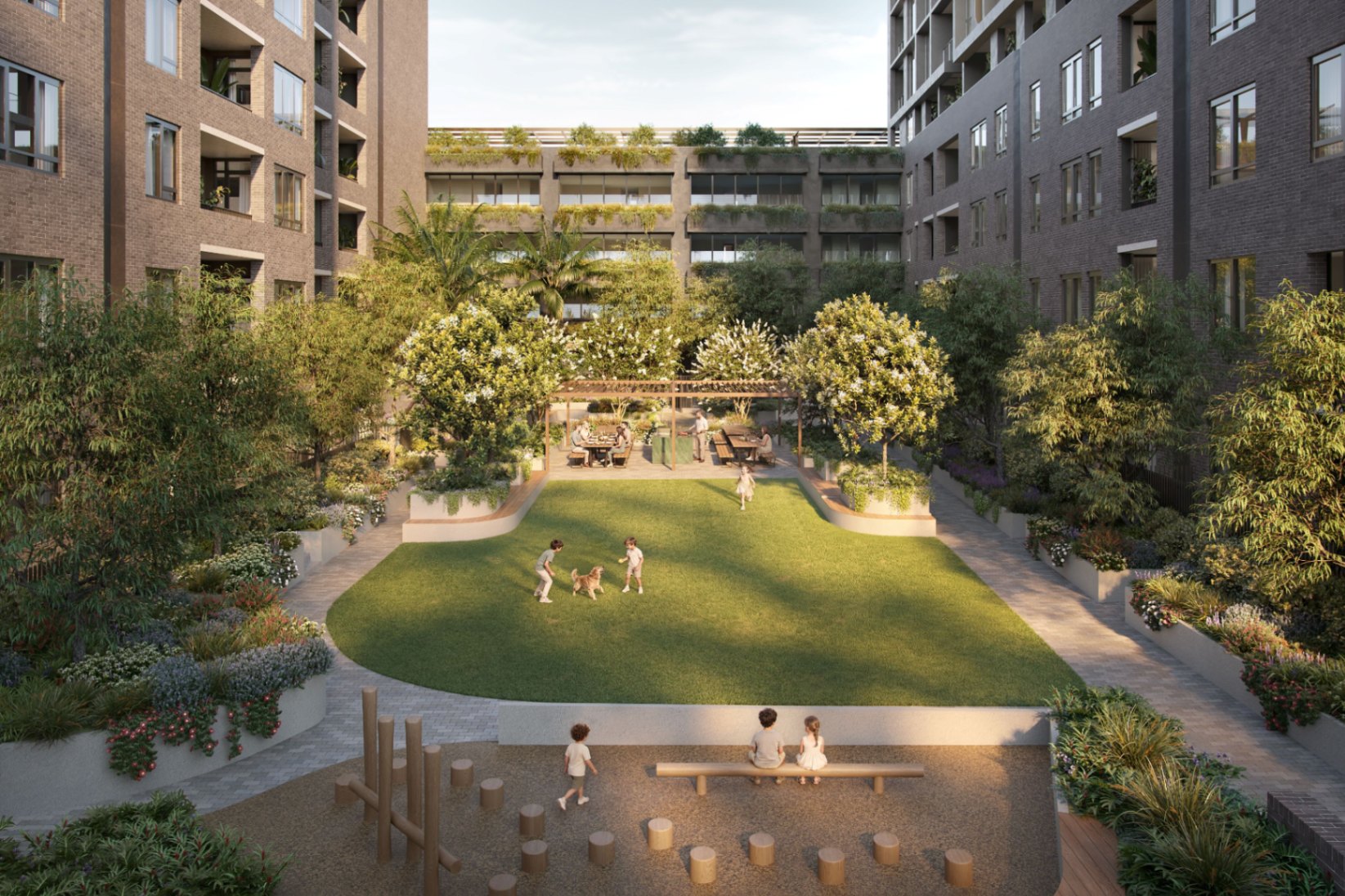 Coposit | Buy with $18K | Sydney Real Estate Market | Buy Property in NSW
Aeris | Melrose Park NSW | $18K deposit | Secure with $18k and $246 x 79 weeks
The practical issue is not that social media makes first home buyers want attractive things. It is that it can make the gap between an achievable first home and an idealised home feel larger than it is, in ways that delay purchasing or generate dissatisfaction with purchases that are genuinely good.
Delayed purchasing is a real cost. A first home buyer who waits for a property that matches the aesthetic standard of curated content, in a market where prices in desirable locations have historically grown over time, may end up with a genuinely worse financial outcome than one who bought an imperfect but solid property at the right time.
There is also the question of what happens after the purchase. Post-purchase satisfaction research consistently finds that buyers adapt to their homes and find genuine contentment in spaces that looked underwhelming in photographs. The lived experience of a home with good light, good storage, and a good location outpaces the visual presentation of a styled interior over time. The camera does not capture the feeling of a space in the same way that living in it does.
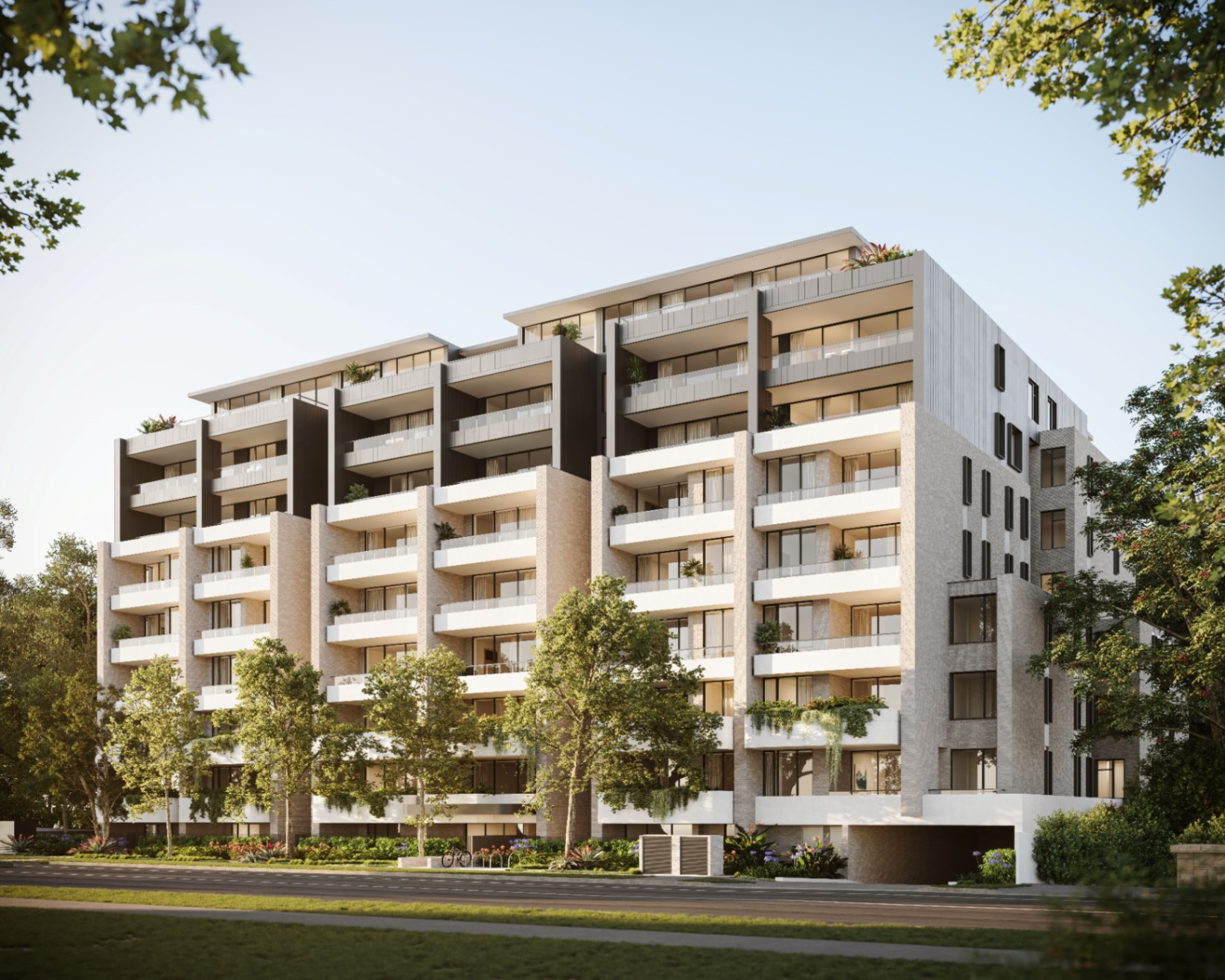 Coposit | Buy with $10K | St Ives Real Estate Market | Buy Property in NSW
The Cowan | St Ives NSW | $10K deposit | Secure with $10k and $1,750 x 100 weeks
A few habits help counteract the distortions that social media property content can create.
Being specific about what a feature actually does for your life is more useful than reacting to how something looks. A stone benchtop that photographs well does the same job as a laminate benchtop. What matters is the layout of the kitchen, the amount of storage, and how the space works for how you actually cook.
Visiting a wide range of properties, including ones outside the price range you are targeting, helps recalibrate expectations. Seeing how the properties you can actually afford compare to each other, rather than comparing them to social media content, gives a more accurate picture of value.
Understanding that a first home is typically the beginning of a property journey rather than the destination helps. Most buyers renovate, upgrade, or sell within a decade. The right question is not whether this property matches an ideal, but whether it is a sound first step in a market you want to be in.
Coposit's off-the-plan model lets first home buyers secure a brand new property with $10,000 upfront while building the deposit progressively. Brand new properties are built to current standards and deliver the finishes first home buyers value without the premium of an established home in the same location. See what is available, get the Coposit app, or reach out to the team.
Share this article



Follow Coposit:


© 2025 Copyright Coposit.

