

The relationship between where Australians work and where they choose to live has been disrupted more profoundly in the past five years than at any point since the mass suburbanisation of the post-war period. The five-day CBD commute that organised Australian residential geography for decades is no longer the universal experience, and the property decisions being made in its absence look meaningfully different from those made in the era when proximity to a CBD office was the primary constraint on location choice.
The initial shift to remote work during the COVID-19 pandemic was followed by a partial return to office environments rather than a full reversion to pre-pandemic patterns. By 2026, the dominant working arrangement for knowledge workers in Australian cities is a hybrid model: two to three days per week in a central office, with the remainder working from home or from distributed work locations.
This hybrid model is not a compromise between the old arrangement and full remote work. It is a genuinely new working pattern with its own spatial logic that is different from both the five-day CBD commute and the fully remote arrangement.
The spatial logic of hybrid work changes the location calculus for housing decisions in several important ways that are now showing up clearly in property demand and pricing data.
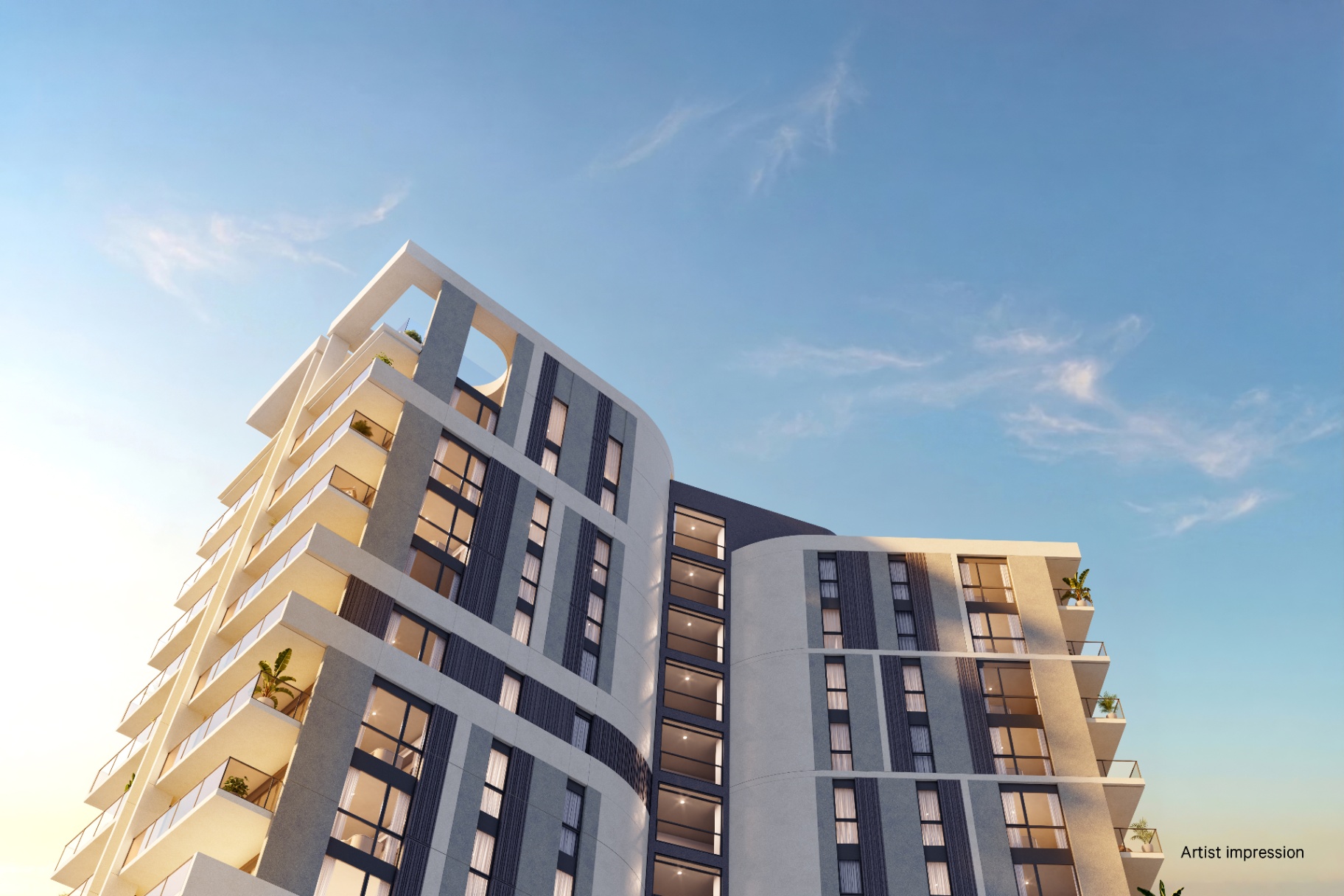 Coposit | Buy with $10K | Sydney Real Estate Market | Buy Property in NSW
Tempo | Newcastle West NSW | $10K deposit | Secure with $10k and $986 x 68 weeks
Under the five-day CBD commute model, proximity to transport was the primary determinant of residential location for workers who needed reliable daily access to CBD employment. Suburbs further from the CBD or with poor transport connections were systematically disadvantaged relative to their price, and the daily cost in time and money of long commutes was accepted as part of the trade-off between affordability and access.
Under a two to three day per week hybrid model, the same commute is less burdensome in aggregate but the nature of the burden changes. A 90-minute commute that happened five days per week was genuinely costly in quality-of-life terms. The same commute happening two or three times per week is more manageable, but it also means that a marginally shorter commute, perhaps 45 minutes instead of 90, has less marginal value than it once did. The trade-off between commute time and other location factors has shifted.
Locations that were systematically undervalued because of their commuting penalty are now being reassessed. Coastal locations, regional cities with good regional transport, and suburban locations that offered lifestyle amenity but long commutes have all attracted increased demand from buyers who now commute significantly less frequently.
The requirement for a dedicated, functional home office has moved from an occasional preference to a genuine purchase criterion for the large and growing portion of Australian households where at least one person works from home regularly.
A dedicated home office means more than a desk in a corner of the living area. It means a space that can be physically separated from household activity during working hours, that has adequate acoustic separation for video calls, and that has sufficient natural light to be a productive environment for extended periods.
For apartment buyers, this requirement shapes floor plan assessment significantly. A one-bedroom apartment that cannot provide a functional work-from-home space is less suitable for a hybrid worker than a two-bedroom apartment where the second bedroom functions as a dedicated home office. This has contributed to increased demand for two-bedroom apartments relative to one-bedroom apartments in markets where hybrid work is prevalent.
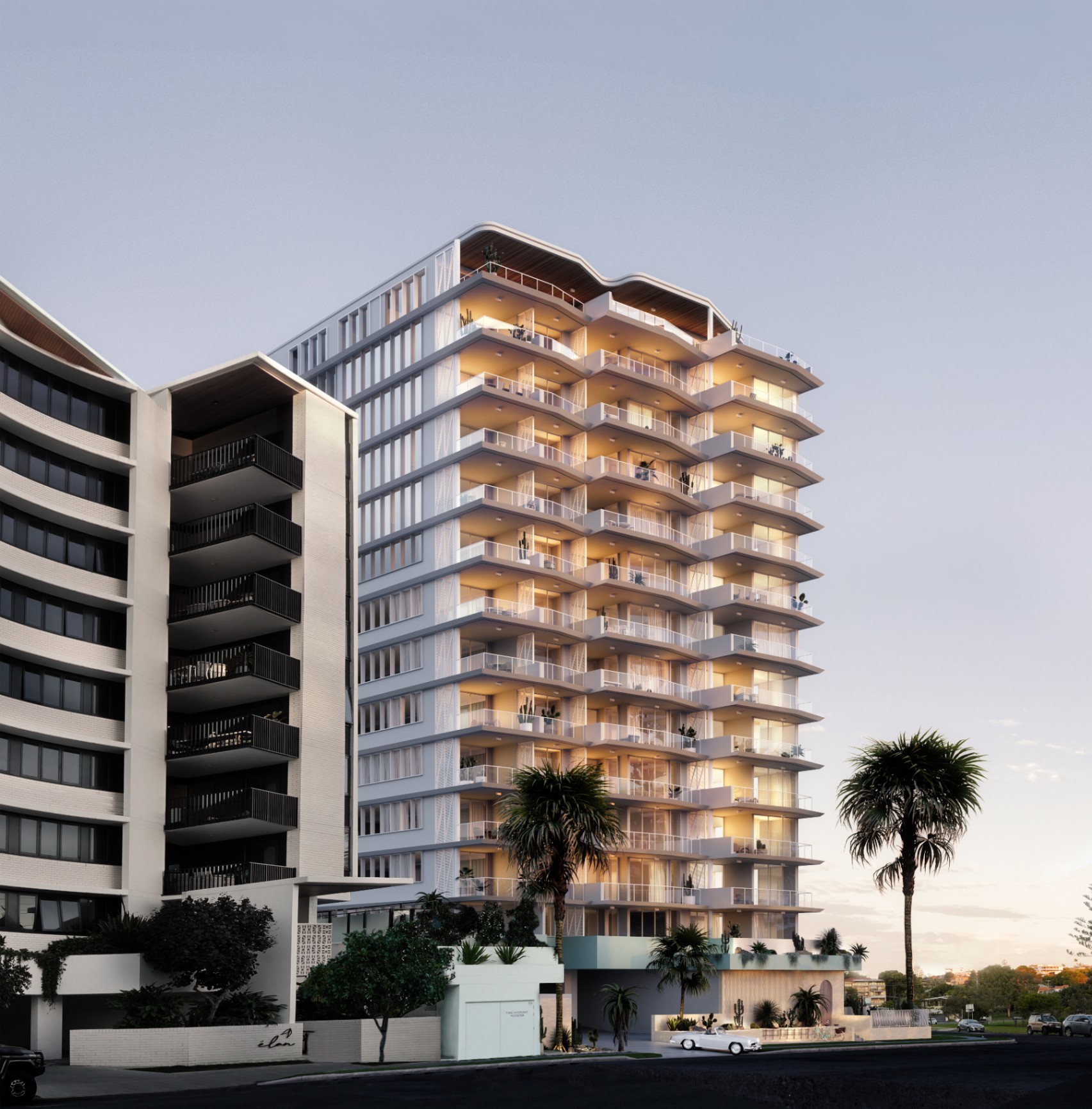 Coposit | Buy with $10K | Newcastle Real Estate Market | Buy Property in NSW
Tempo | Newcastle West NSW | $10K deposit | Secure with $10k and $986 x 68 weeks
Workers who spend two to three days per week at home are spending significantly more time in their residential neighbourhood on weekdays than commuters who left for the CBD at 7am and returned at 7pm. The quality of the neighbourhood during business hours has become more relevant to the daily experience of a growing proportion of Australian households.
A neighbourhood with good cafés, parks, and street activation that is pleasant on a Tuesday morning while working from home is now a meaningful residential quality that generates demand. The neighbourhood that was acceptable when residents left early and returned late, dark, quiet, car-dependent, is less appealing when residents are present and active in it throughout the working day.
This shift in what the neighbourhood delivers during the working day has contributed to the increased demand for walkable, activated urban neighbourhoods relative to quiet residential suburbs that are pleasant on weekends but have little to offer on a Tuesday morning.
For buyers assessing which location and property type suits their working arrangement, several specific considerations follow from the hybrid work shift.
What is your actual commute pattern and how does that shape the transport access requirement for your home? Under a two-day-per-week commute pattern, a somewhat longer commute may be acceptable if the home and neighbourhood deliver better outcomes on the five days per week you are not commuting.
Does the floor plan provide a genuine dedicated workspace? A two-bedroom apartment where the second bedroom functions as a home office is a better hybrid work environment than a one-bedroom apartment with an alcove desk, even if the latter is slightly better located.
Does the neighbourhood deliver a good working-day experience? A neighbourhood you would enjoy being in and around on a Tuesday morning, walkable, with a good café, accessible green space, and enough street activation to feel pleasant, is a better hybrid-work neighbourhood than one that is purely residential and quiet.
Read Should You Prioritise Location or Apartment Size When Buying for a complete framework on how to balance these considerations in the purchase decision.
Read What Should You Look for in an Off the Plan Floor Plan for guidance on assessing work-from-home functionality in apartment floor plans.
Browse current Coposit listings on the projects page, download the Coposit app, or contact the Coposit team to discuss which projects and locations suit a hybrid working lifestyle.
This article is general information only and does not constitute financial advice. Always seek independent financial advice before making any property decisions.
Share this article



Follow Coposit:


© 2025 Copyright Coposit.

