

With property prices remaining high and rental yields under pressure, many Australians are looking beyond traditional housing investments. One option that keeps coming up is storage units. They are cheaper to buy, easier to manage, and often promise higher yields.
But is buying a storage unit actually worth it? The answer depends on the numbers.
This blog post breaks down the financial reality behind storage unit investments so you can decide if they make sense for your goals.
 Coposit | Buy with $5K | Off the plan Industrial | Invest in Storage Units
Storage, Stream Northmead | Off the plan | Secure with $5k and $563 x 12 weeks
Buying a storage unit means purchasing an individual unit within a larger storage facility. You then rent that space to individuals or businesses who need storage.
Unlike residential property, no one lives in the unit. It is a commercial-style investment focused purely on income.
Storage units are commonly used for:
Demand is closely linked to lifestyle changes and housing trends.
The income model is simple. Tenants pay a weekly or monthly fee to store their belongings.
Rental rates are influenced by:
One key advantage is tenant behaviour. People often keep storage units longer than expected, which leads to lower turnover and more stable income.
This is where storage units attract attention.
In many Australian markets, gross yields for storage units range between 7% and 12%. By comparison, residential property in major cities often delivers 3% to 5% gross yield.
The basic yield calculation looks like this:
For example:
That equals a 10% gross yield.
This higher income relative to price is the main reason investors consider storage units.
High yield does not mean high profit without costs.
Typical expenses include:
After costs, a storage unit with a 10% gross yield may deliver closer to 6% to 9% net yield, depending on the facility.
Always ask for a full cost breakdown before buying.
This is significantly higher than many residential net yields.
Multiple units in one location can increase income consistency.
Storage units differ from housing in several important ways.
Key differences include:
Residential property often wins on long-term capital growth. Storage units often win on cash flow.
Several trends support long-term demand for storage.
These include:
Urban areas and high-density suburbs tend to perform best.
Storage units are not risk free.
Key risks include:
Location and facility quality matter just as much as with property.
Storage units are usually treated as commercial property for tax purposes.
This may involve:
Always speak to an accountant before buying.
Buying a storage unit may suit investors who want:
They may not suit buyers looking for lifestyle use or rapid value growth.
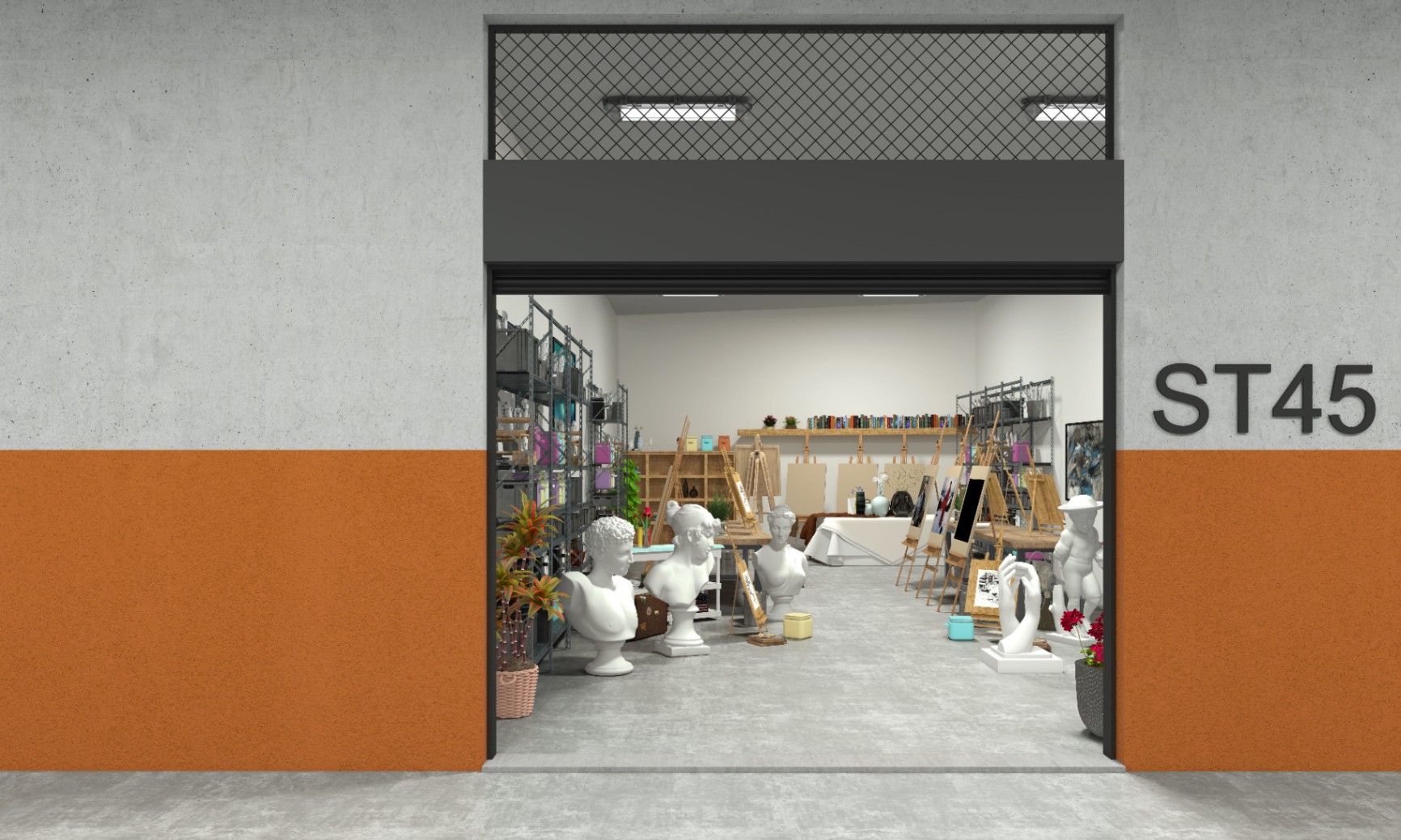 Coposit | Buy with $5K | Off the plan Industrial | Invest in Storage Units in NSW
Storage, Stream Northmead | Off the plan industrial | Secure with $5k and $563 x 12 weeks
When you look purely at income, storage units can outperform many residential properties. Higher yields, lower management stress, and steady demand make them attractive.
However, success depends on buying the right unit in the right location at the right price.
If the numbers stack up and the investment aligns with your broader strategy, buying a storage unit can be a worthwhile addition to a diversified property portfolio.
Share this article



Follow Coposit:


© 2025 Copyright Coposit.