

Commercial property is becoming one of the biggest talking points in Australian investing right now. For years, most everyday investors focused heavily on residential property. But in 2026, more Australians are starting to ask whether commercial property may offer different opportunities altogether.
Higher rental yields, longer leases, industrial growth, and changing market conditions are all pushing more investors to look beyond traditional residential investing. At the same time, commercial property still feels intimidating or unfamiliar to many buyers. So is commercial property actually “better” than residential? Or is the answer more complicated than that?
Steve Palise explains why commercial property is suddenly back in focus for Australian investors.
One of the strongest themes emerging across Australia’s property market is diversification.
Many investors who traditionally focused only on houses or apartments are now exploring:
Part of this shift is being driven by changing investor priorities around cash flow, long term resilience, and flexibility.
As property investor and commercial specialist Steve Palise explained during a recent Property Now podcast episode:
“Commercial is a sleeping giant.” — Steve Palise
One reason commercial property keeps coming up in investor discussions is cash flow.
Compared to residential property, some commercial assets may offer:
This has become particularly relevant in today’s market where many investors are becoming more cautious about holding costs and financial pressure.
Steve Palise described the difference like this:
“Residential is like three steps up the staircase. Commercial is about 20 steps up.” — Steve Palise
Industrial property is becoming one of the most talked-about sectors within commercial real estate.
Warehouses, logistics spaces, storage units, and industrial developments are increasingly attracting attention as e-commerce, freight, and business infrastructure continue expanding across Australia.
Growth corridors around Sydney, Brisbane, Melbourne, and the Gold Coast are seeing significant industrial demand tied to:
This is one reason industrial property continues appearing in investor discussions.
Despite growing interest, commercial property is not automatically easier or safer than residential investing.
Commercial assets may involve:
This is one reason many investors continue balancing both residential and commercial assets rather than viewing them as direct replacements.
Another theme discussed heavily in the podcast was borrowing capacity.
Many Australians eventually reach a point where building additional residential property exposure becomes harder financially.
As Steve Palise explained:
“80% of people will buy two, three or four residential properties, hit their servicing limit, then start looking at commercial property.” — Steve Palise
This reflects a broader shift happening across Australia’s investment landscape.
Many buyers are becoming more strategic about diversification, flexibility, and long term sustainability.
Perhaps the biggest shift happening right now is behavioural.
Investors are increasingly asking broader long term questions such as:
These conversations are becoming much more common across Australia’s property market.
One of the strongest points raised during the discussion was the importance of long term relevance.
Steve Palise framed it simply:
“In 10 years time, will this property be in more demand than it is now?” — Steve Palise
That question increasingly sits at the centre of many investment decisions in 2026.
Because whether residential or commercial, many investors are now focusing more heavily on:
rather than simply chasing short term trends.
While commercial property gains attention, residential off-the-plan developments continue attracting strong interest from many Australians.
For some buyers, newer developments may provide:
This is particularly relevant for buyers trying to navigate rising living costs and changing affordability pressures.
You can also explore related articles:
Coposit provides a different way for buyers to approach eligible property purchases across Australia, including selected off-the-plan apartments, house and land packages, and new residential developments.
With Coposit, buyers can secure eligible properties with a minimum $10,000 deposit while completing the remaining deposit through weekly instalments during construction.
Through the Coposit app, buyers can explore developments, compare locations, and better understand property opportunities aligned with their financial and lifestyle goals.
Buyers can also connect with the Coposit team to learn how Coposit works and explore available projects across Australia’s growing property markets.
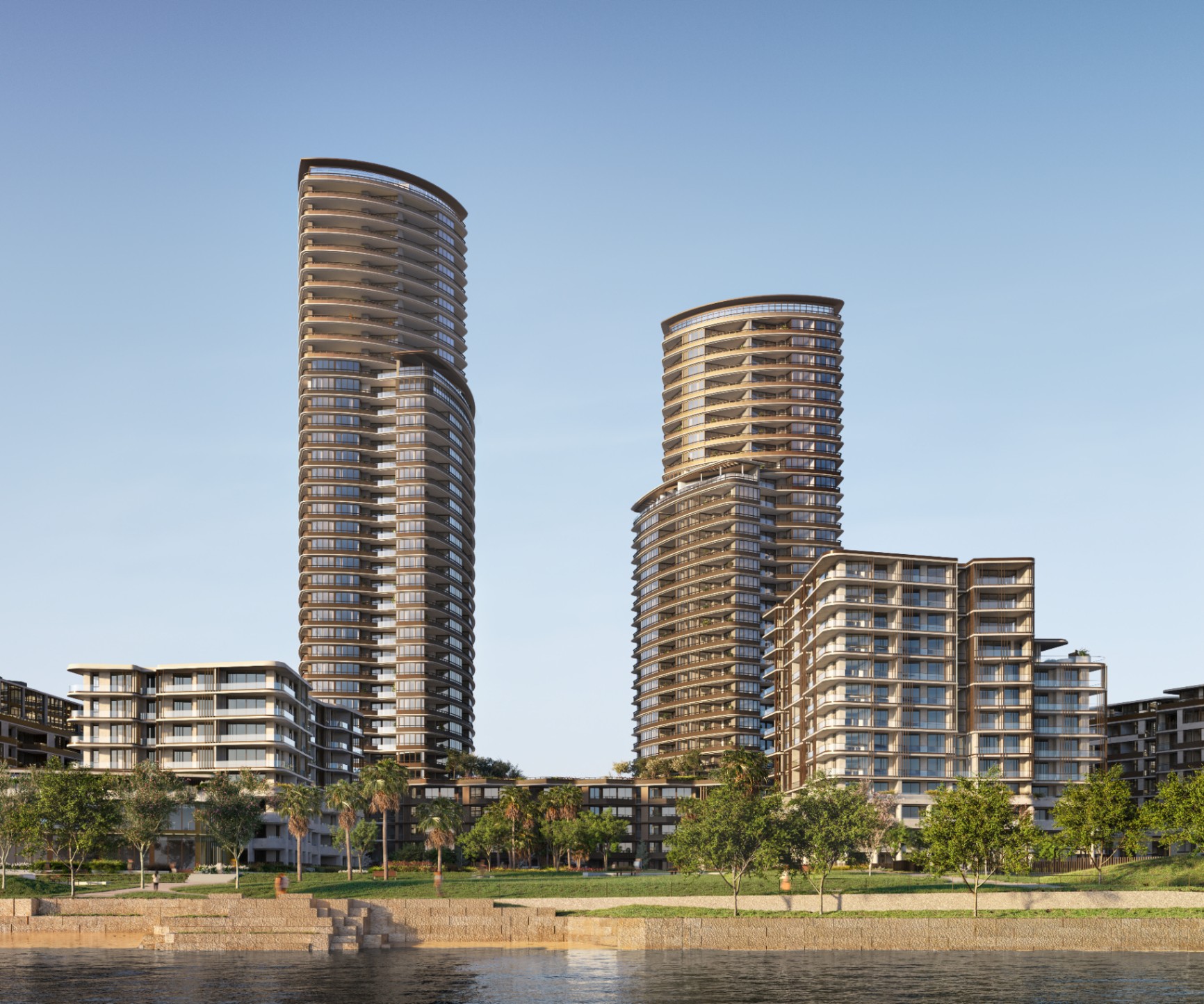 Coposit | Buy with $10K | Sydney Real Estate Market | Buy Property in Wentworth Point
Share this article



Follow Coposit:


© 2025 Copyright Coposit.