

Something has changed in how Australian property investors are approaching the market in 2026. It is not dramatic. It is not uniform. But it is real and it is accelerating.
Investors who twelve months ago would have defaulted to established property are increasingly looking at new builds and off the plan. The reasons are not sentimental. They are financial.
 Coposit | Buy with $18K | Sydney Real Estate Market | Buy Property in NSW
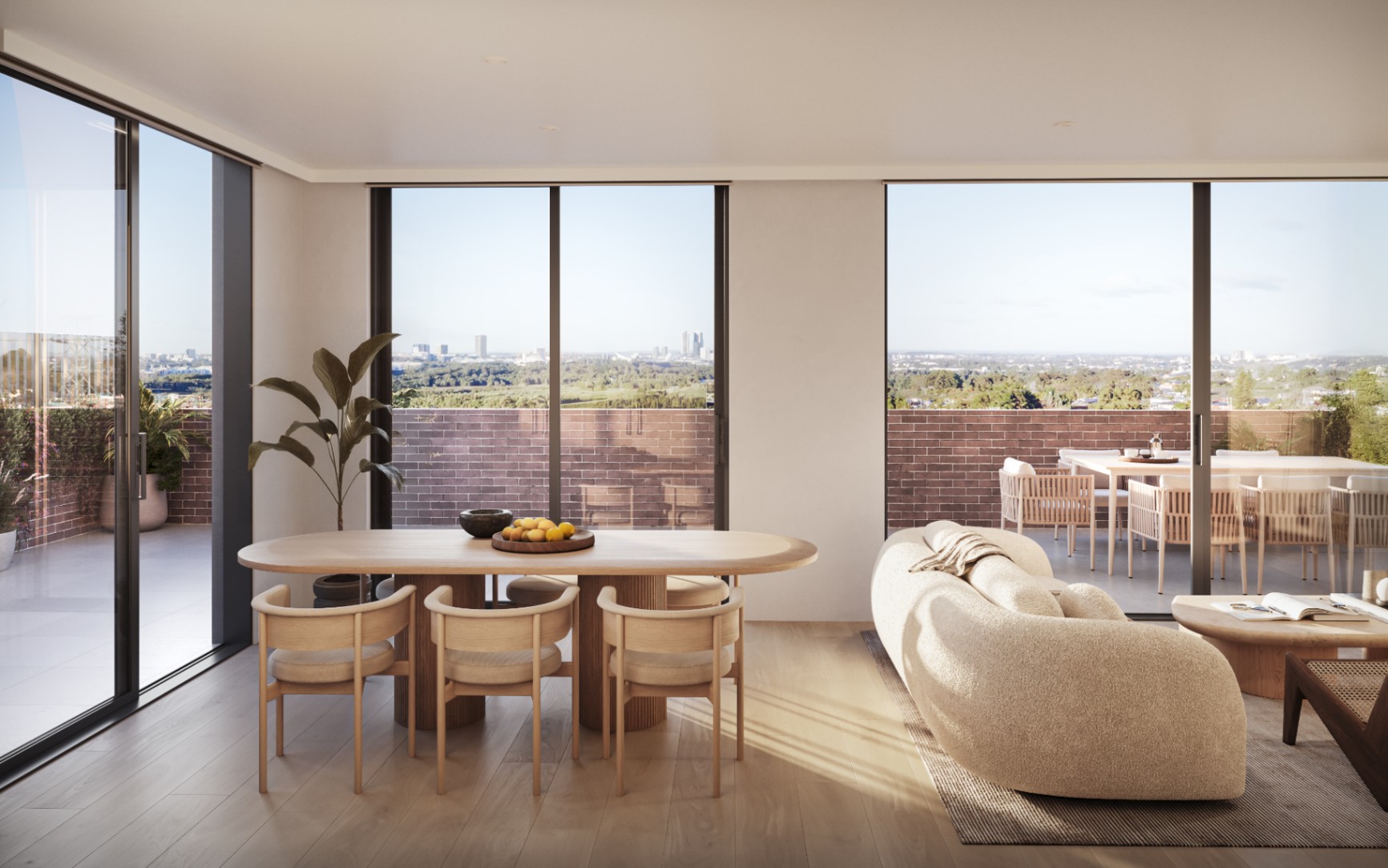
Aeris | Melrose Park NSW | $18K deposit | Secure with $18k and $184 x 100 weeks
For most of the past two decades, established property was the default investment choice for most Australian investors. The reasons were practical.
Established properties could be inspected, valued, and rented immediately. The income stream started quickly. The risks were known. And negative gearing on established properties allowed investors to offset rental losses against their wages, reducing taxable income and improving after-tax cash flow.
That tax advantage applied equally to new and established property, so most investors chose established for the certainty and immediacy it offered.
The 2026 federal budget restricted negative gearing on established residential investment properties purchased after Budget night on 12 May 2026. Rental losses on established properties can now only be offset against other property income, not against wages.
New builds are entirely exempt from this restriction. Full negative gearing continues to apply to newly constructed properties and off the plan purchases.
That single change altered the tax comparison between new and established investment property significantly. The tax advantage that applied equally to both now applies only to new supply.
 Coposit | Buy with $10K | Sydney Real Estate Market | Buy Property in NSW
Sanctuary | Wentworth Point NSW | $21K deposit | Secure with $21k and $204 x 104 weeks
Beyond negative gearing, new properties carry a significant depreciation advantage over established ones that existed before the budget and has not changed.
A newly built apartment allows an investor to claim depreciation on fittings, fixtures, carpet, appliances, and building structure at rates that an older property simply cannot match. For an investor in a higher tax bracket, that depreciation can be worth $5,000 to $15,000 per year in tax deductions, compounding over the early years of ownership.
An established property built more than a decade ago has already had most of its depreciable value claimed by previous owners. The investor who buys it today gets very little depreciation benefit.
Combined with the negative gearing restriction on established property, the after-tax return comparison between new and established has shifted materially in favour of new supply.
Buyers' agents who were firmly in the established property camp twelve months ago are beginning to reassess their position. Not all of them. Not uniformly. But the shift is visible in how the conversation has changed.
New apartment projects in markets with strong rental fundamentals are seeing increased investor inquiry. Properties that would have been considered by a narrower pool of investors twelve months ago are now being seriously evaluated by buyers who previously would not have looked at off the plan.
The markets attracting the most investor interest are those where rental vacancy rates are genuinely tight, where population growth is structural rather than speculative, and where new supply is constrained enough that a well-chosen project faces limited competition at settlement.
Perth, Southeast Queensland, and Sydney's growth corridors are all showing these characteristics in 2026.
 Coposit | Buy with $10K | Sydney Real Estate Market | Buy Property in NSW
Autobiography | Wickham NSW | $10K deposit | Secure with $10k and $715 x 91 weeks
The budget changes have created a genuine incentive to look at new builds. But the investment fundamentals still matter more than the tax environment.
A new apartment in a poorly chosen location with weak rental demand and excessive supply is a worse investment than a well-chosen established property even with the tax disadvantage. The tax environment tilts the comparison. It does not override it.
Location, rental demand, vacancy rates, the developer's track record, and the price relative to comparable completed stock are still the primary determinants of investment quality. The budget changes make new supply more competitive on the tax dimension. They do not make every new development a good investment.
Browse current investment-suitable off the plan listings on the Coposit projects page, download Coposit app, or contact Coposit team to understand which projects and markets suit an investment strategy in 2026.
Share this article



Follow Coposit:


© 2025 Copyright Coposit.