

For most of Australia's property history, the conventional wisdom was straightforward. Buy established. Get something you can see, touch, and move into quickly. Avoid the risk of buying off the plan.
That logic made sense for a long time. But in 2026, the calculus is shifting, and for a growing number of buyers and investors, new developments are starting to stack up in ways that established properties simply can't match.
Australia's property market has entered genuinely new territory this year. Three consecutive RBA rate rises, the most significant tax changes to property investment in nearly three decades, and an acute housing shortage that shows no sign of resolving quickly have combined to reshape how buyers should be thinking about what they buy.
The May 2026 Federal Budget announced that, from 1 July 2027, negative gearing on established residential properties will be restricted. For established properties purchased after 7:30 pm AEST on Budget night, 12 May 2026, rental losses will be able to offset residential property income and be carried forward to future years, but they will not be deductible against non-property income such as wages.
New builds are entirely exempt.
Investors who buy newly constructed properties can still negatively gear under current rules and choose between the old or new CGT treatment. That's a meaningful structural advantage that established properties purchased from here simply don't have.
For buyers who were already leaning toward new developments, the budget has reinforced that decision. For those still sitting on the fence, it has shifted the conversation considerably.
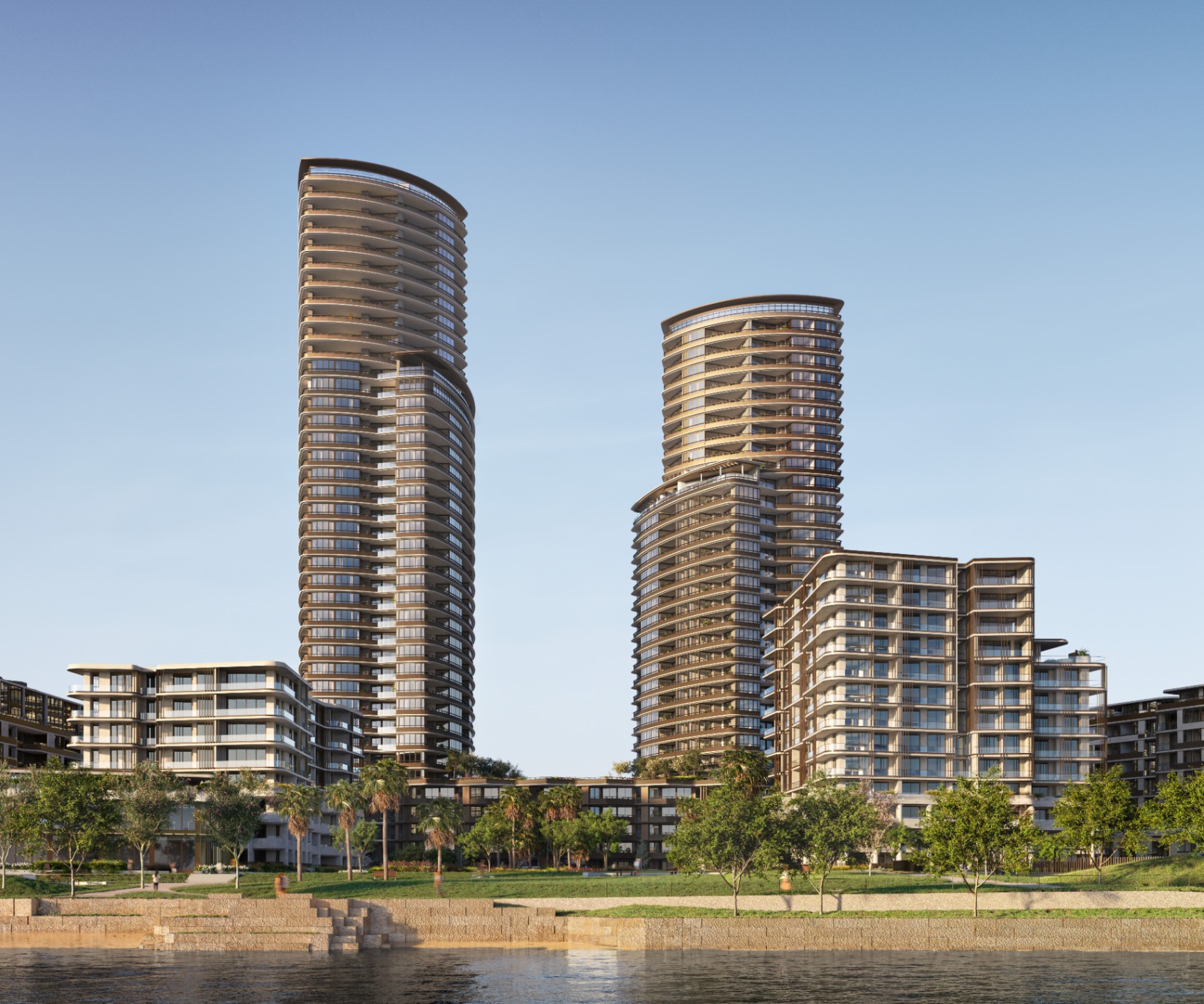 Coposit | Buy with $21K | Sydney Real Estate Market | Buy Property in NSW
Sanctuary | Wentworth Point NSW | $21K deposit | Secure with $21k and $204 x 104 weeks
There's a supply dynamic at play that doesn't get enough attention.
Building approvals are running at very low levels. Construction costs have risen sharply since COVID and haven't come back down. Labour shortages persist. The result is that very few new apartment complexes are currently viable to build at today's market prices.
That means the new supply that does come to market will need to sell at prices considerably higher than existing comparable stock in order to make the numbers work for developers. And when new stock prices rise, they pull established prices up alongside them.
Buyers who secure new developments now, before that repricing flows through, are locking in at a price point that may look increasingly competitive relative to what follows.
For years, apartments underperformed houses in capital growth because buyers paid for the building rather than the land beneath it. That gap is narrowing.
Recent data shows that unit prices recorded stronger growth through 2025 as affordability constraints pushed more Australians to trade backyards for balconies and courtyards. In Brisbane, unit values grew more than 22% annually. In Perth, units grew nearly 25% annually.
In Sydney and Melbourne, well-located established apartments are now trading at prices considerably below their replacement cost, meaning that what it would cost to build them today is higher than what you'd pay to buy them on the existing market.
That dynamic doesn't last indefinitely. When new supply costs more to build than established stock costs to buy, the gap closes from both directions.
 Coposit | Buy with $18K | Sydney Real Estate Market | Buy Property in NSW
Aeris | Melrose Park NSW | $18K deposit | Secure with $18k and $184 x 100 weeks
New developments are built to current standards. Insulation, energy efficiency, fire compliance, structural quality, all reflect what's required today, not what was acceptable 30 or 40 years ago.
For buyers, that means lower maintenance costs, fewer surprises, and in many cases, lower utility bills. For investors, it means less capital expenditure in the years immediately following purchase.
New properties attract significantly higher depreciation deductions than established ones. For investors, the ability to claim depreciation on fittings, fixtures, and building structure reduces taxable income and improves after-tax cash flow. This benefit is strongest in the early years of ownership and diminishes over time as assets age, which is one more reason new developments are structurally advantaged for investors.
New developments come with statutory warranties covering structural defects and workmanship. Buyers of established properties have no such protection. For buyers who've watched friends deal with building issues in older stock, that warranty is genuinely valuable.
Buyers who secure off-the-plan properties today lock in the current price. If values rise during the construction period, which has historically been the case in undersupplied markets, they settle at a price below what the completed property would fetch on the open market.
 Coposit | Buy with $26K | Sydney Real Estate Market | Buy Property in NSW
Waterstone | St Leonards NSW | $26K deposit | Secure with $26k and $544 x 60 weeks
One of the traditional objections to new developments was the deposit requirement. Paying 10% upfront on an off-the-plan property, while still renting, was genuinely difficult for many buyers.
Through Coposit, eligible off-the-plan developments can be secured with minimum $10,000 upfront, with the remaining deposit spread across weekly instalments during the construction period. Buyers aren't handing over tens of thousands of dollars at once. They're moving toward settlement in a way that fits alongside their existing financial commitments.
That structural change makes new developments accessible to buyers who previously couldn't practically consider them.
New developments aren't all equal and the case for buying one depends heavily on choosing the right one.
Location still matters most. A well-located new development in a suburb with strong population growth, good transport, and community infrastructure will outperform a poorly located one regardless of build quality. The fundamental rule, that 80 per cent of a property's long-term performance comes down to location, hasn't changed.
Developer track record. Not all developers deliver what they promise. Researching the developer's previous projects, their financial position, and their history of completing on time and to specification is essential due diligence before committing.
Settlement risk. Off-the-plan purchases carry the risk that market conditions at settlement look different from conditions at signing. Understanding your finance position and ensuring you can settle at the contracted price, regardless of what the market does in the interim, matters more than most buyers appreciate at the time of purchase.
Body corporate fees and building management. New buildings often have lower initial body corporate fees, but those fees rise as the building ages and common areas require maintenance. Understanding the projected fee trajectory and the quality of building management matters for long-term holding costs.
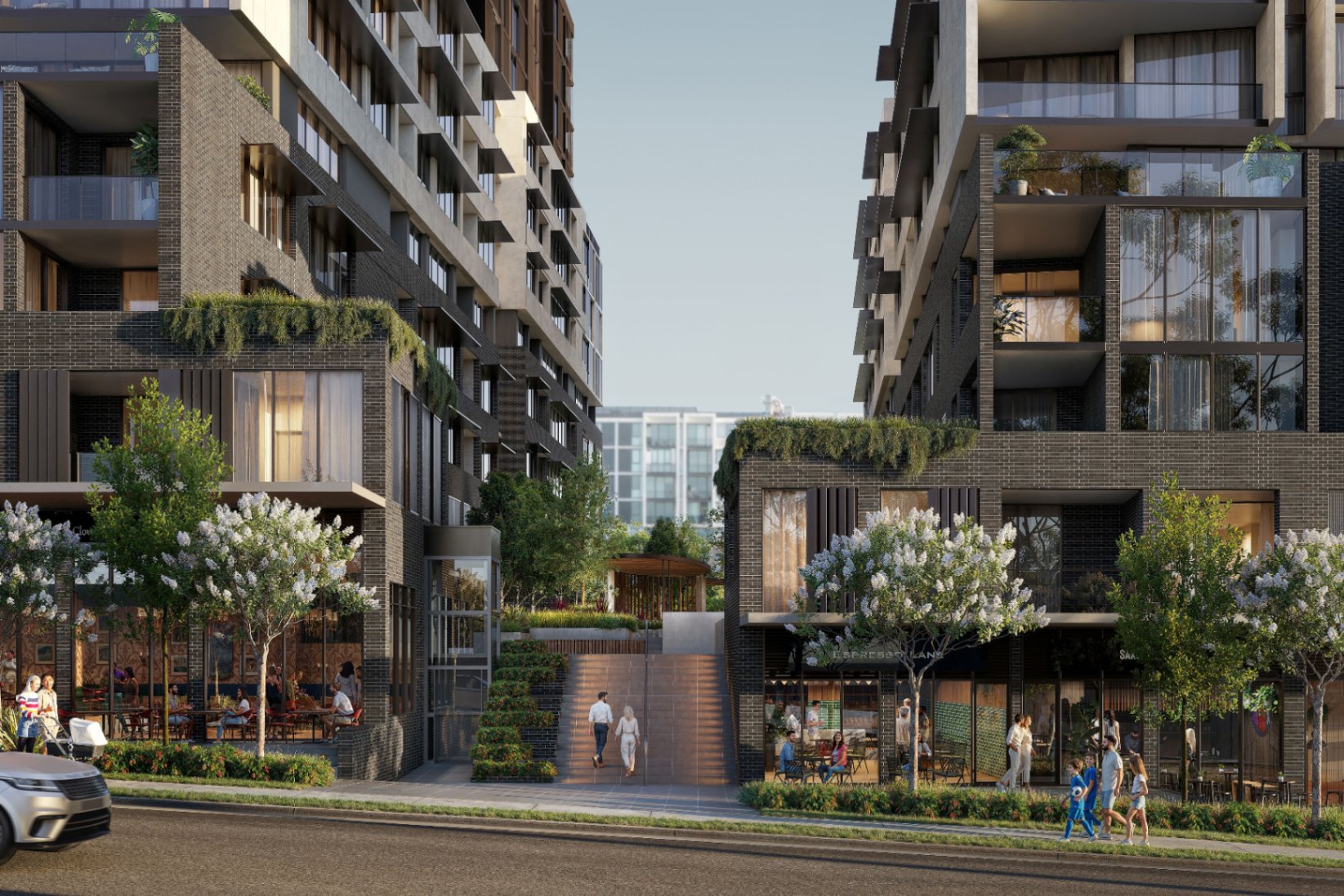 Coposit | Buy with $10K | Sydney Real Estate Market | Buy Property in NSW
Lily Lane | Castle Hill NSW | $10K deposit | Secure with $10k and $426 x 134 weeks
Australia's housing shortage is not a short-term problem. Population growth is forecast to add close to three million people by 2030. Building approvals are running well below the pace needed to house them. And the cost of delivering new dwellings is rising, not falling.
In that environment, well-located new developments in supply-constrained markets aren't a gamble. They're a response to fundamental forces that aren't going away.
The buyers and investors who moved early on that logic in previous cycles didn't regret it. The conditions today, a structural shortage, a tax environment that actively favours new builds, and a deposit model that makes entry more accessible, are creating a similar window.
Coposit helps buyers get into new developments sooner by spreading the deposit over time. To explore eligible properties or learn how it works, download our app or contact our team.
Share this article



Follow Coposit:


© 2025 Copyright Coposit.