

Property investing is often promoted as predictable and stable. In reality, unexpected costs are part of the journey. The difference between a stressed investor and a confident one usually comes down to preparation.
Saving for unexpected costs is not optional. It is a core part of sustainable property investing. Without buffers, even a good investment can become a financial burden.
This blog explains what unexpected costs look like, how much to save, and how to build a buffer that protects your portfolio.
Property is a long-term asset. Over time, things will break, change, or require attention.
Unexpected costs can:
Investors who plan for surprises stay in control when they happen.
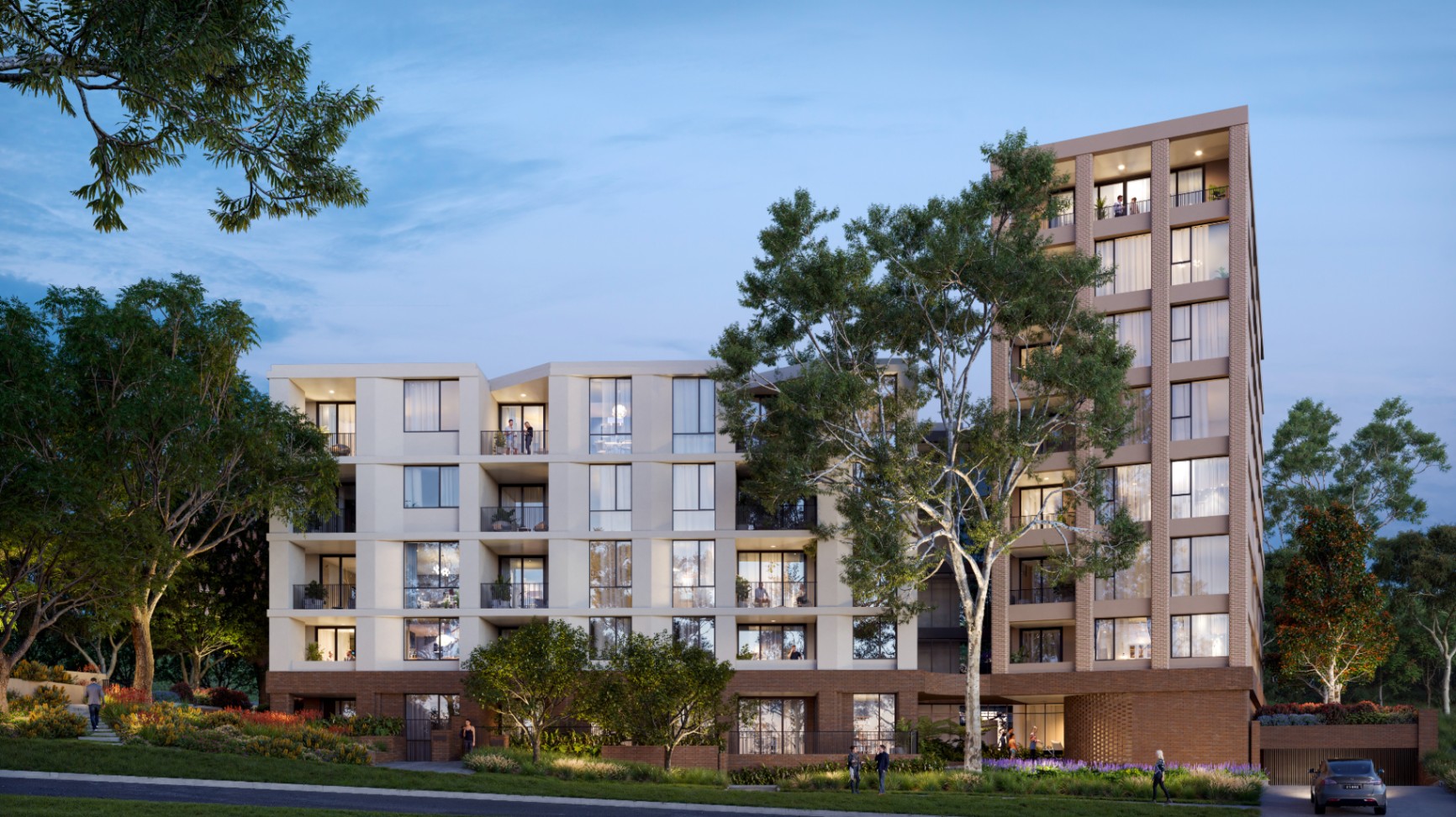 Coposit | Buy with $10K | Off the plan Sydney | Investment property guide
Blossom Carlingford | Off the plan NSW | Secure with $10k and $1,323 x 62 weeks
Unexpected does not always mean rare. Many costs are simply unpredictable in timing.
Even well-maintained properties need work.
Common examples include:
These costs often arrive without warning and need immediate action.
Tenants move out. Sometimes earlier than expected.
Vacancy costs include:
Even one vacant month can impact annual returns.
Interest rates do not stay still.
Rate increases can raise repayments quickly, especially on variable loans. Investors without buffers feel the pressure first.
Insurance does not cover everything.
Unexpected costs may include:
Relying on insurance alone is risky.
For apartments and townhouses, strata costs can spike.
These may include:
Council rates and land tax can also change.
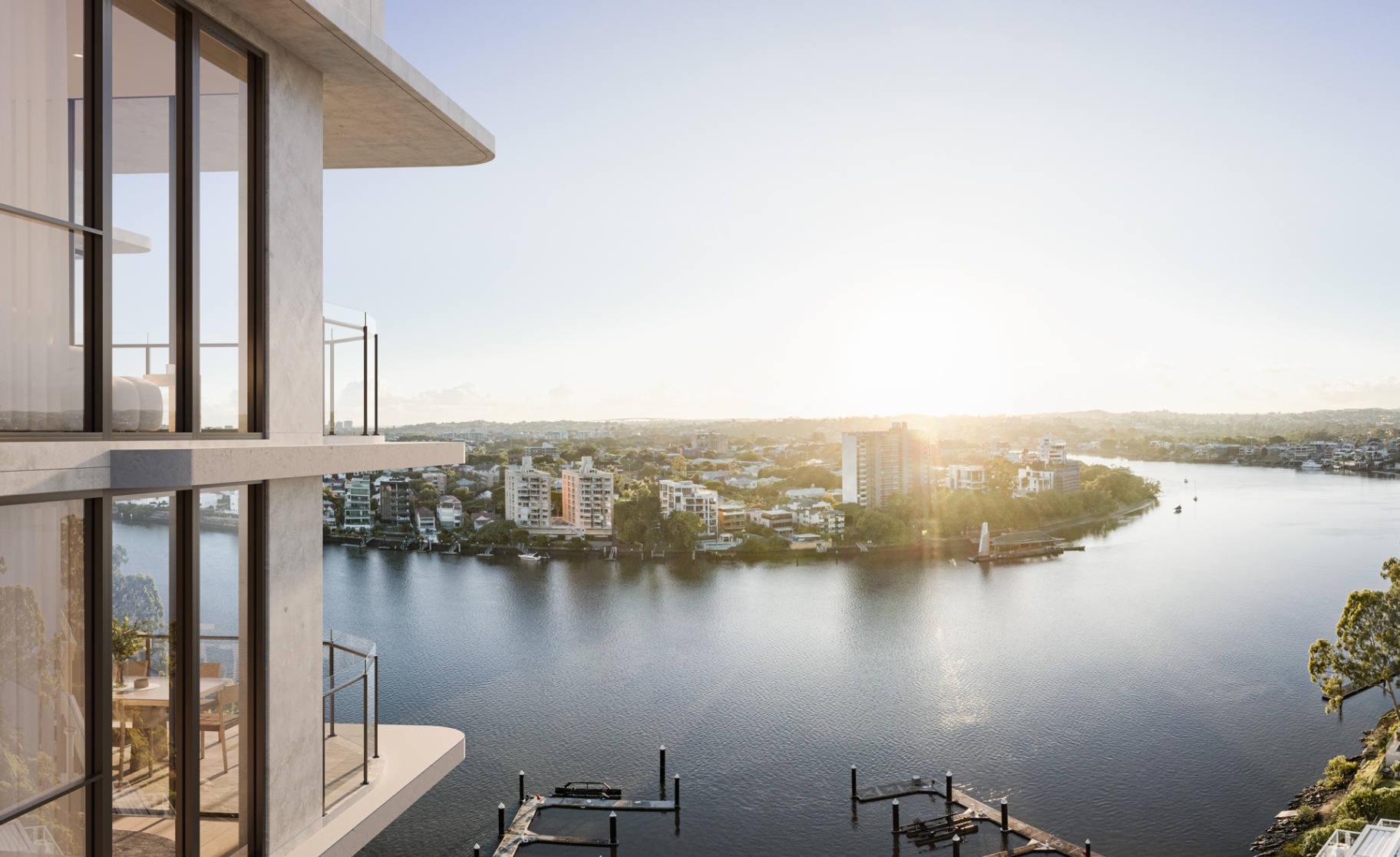 Coposit | Buy with $50K | Off the plan Sydney | Investment property guide
Gaia | Off the plan QLD | Secure with $50k and $2,986 x 68 weeks
There is no single perfect number, but there are practical guidelines.
Many experienced investors aim for:
Your buffer should cover repayments, rates, insurance, and basic maintenance.
Accessibility matters more than returns.
Good options include:
Avoid locking emergency funds into illiquid investments.
 Coposit | Buy with $10K | Off the plan Sydney | Investment property guide
The Avenue | Off the plan NSW | Secure with $10k and $1,448 x 38 weeks
Saving for unexpected costs does not need to feel heavy.
Treat your buffer like a bill.
Set up automatic transfers:
Small amounts add up faster than expected.
Bonuses, tax refunds, and extra income are opportunities.
Instead of upgrading lifestyle, consider directing part of these into your buffer.
This accelerates protection without affecting daily cash flow.
More properties mean more exposure.
Review buffer levels when:
Your buffer should scale with your risk.
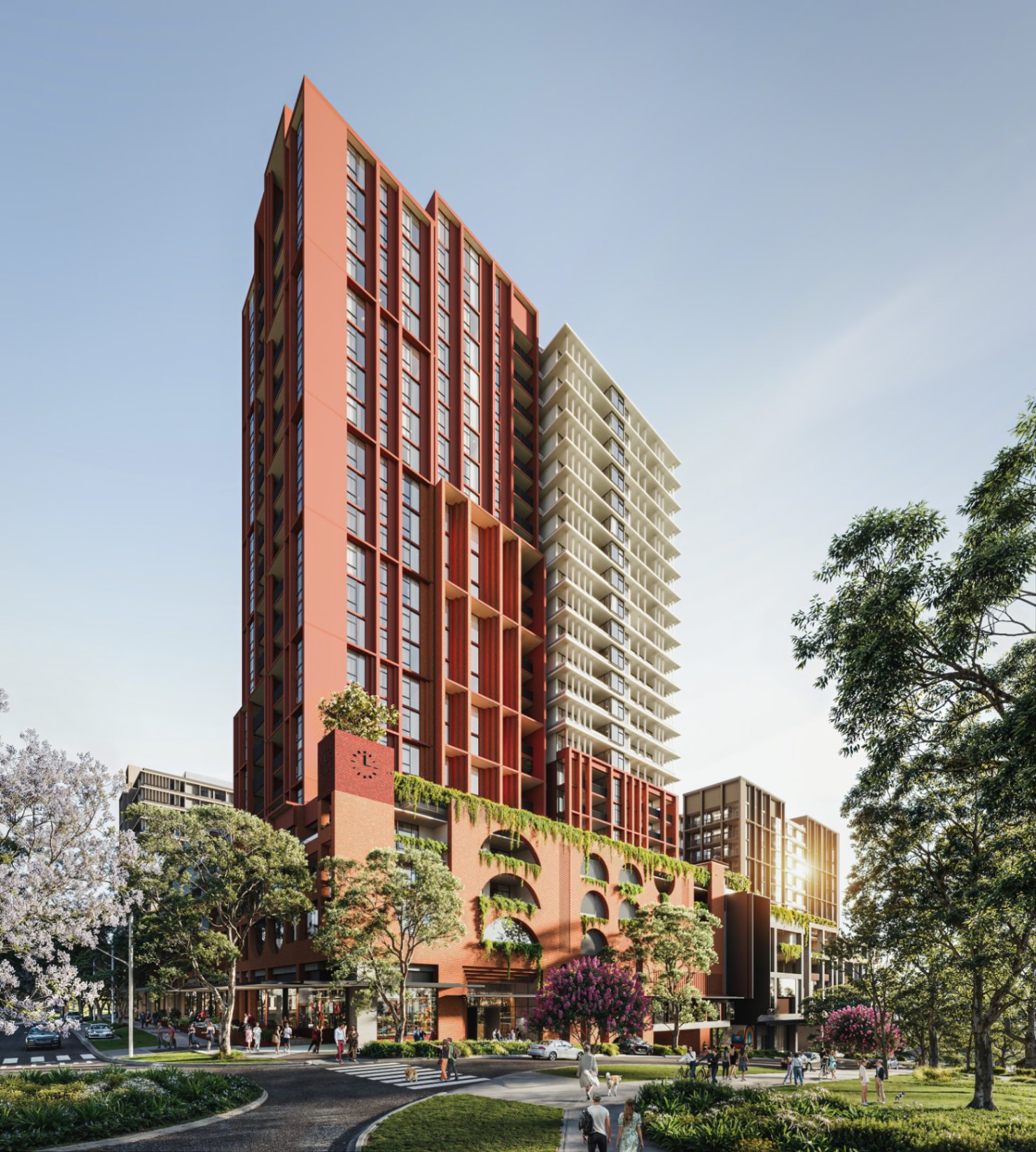 Coposit | Buy with $10K | Off the plan Sydney | Investment property guide
Melrose Central | Off the plan NSW | Secure with $10k and $2,536 x 14 weeks
One challenge for many investors is tying up too much cash upfront.
Coposit offers a different approach to entering property investment.
Instead of needing a large traditional deposit, Coposit allows buyers to secure property with a smaller initial amount and structured weekly payments.
This flexibility helps investors:
Keeping cash available is often more valuable than maximising leverage.
Even experienced investors slip up.
Avoid these mistakes:
Buffers only work if they are protected.
Saving for unexpected costs does more than prevent emergencies.
Strong buffers allow you to:
Resilience is a competitive advantage in property investing.
 Coposit | Buy with $20K | Off the plan Palm Beach | Investment property guide
Retreat Palm Beach | Off the plan QLD | Secure with $20k and $1,875 x 68 weeks
Unexpected costs are not a sign of failure. They are part of property ownership.
Investors who accept this reality and prepare for it outperform those who rely on optimism. Saving for unexpected costs is not about fear. It is about control.
With clear buffers, automated savings, and flexible buying strategies, property investing becomes more predictable, sustainable, and rewarding over the long term.
Share this article



Follow Coposit:


© 2025 Copyright Coposit.