

Industrial property is often seen as stable and predictable. Warehouses, factories, and logistics facilities usually have longer leases and lower tenant turnover than residential assets. But vacancies still happen. When they do, the financial impact can be significant.
Setting aside contingency funds for vacancies is one of the most important disciplines for industrial property investors. It protects cash flow, reduces stress, and allows you to hold assets through market cycles.
This blog explains why vacancy buffers matter, how much to set aside, and how to build them into your industrial property strategy.
Industrial leases are longer, but when a tenant leaves, the gap can be longer too.
Unlike residential property, industrial vacancies may involve:
A single vacancy can wipe out months of income if you are not prepared.
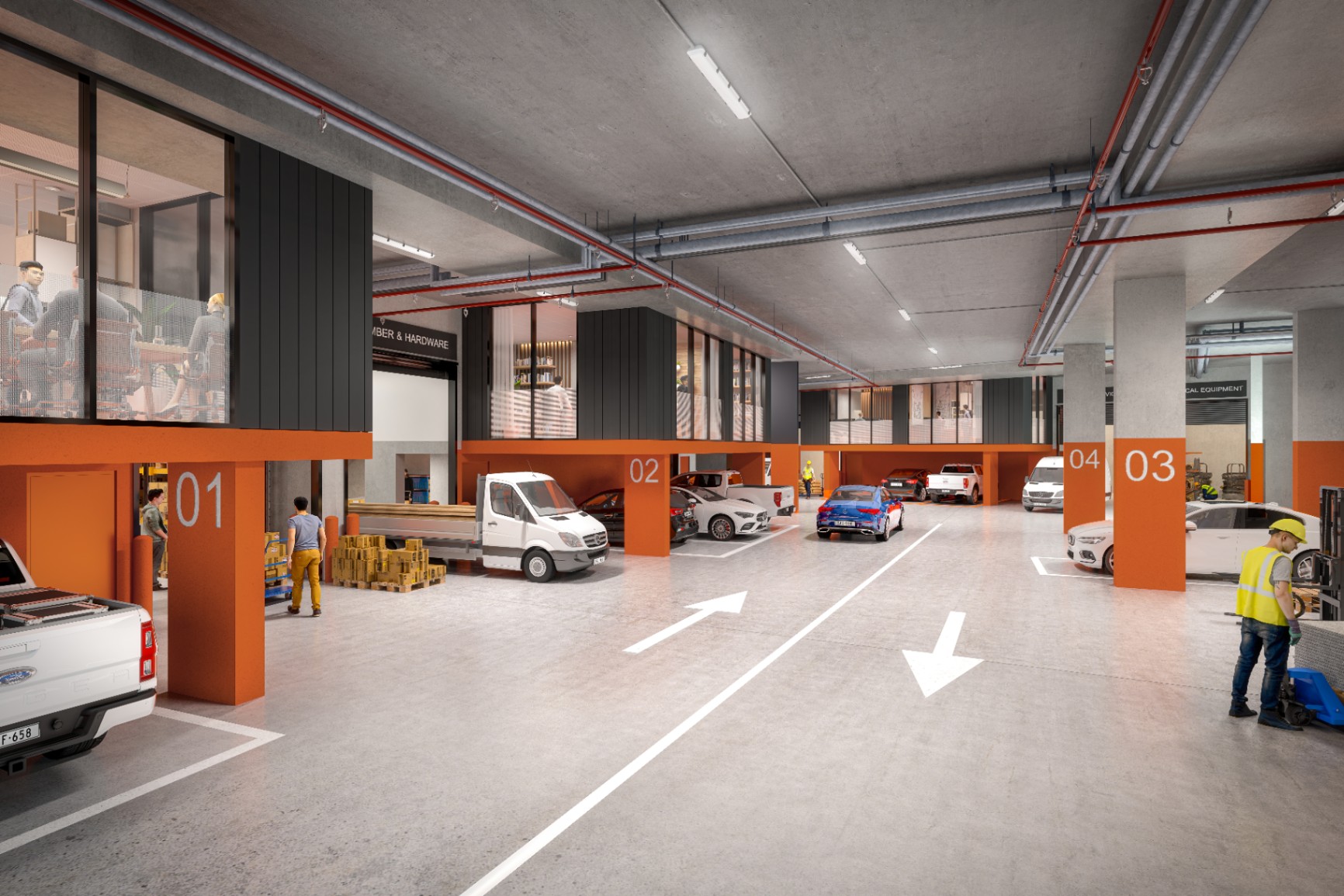 Coposit | Off the plan Sydney | Tips & Tricks for Industrial Property Investment | Northmead NSW
 Storage, Stream Northmead | Secure with $5k and $563 x 12 weeks
Vacancies are not always a sign of poor asset quality. Many are driven by external factors.
Common causes include:
Planning for vacancies means accepting that they are part of the investment cycle.
Vacancy costs go beyond lost rent.
You may still need to cover:
In addition, you may face:
Without a contingency fund, these costs come directly out of personal or business cash flow.
There is no one-size-fits-all number, but practical benchmarks help.
Many industrial investors aim for:
Assets with single tenants or specialised use should have larger buffers.
Accessibility matters more than return.
Good options include:
Avoid tying vacancy funds into long-term or illiquid investments.
 Coposit | Off the plan Sydney | Tips & Tricks for Industrial Property Investment | Northmead
 Stream Northmead | Secure with $20k and $4,567 x 12 weeks
You do not need to fund everything upfront.
Strong investors build buffers gradually.
Treat vacancy funding as a cost of ownership.
Each month, allocate a portion of rent into your contingency account. Over time, this builds a meaningful safety net.
When rents increase at review or renewal, consider directing part of the uplift into your vacancy buffer instead of lifestyle or distribution increases.
Once a vacancy is filled, rebuild the buffer immediately. Do not assume the risk has passed.
Single-tenant industrial properties are common. They also carry concentrated risk.
If the tenant leaves, income drops to zero.
For these assets:
Preparation matters more than optimism.
One challenge for industrial investors is tying up too much capital at purchase.
Coposit offers a more flexible way to enter property ownership.
Instead of requiring a large traditional deposit, Coposit allows buyers to secure property with a smaller initial amount and structured weekly payments.
This flexibility helps investors:
In industrial property, liquidity is protection.
Even experienced investors make errors.
Avoid these mistakes:
Buffers only work if they are respected.
Most forced sales happen during vacancies, not downturns.
Investors with strong contingency funds can:
Vacancy planning creates resilience.
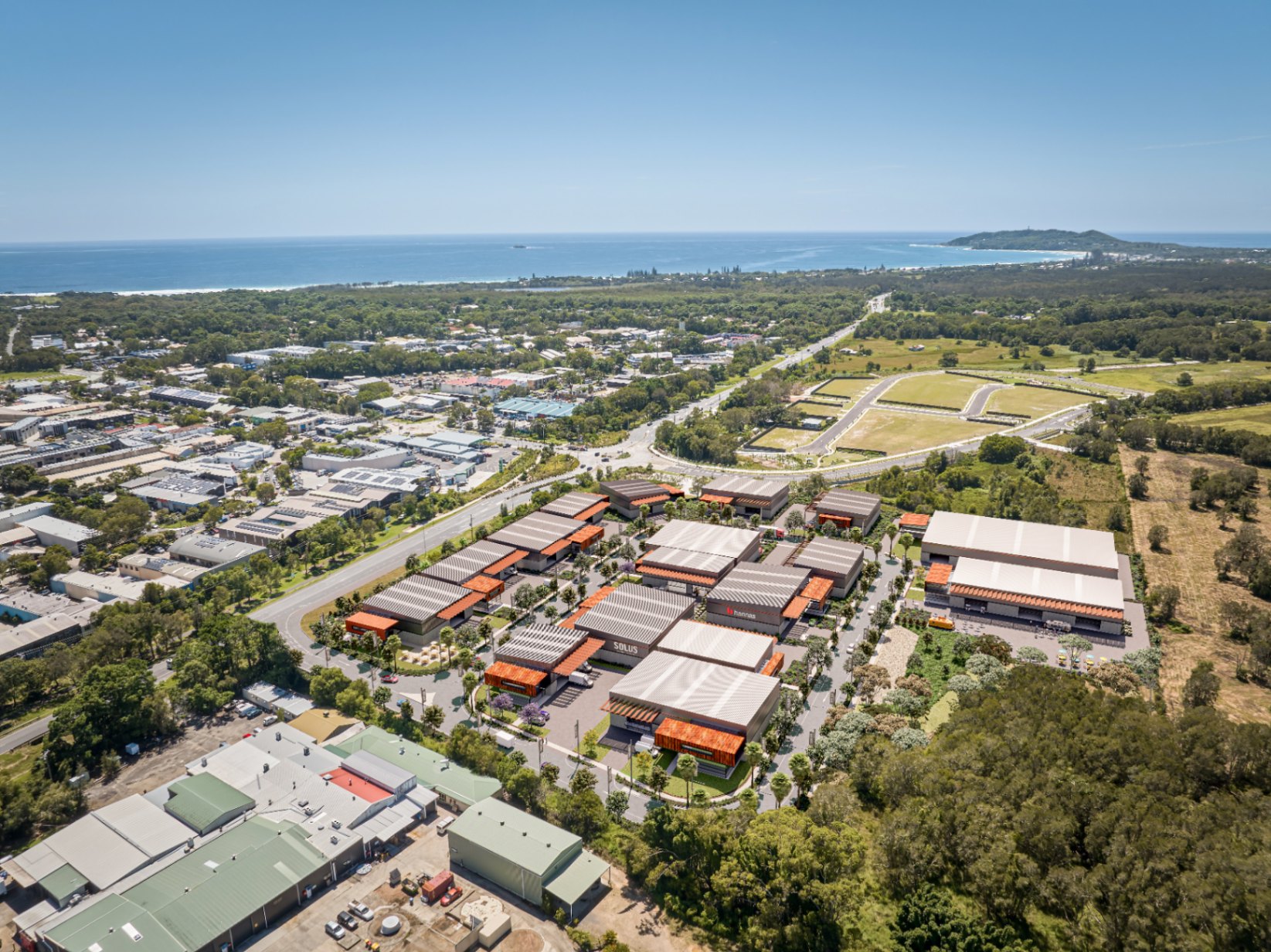 Coposit | Off the plan Sydney | Tips & Tricks for Industrial Property Investment | Byron Bay
 Solus Industrial Byron Bay | Secure with $20k and $12,513 x 25 weeks
Setting aside contingency funds for vacancies is not conservative. It is strategic.
Industrial property rewards investors who plan for gaps, not just income. When vacancy funds are built into your model, uncertainty becomes manageable.
Strong buffers turn vacancies into inconvenience rather than crisis. In industrial property, that difference defines long-term success.
Share this article



Follow Coposit:


© 2025 Copyright Coposit.