

It is one of the most consistently debated questions in residential property investment. And it rarely gets a satisfying answer because the right choice depends on factors that vary significantly by location, market cycle, and investment objective.
Here is how to think through the one-bedroom versus two-bedroom decision for investors in the current Australian market.
The starting point is the price difference. In most Australian apartment markets, a two-bedroom apartment costs between 20% and 40% more than a comparable one-bedroom in the same building.
In Sydney's inner suburbs, a one-bedroom apartment might be priced at $700,000 and a two-bedroom at $950,000, a $250,000 gap. In Brisbane's inner city, the equivalent gap might be $180,000 to $220,000. In Perth's northern suburbs, the gap is typically smaller.
That price gap is the core of the investment decision because it determines the deposit required, the mortgage size, the carrying costs, and ultimately the yield calculation.
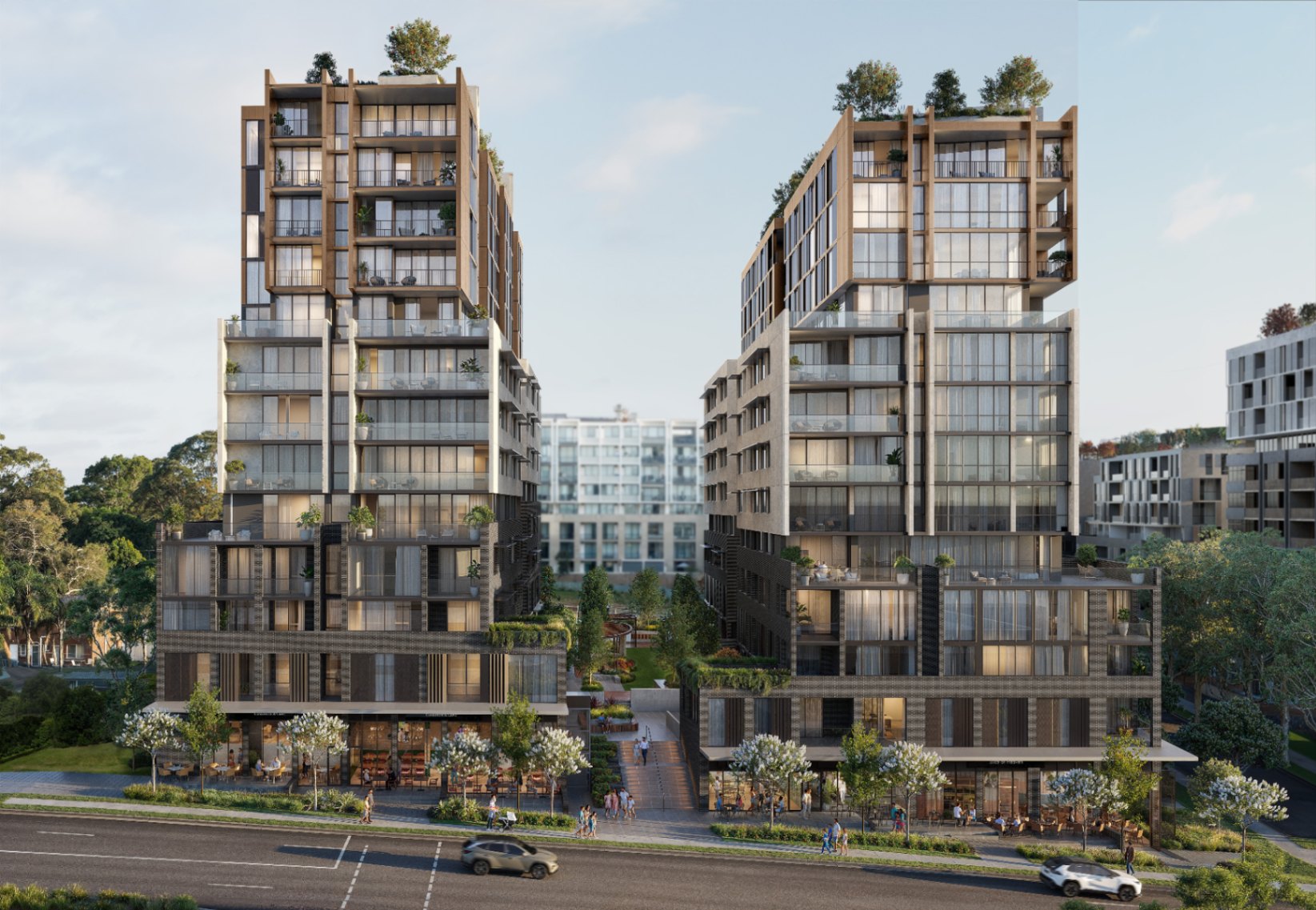 Coposit | Buy with $10K | Sydney Real Estate Market | Buy Property in NSW
Lily Lane | Castle Hill NSW | $10K deposit | Secure with $10k and $480 x 121 weeks
Gross yield is calculated as annual rent divided by purchase price. One-bedroom apartments consistently generate higher gross yields than two-bedroom apartments in the same building because the rent gap between the two configurations is smaller than the price gap.
If a one-bedroom apartment rents for $550 per week and a two-bedroom rents for $720 per week, a $170 per week difference, but the two-bedroom costs $250,000 more to purchase, the yield arithmetic works against the two-bedroom.
One-bedroom at $700,000: $550 per week = $28,600 annually = 4.09% gross yield. Two-bedroom at $950,000: $720 per week = $37,440 annually = 3.94% gross yield.
The two-bedroom delivers more rent in absolute terms but a lower return on capital deployed. For investors who are yield-focused, the one-bedroom is typically the stronger choice on this metric alone.
One-bedroom apartments have a larger potential tenant pool in most markets, singles, couples without children, students, young professionals. Two-bedroom apartments attract a different but often smaller pool in inner-city locations, couples who want a second bedroom for a home office, small families, or two co-renters sharing the cost.
However, two-bedroom apartments typically experience lower vacancy in suburban and family-oriented markets where the demand from families and sharers is strong and sustained. The right answer on vacancy depends on the specific location's tenant demand profile rather than a universal rule.
One consistent finding across most markets is that one-bedroom apartments in strong locations experience high demand from a broad tenant pool, while two-bedroom apartments in weaker locations can sit vacant for longer because the pool of tenants who can afford or want two bedrooms in that specific location is smaller.
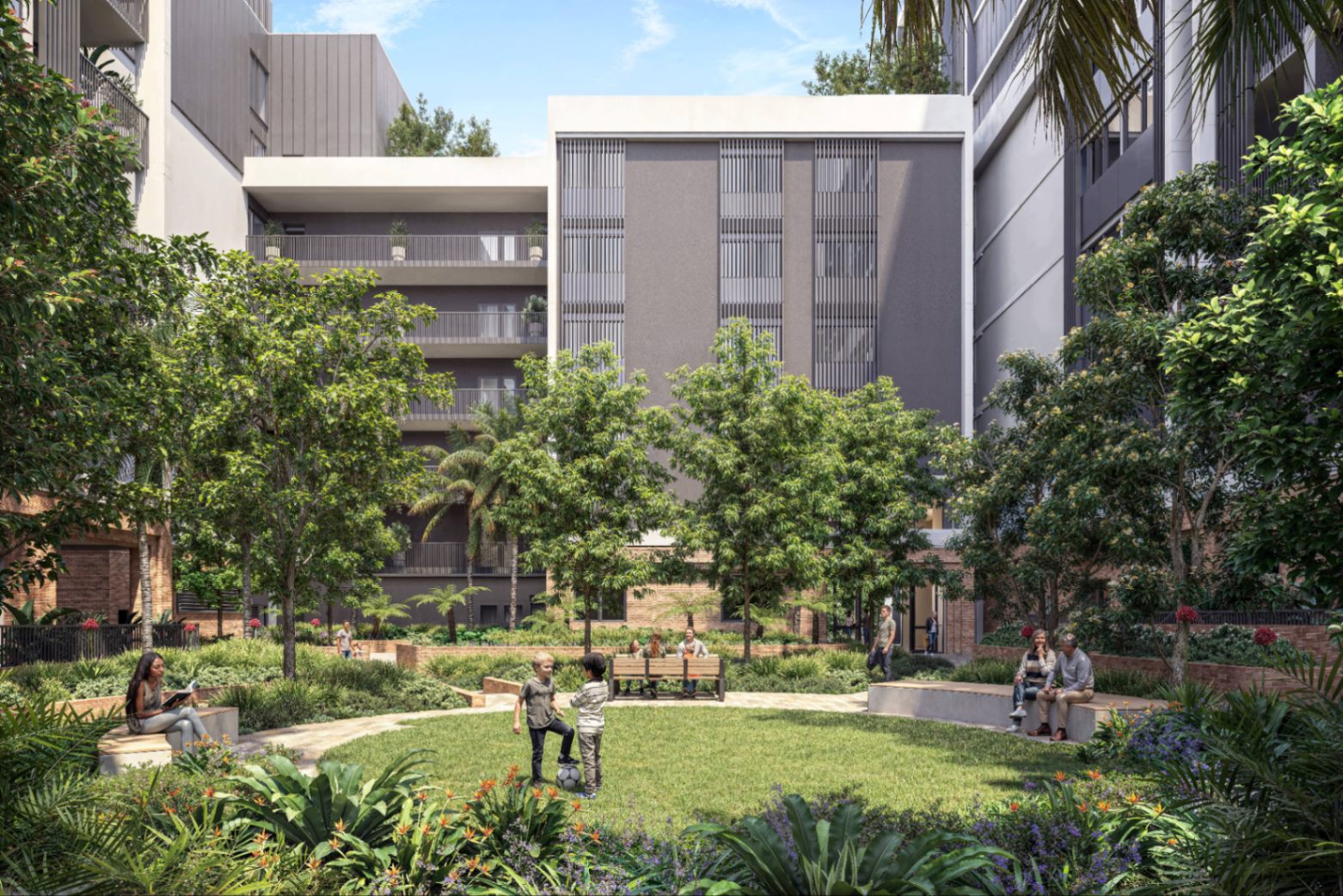 Coposit | Buy with $17K | Sydney Real Estate Market | Buy Property in NSW
Dawn | Melrose Park NSW | $17K deposit | Secure with $17k and $283 x 65 weeks
Two-bedroom apartments have historically outperformed one-bedroom apartments on capital growth in most Australian markets over medium to long holding periods.
The reasons are structural. Two-bedroom apartments serve a broader range of life stages, couples who buy as a first property, families who need a second bedroom, downsizers who want a guest room. As a result, the buyer pool at resale is larger and deeper for a two-bedroom than a one-bedroom, which supports stronger price outcomes in competitive markets.
One-bedroom apartments are more susceptible to supply cycles. In markets where significant new one-bedroom stock is delivered, the resale price can be compressed by competition from new supply. Two-bedroom apartments, which typically account for a smaller proportion of new supply, face less of this pressure.
For investors with a medium to long holding horizon who prioritise capital growth over immediate yield, the two-bedroom argument is stronger on this dimension.
New two-bedroom apartments attract higher depreciation deductions than new one-bedroom apartments in absolute terms, simply because they contain more plant and equipment, additional bedroom fixtures, larger kitchens, more floor space.
Under the 2026 budget settings that retained full negative gearing on new builds, the depreciation advantage of a new two-bedroom apartment over a comparable one-bedroom is a meaningful tax efficiency consideration for investors in higher marginal tax brackets.
The depreciation benefit does not change the yield calculation but it does change the after-tax cash flow, the actual money an investor keeps after accounting for rental income, mortgage costs, and tax. A higher-depreciation asset generates more tax deductions and therefore a better after-tax position at the same gross yield.
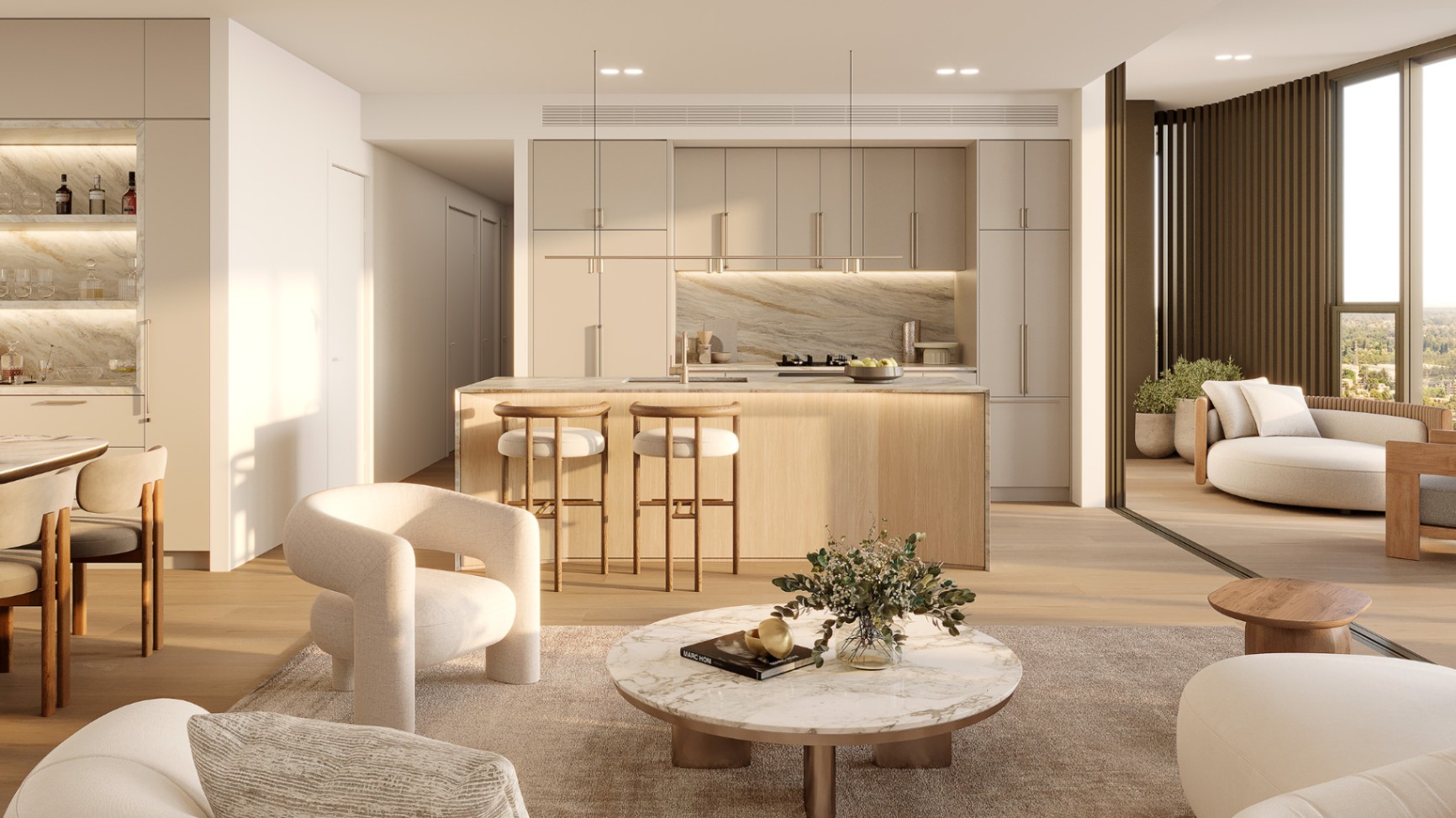 Coposit | Buy with $10K | Sydney Real Estate Market | Buy Property in NSW
Concord Central | Concord West NSW | $10K deposit | Secure with $10k and $402 x 157 weeks
Two-bedroom apartments offer flexibility that one-bedroom apartments do not.
An investor who purchases a two-bedroom apartment has the option to occupy one bedroom and rent the other, a strategy increasingly used by younger investors who want to enter the market while managing mortgage costs through rental income from a co-resident. This is not possible in a one-bedroom apartment.
A two-bedroom apartment can also serve as the investor's own home at a future point if their circumstances change, without the need to sell and repurchase.
For investors who are yield-focused and are purchasing in strong inner-city locations with a broad tenant pool, one-bedroom apartments often deliver a superior return on capital deployed.
For investors who are capital-growth-focused, have a longer holding horizon, and are purchasing in markets where family and co-renter demand is strong, two-bedroom apartments typically deliver better long-term outcomes.
The current budget environment, full negative gearing on new builds, higher depreciation on new construction, tilts the after-tax calculation toward new two-bedroom apartments in strong markets.
Through Coposit, both one-bedroom and two-bedroom configurations are available across the current listings in NSW, QLD, and WA. The weekly instalment amount and construction period vary by project and configuration.
Browse current investment listings on the Coposit projects page, download the app, or contact the team to understand which projects and configurations suit your investment strategy.
This article is general information only and does not constitute financial or investment advice. Always seek independent financial advice before making any investment decisions.
Share this article



Follow Coposit:


© 2025 Copyright Coposit.

