

It is one of the more practical questions buyers in Sydney and Melbourne face when comparing apartments, and one that rarely gets a straight answer.
Car spaces in inner-city and metro-connected apartments can add anywhere from $30,000 to $80,000 to the purchase price depending on the building, the suburb, and the scarcity of parking in the area. For a buyer who does not own a car and has no immediate plans to, that is a significant sum attached to an asset they may never use.
But the question is more nuanced than whether you personally need the parking. It is about resale, rental yield, and what that capital could otherwise buy.
In Sydney's inner suburbs and metro-connected growth corridors, a car space in a new apartment building typically adds between $30,000 and $60,000 to the purchase price. In tightly constrained inner-city addresses, Surry Hills, Pyrmont, Green Square, that premium can reach $80,000 or higher for a single space.
In Newcastle, the Gold Coast, and Perth's coastal suburbs, the premium is lower, typically $20,000 to $40,000, reflecting the lower density and greater availability of street parking in those markets.
The question for a car-free buyer is whether that premium is justified by the value it adds to the asset rather than the value it adds to their daily life.
This is the argument most often made for buying a car space even if you do not need one: at resale, a car space broadens your buyer pool.
It is a valid argument in most markets. The majority of apartment buyers, owner-occupiers and investors, do own a car or intend to. A one-bedroom apartment without a car space in a suburb with limited street parking is a property that some buyers will rule out before inspecting. A car space removes that filter entirely.
In suburbs with excellent transport connectivity and genuinely limited parking demand, Wentworth Point, Rhodes, inner-city Newcastle, the argument weakens. The buyer pool for car-free apartments is larger in those locations because a meaningful proportion of residents actively choose not to own a car.
In suburbs where car ownership is essentially required for daily life, outer growth corridors, areas without reliable public transport, an apartment without a car space is a materially harder sell at resale regardless of the buyer's current situation.
The honest answer is that the resale audience argument is strongest in suburbs where cars are the primary mode of transport and weakest in suburbs where they are genuinely optional.
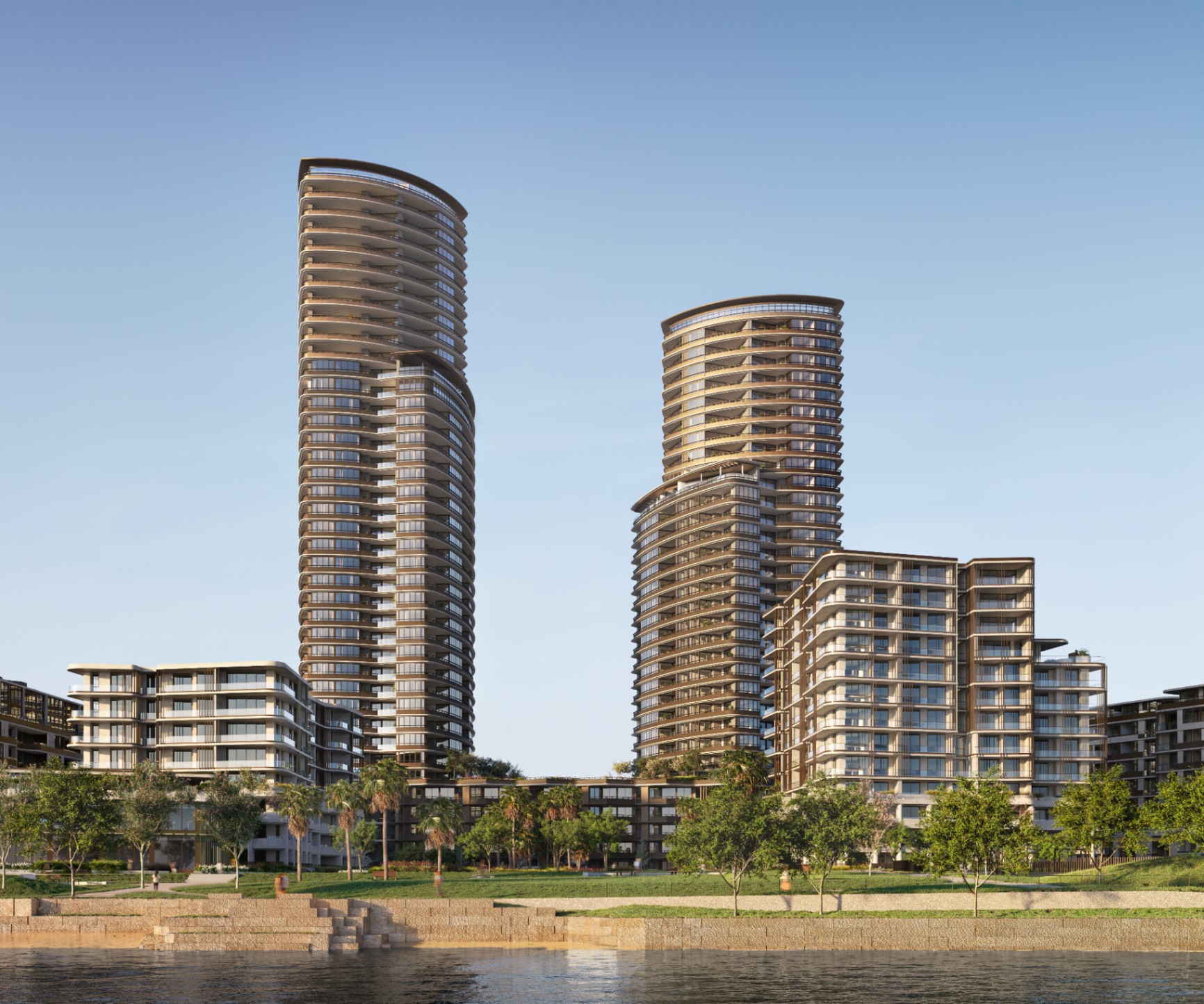 Coposit | Buy with $10K | Sydney Real Estate Market | Buy Property in NSW
Sanctuary | Wentworth Point NSW | $10K deposit | Secure with $21k and $233 x 91 weeks
For investors, the car space question has a specific dimension that owner-occupiers do not face.
A car space can be rented separately from the apartment in many buildings, either to the apartment tenant as part of the lease or, in some buildings, to external parties. In inner-city Sydney, a car space in a well-located building can command $200 to $400 per month in additional rental income.
Whether that rental income justifies the $30,000 to $60,000 purchase premium depends on the yield calculation. At $300 per month additional rent, the car space generates $3,600 annually, a yield of approximately 6% to 12% on the premium paid depending on the purchase cost. That is a reasonable yield for an asset with no management complexity.
However, the relevant comparison is not just the yield on the car space in isolation. It is the yield on the total capital deployed, car space premium included, compared to the alternative of deploying that capital elsewhere.
Skipping the car space is most defensible when all three of the following apply:
The apartment is within walking distance of a train station or metro stop. The suburb has adequate street parking or a low-car demographic that makes parking less contested. The capital saved by skipping the car space can be redirected toward a meaningfully better outcome, a larger apartment, a higher floor, a better-oriented unit, or a property in a stronger location.
The last point is where the decision often gets made in practice. For a buyer with a fixed budget, the $40,000 saved by skipping the car space might be the difference between a one-bedroom apartment in their preferred suburb and a two-bedroom apartment in a slightly less preferred one. That trade-off, more space versus a parking asset they will not use, is worth running explicitly rather than defaulting to "always buy the car space."
Even for buyers who do not currently own a car, there are circumstances where skipping the car space is likely to create problems.
If the suburb has genuinely limited street parking and high car ownership rates, a car-free apartment will narrow the resale audience meaningfully. If you anticipate changing your car-free status, a relationship, children, a job that requires a vehicle, the cost of adding a car space later (purchasing one separately if available, or renting indefinitely) typically exceeds the upfront premium.
If the building is large and the car space can be rented separately, the income stream may justify the premium even if you never park a car there yourself.
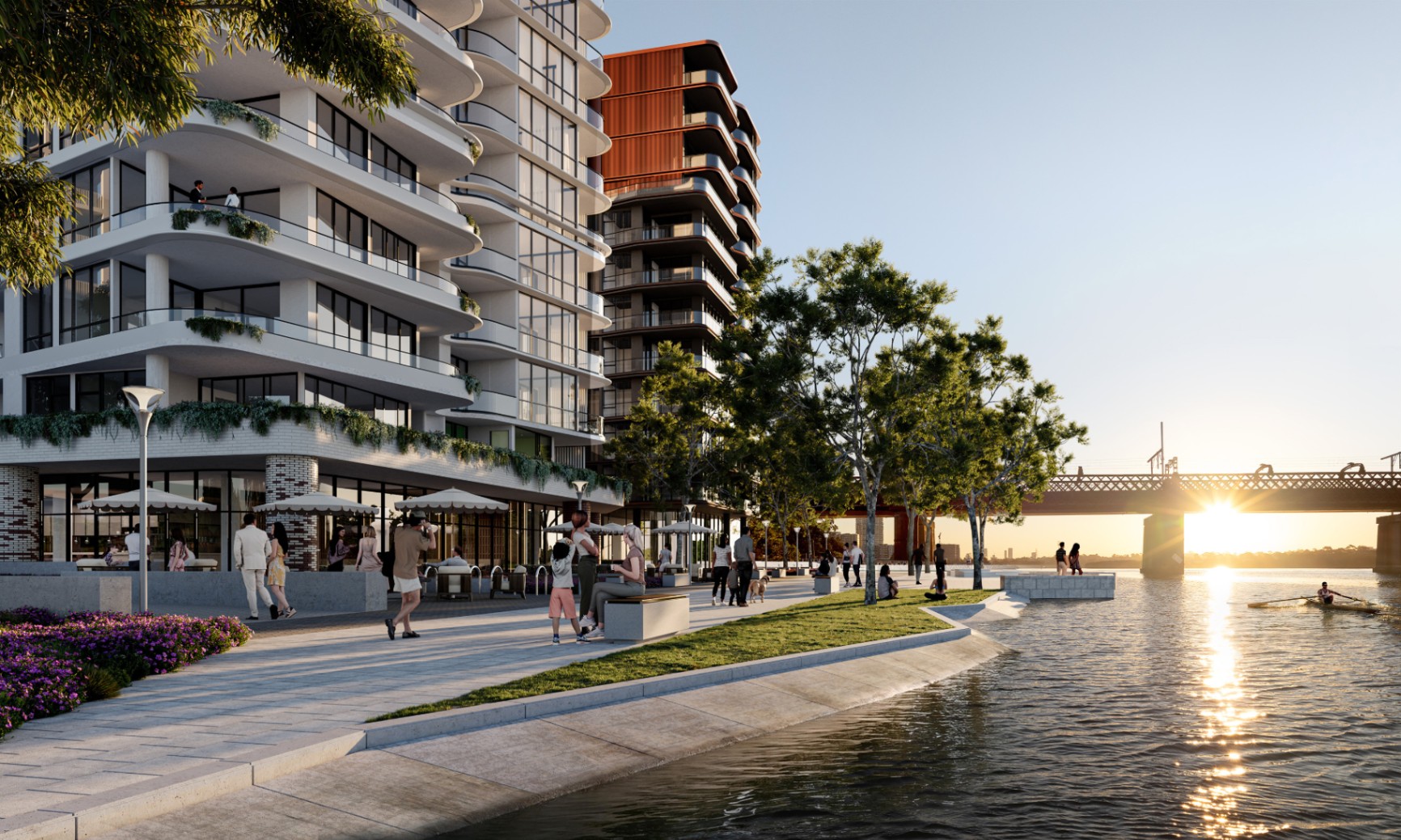 Coposit | Buy with $10K | Sydney Real Estate Market | Buy Property in NSW
Rhodes Bay | Rhodes NSW | $10K deposit | Secure with $10k and $859 x 39 weeks
The strongest case for skipping the car space is made by the transport infrastructure around the building.
Apartments within a genuine five-minute walk of a train station or metro stop serve a resident population that has already made a partial or complete decision to rely on public transport. At Wentworth Point, walking distance from the Parramatta River ferry and Olympic Park, the car-free lifestyle is genuinely liveable. At Rhodes, connected to the T1 Western Line, the same applies. At Tempo at Cambridge Quarter in Newcastle West, walking distance from the Newcastle Interchange, residents have direct access to the city's entire transport network without a car.
In these locations, the car space question tilts more clearly toward optional than essential.
The car space decision should not be made on the basis of your current lifestyle alone. It should be made on the basis of the resale audience in that specific suburb, the rental yield the space can generate if you are an investor, the alternative use of the capital if you skip it, and your realistic expectation of whether your transport needs will change.
In transport-connected suburbs with low car dependency, skipping the car space and redirecting the capital toward a better apartment is often the stronger decision. In car-dependent suburbs with limited street parking, the car space premium is usually justified by the resale and rental audience it protects.
Browse current metro-connected listings on the Coposit projects page, download the app, or contact the team to understand which projects offer the strongest transport connectivity.
This article is general information only and does not constitute financial or property advice. Always seek independent advice before making any property decisions.
Share this article



Follow Coposit:


© 2025 Copyright Coposit.

