

One of the most common strategic decisions in Australian property purchasing is the choice between an established suburb and an emerging growth corridor. Both can produce strong outcomes. Both carry risks. The right choice depends on what the buyer is trying to achieve and what they can accept.
Established suburbs have a track record. You can look at comparable sales going back years, assess how values have performed through different market cycles, understand the rental market and tenant demand, and make decisions based on evidence rather than projections.
The amenity in established suburbs is known and real. The cafes exist. The schools are in operation. The parks are built. The community has formed. You are not buying on the promise of future amenity that may or may not materialise on the timeline the developer or government projects.
Established suburbs also tend to have deeper buyer and tenant pools. More people want to live there, which supports rental demand and resale competition. In a falling market, established premium suburbs typically hold their value better than emerging growth corridors because the underlying demand is more durable and the buyer pool is broader.
The trade-off is price. Established suburbs are more expensive because the certainty and amenity they offer is priced in. The buyer pays for what already exists rather than what might be built.
 Coposit | Buy with $10K | Sydney Real Estate Market | Buy Property in NSW
Concord Central | Concord West | $10K deposit | Secure with $10k and $415 x 152 weeks
New growth corridors can offer entry prices that established suburbs cannot. A buyer who cannot afford to purchase in an established inner suburb may be able to purchase in a growth corridor at a price point that allows genuine market participation rather than perpetual saving toward a target that keeps moving.
Growth corridors also offer the potential for above-average capital appreciation if the infrastructure investment and population growth that underpins them materialises as projected. Buying ahead of the curve in a suburb that is genuinely developing into a mature community can produce strong returns over a medium to long holding period.
New property in growth corridors also offers the full tax efficiency available to new builds under current budget settings: full negative gearing, maximum depreciation deductions, and in many cases first home buyer stamp duty concessions that do not apply to established property.
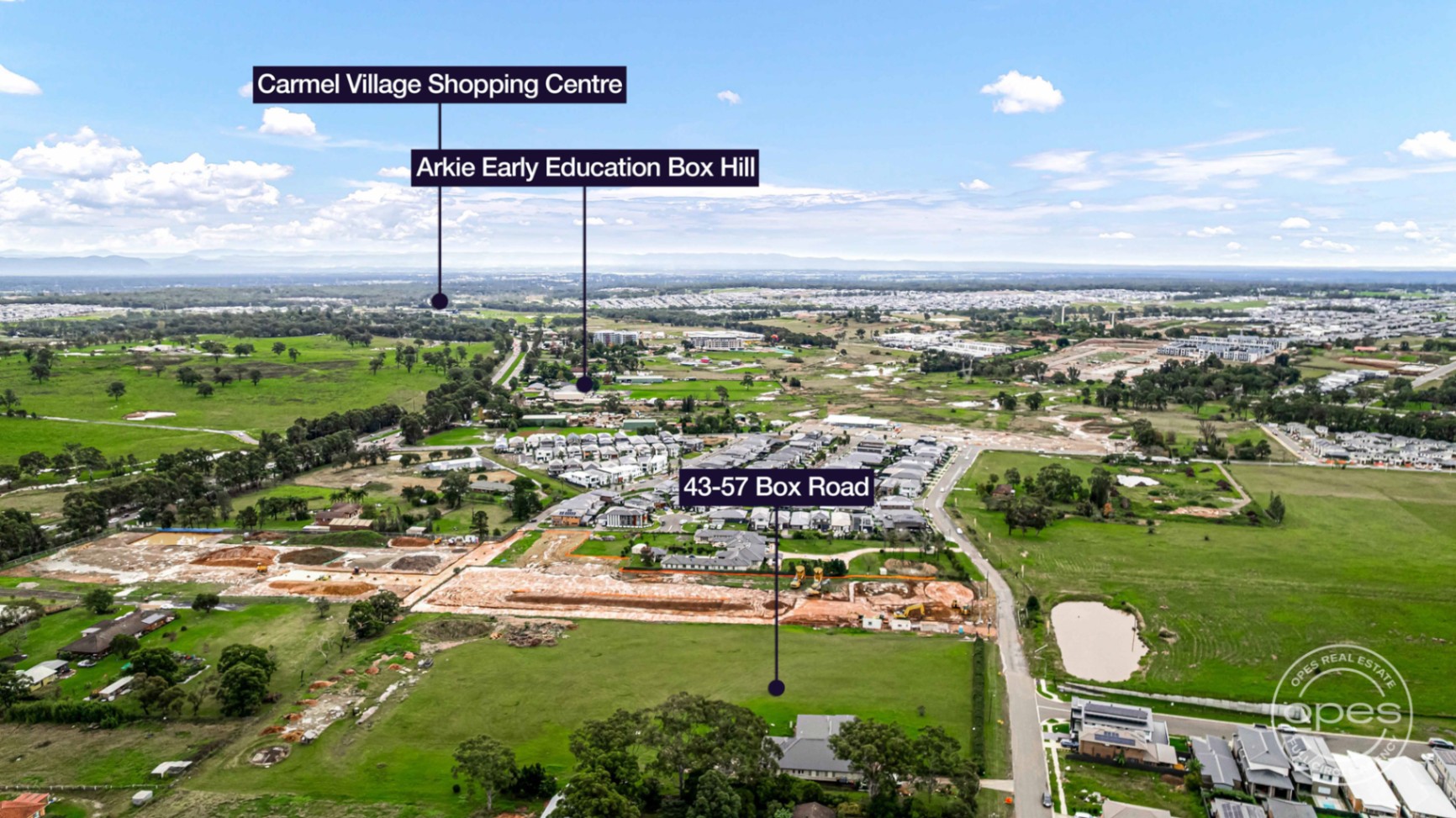 Coposit | Buy with $10K | Sydney Real Estate Market | Buy Land in NSW
Box Hill Quarter - Stage 2 | Box Hill NSW | $10K deposit | Secure with $10k and $419 x 62 weeks
The risk in growth corridors is that the projected growth does not materialise on the timeline assumed when the purchase was made, or that the supply of new properties in the corridor is so significant that it suppresses values at settlement.
Many Australian growth corridors have experienced significant supply gluts at various points. When thousands of new apartments settle in the same suburb in the same period, the rental market and the resale market are both tested simultaneously. Vacancy rates rise, rents soften, and values can fall below contracted purchase prices.
The best growth area purchases are in corridors where the infrastructure investment is genuine and funded, the population growth is structural rather than speculative, and the new supply is being absorbed by genuine end-user demand rather than investors who may sell simultaneously if market conditions change.
Check whether the infrastructure investment that underpins the growth story is funded, approved, and under construction rather than planned or proposed. A metro line that is under construction is a different risk from one that is on a 15-year planning horizon with no committed funding.
Research the vacancy rates and rental yields for comparable properties already delivering in the suburb. If existing stock is generating the yields projected for the new development, the demand is real. If existing stock is struggling to find tenants at projected rents, the demand assumptions may be overstated.
Assess the supply pipeline carefully. How many new apartments are planned or approved in the same suburb? A suburb with one new project has materially less supply risk than one with eight concurrent projects all targeting the same buyer and tenant demographic.
Read Is It Better to Buy the Best Apartment in a Cheaper Suburb or a Cheaper Apartment in a Premium Suburb for a complete framework on the location versus property quality trade-off.
Browse current Coposit listings on the projects page, download the Coposit app, or contact the Coposit team to discuss the location fundamentals for specific projects.
This article is general information only and does not constitute financial or investment advice. Always seek independent advice before making any property decisions.
Share this article



Follow Coposit:


© 2025 Copyright Coposit.

