

If you are renting in Australia right now, you are already paying a significant amount of money every week toward someone else's mortgage.
That money is gone. It builds nothing for you. And while it leaves your account, you are also supposed to be saving for a deposit on a property of your own.
For most renters, those two things are in direct competition. The more rent costs, the less there is to save. And rents across Sydney, Brisbane, Perth, and the Gold Coast have not been falling.
Spreading your deposit over time does not solve every problem a renter faces. But it changes the one that matters most.
The conventional deposit advice -- save 10 to 20 per cent before you buy -- assumes saving happens in a vacuum. It assumes your income is stable, your costs are manageable, and your rent is not eating a significant portion of what you earn.
For renters in Australian capital cities in 2026, none of those assumptions hold reliably.
The average Sydney renter spends more than 30 per cent of their income on housing before anything else. After rent, groceries, transport, utilities, and the occasional unexpected cost, the amount left for genuine deposit saving is often far smaller than the theoretical savings rate suggests.
The result is a cycle that is genuinely difficult to break. High rent reduces savings capacity. Lower savings means a longer timeline to a deposit. A longer timeline means more years renting. More years renting means more money going to a landlord rather than toward ownership.
At some point, renting becomes more expensive than a mortgage would be -- but getting the mortgage requires a deposit that the rent has been preventing you from saving. That is the trap.
 Coposit | Buy with $10K | Sydney Real Estate Market | Buy Property in Castle Hill NSW
Avenue | Castle Hill NSW | $10K deposit | Secure with $10k and $699 x 93 weeks
When a renter secures an off-the-plan property through Coposit, they commit $10,000 upfront and pay the remaining deposit in weekly instalments over the construction period.
Here is what that changes for a renter specifically.
You stop competing with yourself. Instead of trying to save a large lump sum while paying rent, you direct a fixed weekly amount toward your deposit. That weekly instalment is not a savings goal -- it is a committed payment toward a property you have already secured.
You lock in today's price. The property is secured at the price agreed at signing. If the market moves during the construction period, you settle at the original price. Renters who wait until they have saved the full deposit are saving toward a moving target. Buyers who have already committed are not.
You continue renting while you build toward ownership. The off-the-plan model means you do not need to move immediately. You stay in your current rental, pay your weekly deposit instalments, and move when the property is ready. The two things -- renting now and owning later -- run in parallel rather than in opposition.
You replace an intention with a commitment. A savings plan is something you intend to do. A weekly instalment toward a property you have already secured is something you have already committed to doing. That is a fundamentally different psychological position -- and a more effective one for most people.
Not every renter is in the same position. The Coposit model suits renters who have $10,000 available now and can sustain a fixed weekly payment over the construction period on top of their existing rent.
That sounds like a lot. But for many renters, the weekly instalment is comparable to what they are already putting aside for savings -- except now it is directed toward a specific property rather than sitting in an account waiting to reach an arbitrary threshold.
It is particularly well suited to renters who:
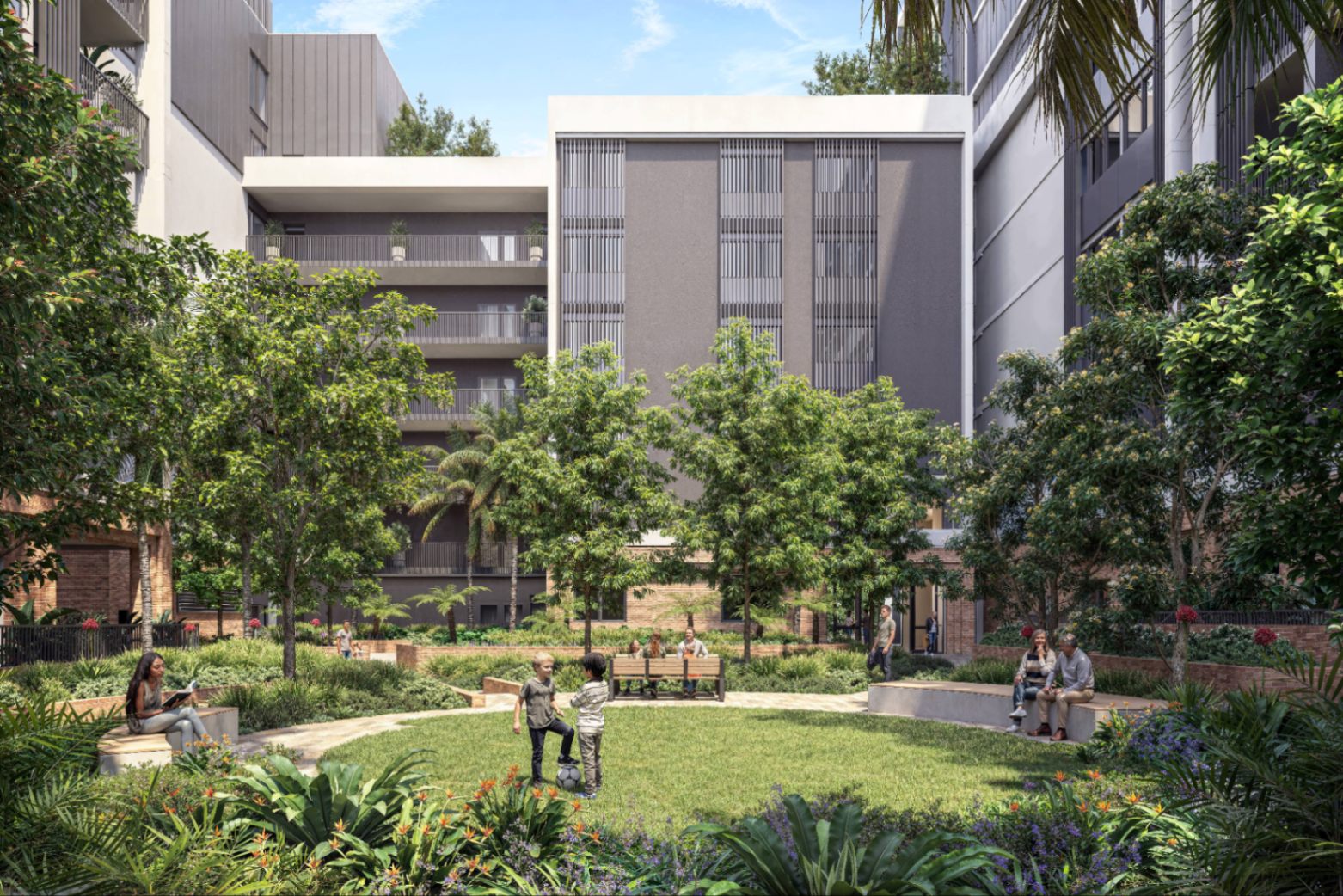 Coposit | Buy with $17K | Sydney Real Estate Market | Buy Property in NSW
Dawn | Melrose Park NSW | $17K deposit | Secure with $17k and $236 x 78 weeks
The weekly instalment does not replace rent. During the construction period, renters are paying both their existing rent and the weekly deposit instalment. That means understanding whether your income can comfortably support both before you commit is essential.
Settlement requires a home loan. When the property is ready, buyers need finance to cover the purchase price minus the deposit already paid. Lenders assess borrowing capacity at settlement based on income, expenses, and credit history at that time. Getting an early assessment of your likely borrowing capacity is a useful first step before committing to any purchase.
The construction timeline gives you time. Most off-the-plan properties through Coposit have 12 to 24 months until settlement. That is time to strengthen your financial position, reduce other debts, and prepare for the home loan process -- while your deposit is already being built week by week.
The rental cycle is hard to break because it is self-reinforcing. Rent consumes the income that would otherwise build a deposit. The deposit that would end the rent dependence stays just out of reach.
Spreading the deposit over time does not eliminate that tension. But it restructures it. Instead of trying to save a lump sum while paying rent in full, you are paying a smaller weekly amount toward your deposit while your rent remains what it is.
The property is already secured. The price is locked in. And every week, you are closer to owning it.
Browse eligible developments across NSW, QLD, and WA on the Coposit projects page , download the Coposit app to explore what's available, or contactthe team to understand which project and instalment structure suits your situation.
Share this article



Follow Coposit:


© 2025 Copyright Coposit.