

The idea sounds almost too simple. What if the things you need most — your grocery store, your GP, your child's school, a park, a café, your workplace — were all within 15 minutes of your front door? Not a 15-minute drive. A 15-minute walk, cycle, or short trip on public transport.
This is the premise behind the 15-minute city, an urban planning concept that has moved from academic discussion into mainstream policy conversations across Australia and internationally. It is not a new idea, but it is one that is gaining renewed urgency as cities grapple with congestion, housing affordability, mental health, and the long-term costs of urban sprawl.
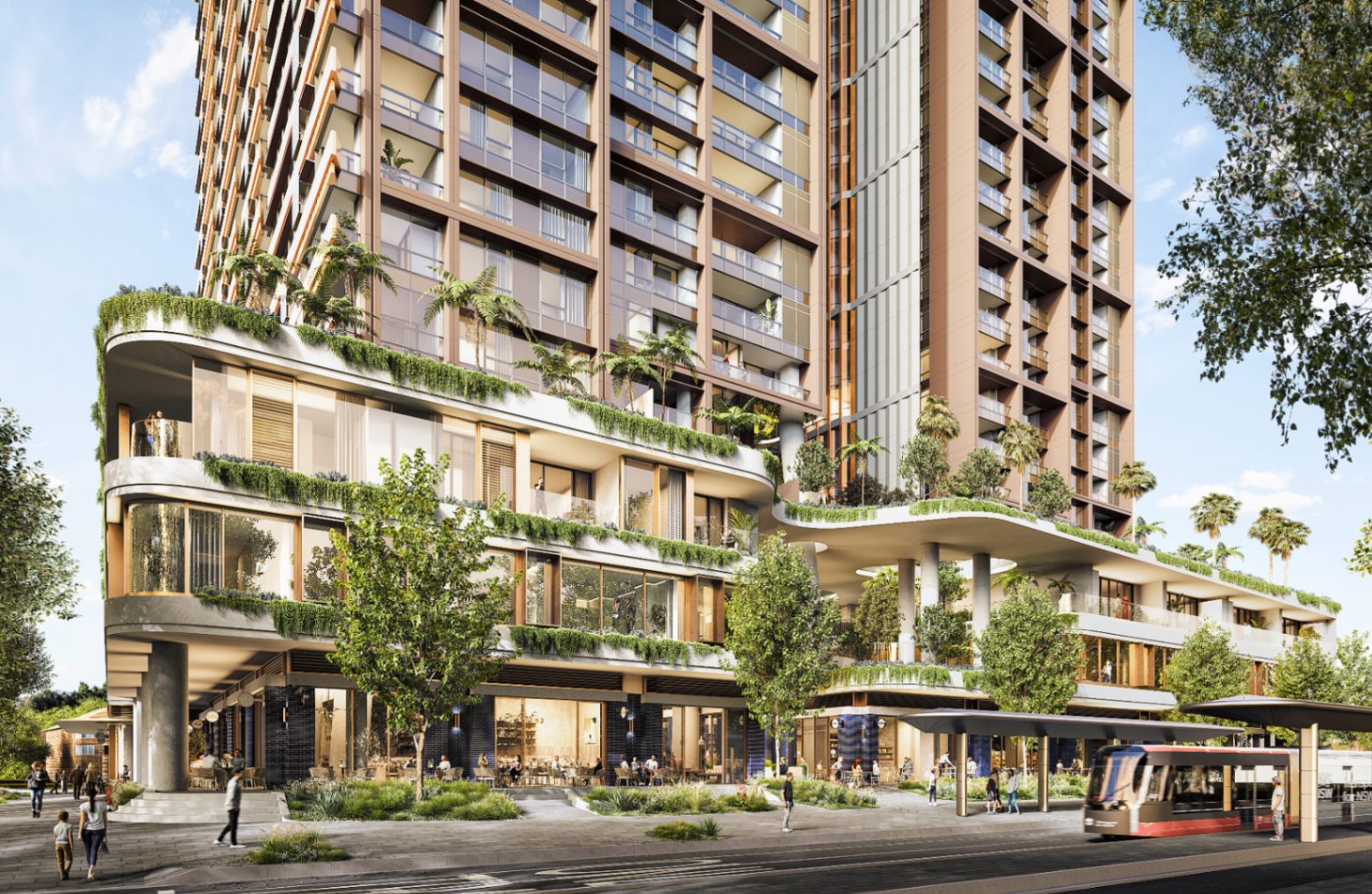 Coposit | Buy with $10K | Parramatta Real Estate Market | Buy Property in NSW
Cosmopolitan | Parramatta NSW | $10K deposit | Secure with $10k and $908 x 70 weeks
The concept was popularised by French-Colombian urbanist Carlos Moreno, who proposed that a truly liveable city is one where every resident can access six essential functions within 15 minutes of their home: living, working, commerce, healthcare, education, and leisure.
The key distinction from older ideas about compact urban living is that the 15-minute city is not about density for its own sake. It is about proximity and mix. A high-rise apartment in a suburb with no services nearby does not meet the brief. A medium-density neighbourhood with a school, a library, a medical centre, local businesses, and green space on the same streets does.
In practical terms, what this looks like varies. In Paris, it has influenced decisions about which roads to convert to cycling lanes and where to invest in local services. In Melbourne, the concept has informed planning frameworks that aim to strengthen activity centres across the metropolitan area rather than concentrating everything in the CBD.
Australian cities have historically developed around the private car. Sydney, Melbourne, Brisbane, and Perth all feature large outer suburban areas where residents are highly dependent on driving to access employment, education, and services. The time and financial cost of this dependency has been well documented, but it has rarely been treated as a structural planning problem with structural solutions.
That is starting to change. Several forces are converging to make the 15-minute city more than just a theoretical ideal.
Remote and hybrid work has redistributed where people spend their time. Residents who no longer commute daily have greater incentive to invest in their immediate neighbourhood and greater need for local services, workspaces, and amenity. Suburbs that can meet those needs have become more attractive to live in, not just to sleep in.
Infrastructure investment patterns are also shifting. The argument for concentrating public transport, healthcare, schools, and commercial precincts exclusively in CBDs and established inner suburbs is harder to sustain when population growth is occurring predominantly in middle and outer ring suburbs. Planning agencies in all major Australian cities are developing frameworks that recognise the need for stronger local centres.
 inventory-img-1793320775772d
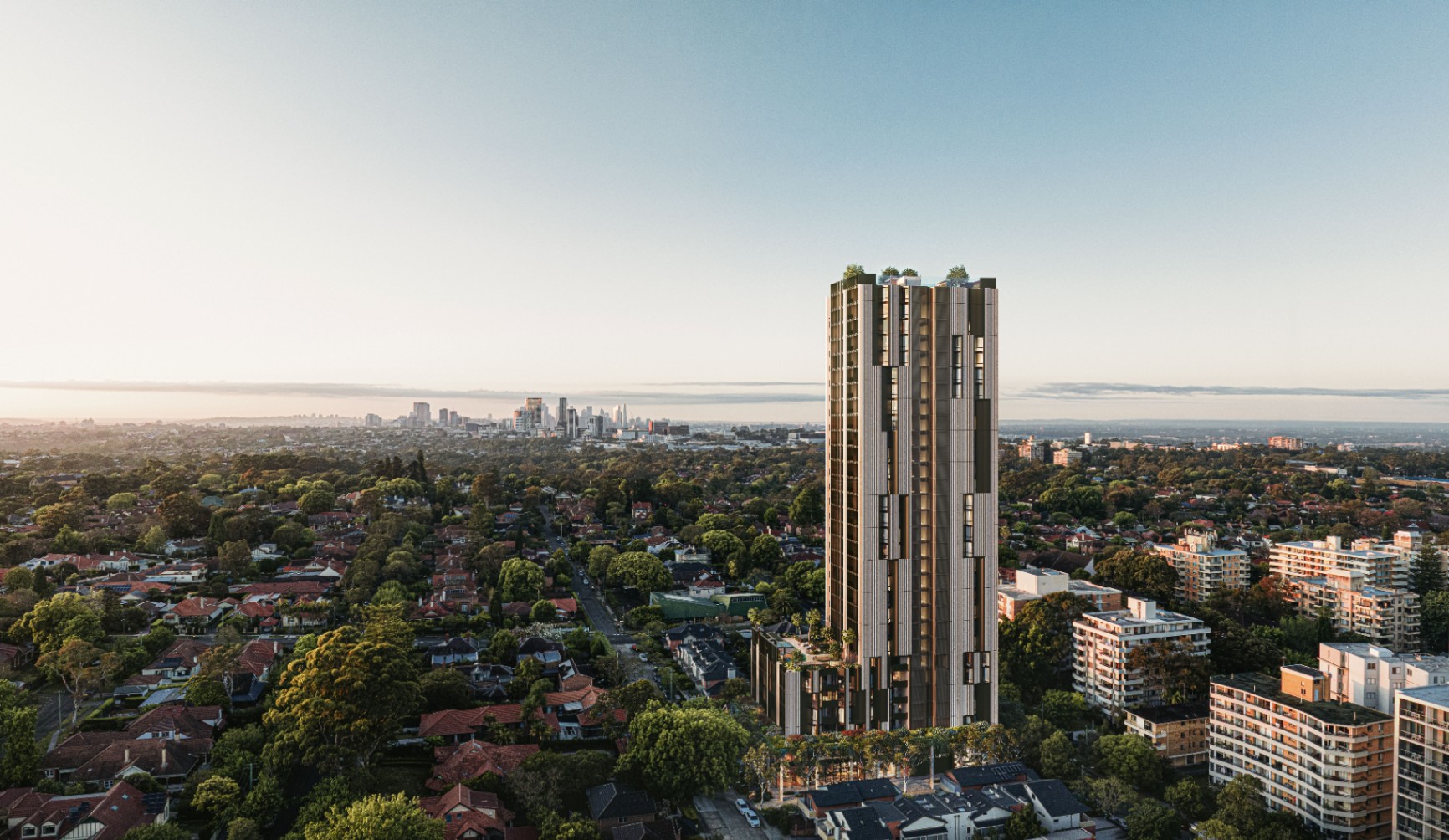
Celine | Chatswood NSW | $10K deposit | Secure with $10k and $658 x 152 weeks
For property buyers and developers, the 15-minute city concept has practical implications that go beyond planning theory.
Suburbs that offer genuine local amenity, including walkable access to schools, retail, parks, and public transport, have consistently attracted price premiums in the Australian market. What the 15-minute city framework does is give urban planners, developers, and buyers a more precise lens for evaluating what local amenity actually means and how to measure it.
New residential developments that are positioned alongside planned infrastructure investment, activity centre upgrades, or transport improvements are essentially betting on the 15-minute city coming to them. When those bets are well-placed, the result is a neighbourhood that becomes more liveable and more valuable as the surrounding services fill in.
Why infrastructure drives long-term property value in outer suburbs explores this relationship between planned investment and property performance in more detail.
The 15-minute city faces genuine obstacles in the Australian context. Land use zoning in many suburbs still separates residential, commercial, and industrial uses in ways that make mixed-use neighbourhoods difficult to develop. Car-oriented street design makes walking and cycling less practical even when destinations are technically close enough. And the economics of local retail in lower-density areas can make it difficult for the kinds of businesses that make a neighbourhood functional to survive.
There is also a question of equity. Not everyone gets to live in a well-serviced neighbourhood. The suburbs most likely to achieve genuine 15-minute living are often the ones that are already well-resourced. Making the concept work for outer suburban communities requires deliberate investment, not just planning policy.
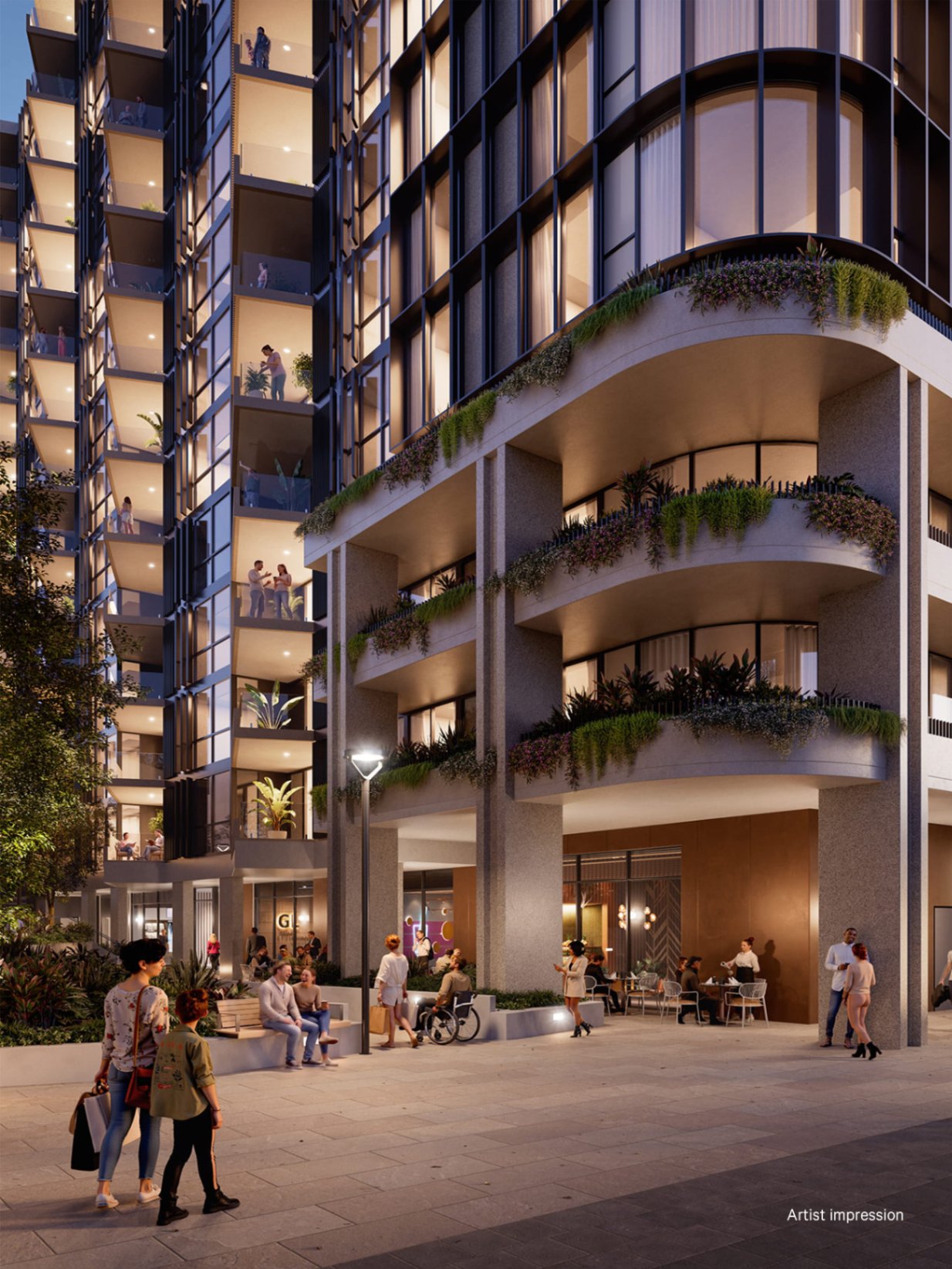 Coposit | Buy with $10K | Newcastle Real Estate Market | Buy Property in NSW
Era | New Castle NSW | $10K deposit | Secure with $10k and $1,363 x 58 weeks
The 15-minute city is already influencing how new residential projects are being assessed, marketed, and purchased in Australia. Proximity to services and transport is increasingly quantified and highlighted in project materials. Developers are factoring local amenity into site selection decisions in ways that go beyond conventional catchment analysis.
For buyers, particularly first home buyers who may be looking further from the CBD to find something affordable, understanding what a suburb is moving toward, not just what it offers today, is becoming a more important part of the decision. A suburb with strong infrastructure fundamentals and a clear pipeline of service investment can offer the foundations of 15-minute living even before the full picture is in place.
How to evaluate a property location beyond the price tag covers the practical side of assessing a suburb's trajectory.
The 15-minute city will not arrive everywhere at once. But the direction of travel in Australian urban planning is increasingly toward the idea that where you live should work for you, not just shelter you. That shift is already visible in how new developments are positioned, how infrastructure investment is being prioritised, and how buyers are making decisions about where they want to put down roots.
To see current developments that combine affordability with strong local fundamentals, browse the Coposit projects page, download the Coposit app, or contact the team.
Share this article



Follow Coposit:


© 2025 Copyright Coposit.

