

For most of the twentieth century, owning a home was the default trajectory for adult Australians. You finished school or university, you worked, you saved, you bought. The timeline might vary but the destination was assumed. Homeownership was the marker of adulthood, the foundation of financial security, and the clearest signal that you had made it.
That assumption no longer holds in the same way. The meaning of homeownership for young Australians is changing, not because younger generations have abandoned the aspiration, but because the conditions around it have changed so profoundly that the relationship between aspiration and reality has fractured in ways previous generations did not face.
The numbers are stark. In 1966, nearly three quarters of Australian households owned their home outright or with a mortgage. By 2021, that figure had fallen to approximately 63%. Among Australians aged 30 to 34, only 50% now own a home. In New South Wales, the figure is closer to 45%.
The time required to save a 20% deposit on a median-income household has stretched beyond eight years in most Australian capital cities, up from approximately six years in the early 2000s. Entry-level homes, the properties first home buyers have historically targeted, have increased in price faster than premium properties in most capital cities since 2022, making the starting point harder to reach even as median prices receive most of the public attention.
These are not temporary conditions created by a single economic event. They reflect structural changes to the relationship between wages, property prices, and the capital required to enter the market.
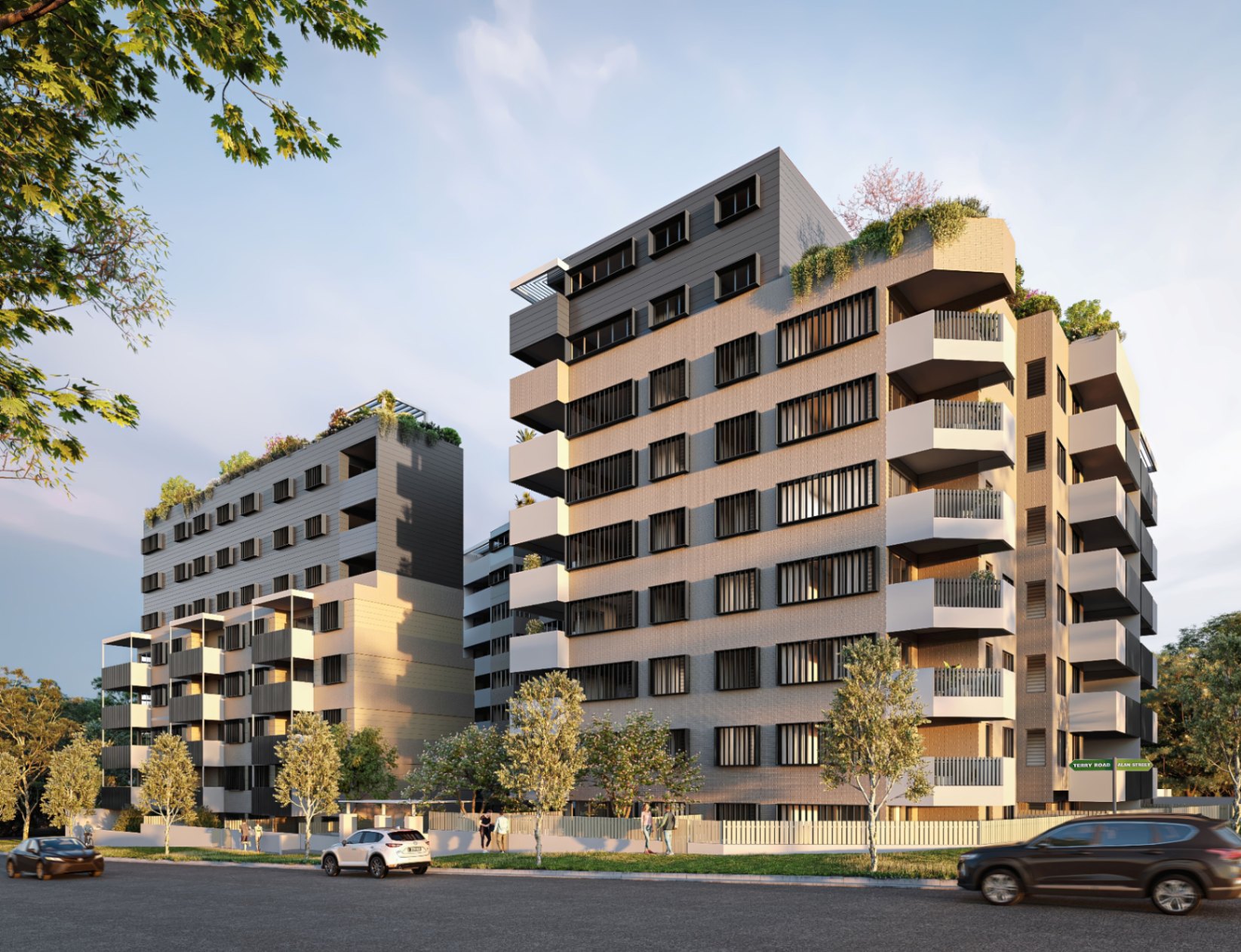 Coposit | Buy with $10K | Sydney Real Estate Market | Buy Property in NSW
Sky Box Hill | Box Hill NSW 2765 | $10K deposit | Secure with $10k and $520 x 104 weeks
The aspiration itself has not changed. Survey data consistently shows that the overwhelming majority of young Australians still want to own a home. A 2026 Consumer Pulse survey found that four in five young Australians said they would like to buy a home. The desire is present. The financial pathway is what has become significantly harder.
What has changed is the timeline, the sacrifice required, and the certainty that sacrifice will eventually be rewarded. A generation that watched their parents buy in suburbs that subsequently doubled and tripled in value understands that property can be life-changing. What they are grappling with is whether the same outcome is available to them and what they would have to give up to achieve it.
For many young Australians, the answer has become less about whether to pursue homeownership and more about when, where, and how -- and what model of ownership makes the most sense given the conditions they are actually operating in.
It would be incomplete to frame the change in homeownership patterns purely as a story of financial exclusion. Lifestyle choices are also genuinely shifting.
Young Australians are staying in education longer, delaying family formation, and prioritising experiences, flexibility, and urban living in ways that their parents did not. These are not simply responses to being priced out of the market. They reflect genuine changes in how younger generations understand a good life and what they want from it in their twenties and thirties.
The suburbs their parents bought in, quiet, car-dependent, family-oriented, further from the city, are not always where young Australians want to live. The locations they do want to live in are among the most expensive in the country. The combination of genuine lifestyle preference for urban, walkable, connected environments and the price premium those environments carry creates a real tension that is not resolved simply by saying young people should move further out.
Homeownership in Australia has always been about more than shelter. It has been the primary vehicle for wealth accumulation for the middle class. Superannuation provides a retirement income floor, but for most Australians it is the family home that provides the real financial security of later life.
As homeownership rates decline among younger Australians, the wealth divide between those who own and those who do not is widening. Owner-occupiers build equity as values appreciate. Renters do not. Over a 20 or 30-year period, the compounding effect of this difference is significant. The implications for retirement security, intergenerational wealth, and social cohesion are already being discussed by economists and policymakers.
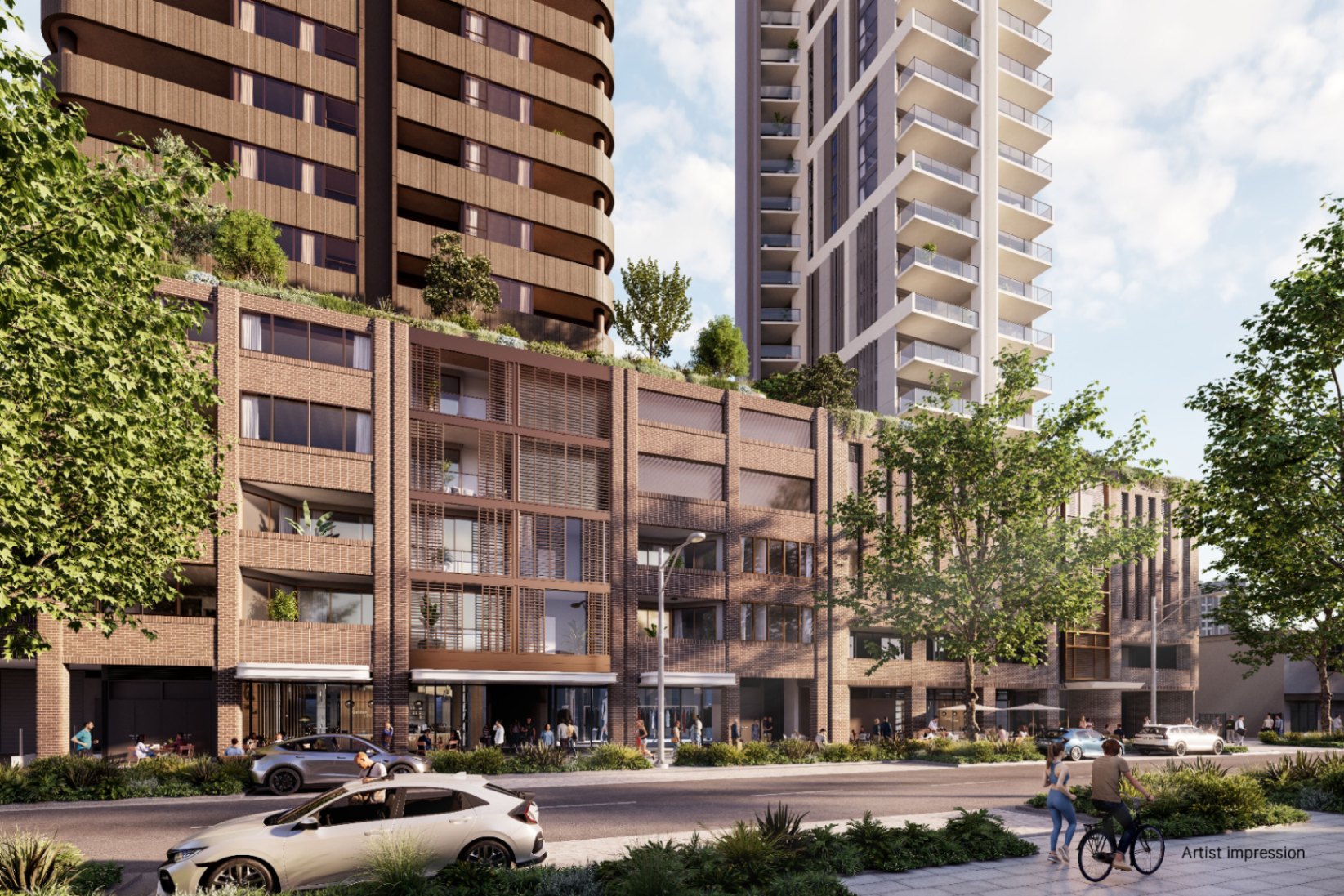 Coposit | Buy with $10K | Newcastle Real Estate Market | Buy Property in NSW
Tempo | Newcastle West NSW | $10K deposit | Secure with $10k and $944 x 71 weeks
The changing conditions are producing new approaches to homeownership that were largely absent from the Australian market a decade ago. Shared equity schemes, government guarantee products, rent-to-buy structures, and progressive deposit models like Coposit are all responses to the same underlying problem: the lump sum deposit requirement at exchange is the primary barrier for buyers whose income could support a mortgage but whose savings cannot reach the conventional deposit threshold.
These models do not change the fundamental economics of property ownership. The mortgage still needs to be serviced. The price still needs to be paid. But they change the pathway to the moment of purchase in ways that make homeownership accessible to buyers who are currently locked out despite being financially capable of sustaining it once achieved.
Read Can You Buy Off the Plan Before You Have Saved Your Full Deposit for a complete guide to how progressive deposit models work for first home buyers.
Read How Coposit Compares to a Standard 10% Deposit for a complete explanation of how the deposit structure affects the pathway to ownership.
Browse current listings on the Coposit projects page, download the Coposit app, or contact the Coposit team to understand which models and projects suit your situation.
This article is general information only and does not constitute financial advice. Always seek independent financial advice before making any property decisions.
Share this article



Follow Coposit:


© 2025 Copyright Coposit.

