

Getting approved for a home loan and being able to sustainably afford to own the home that loan buys are not the same thing. This distinction matters more than it is usually acknowledged in conversations about housing affordability, and failing to understand it is one of the more common ways first home buyers create financial stress in the years after their purchase.
 Coposit | Buy with $10K | Sydney Real Estate Market | Buy Property in NSW
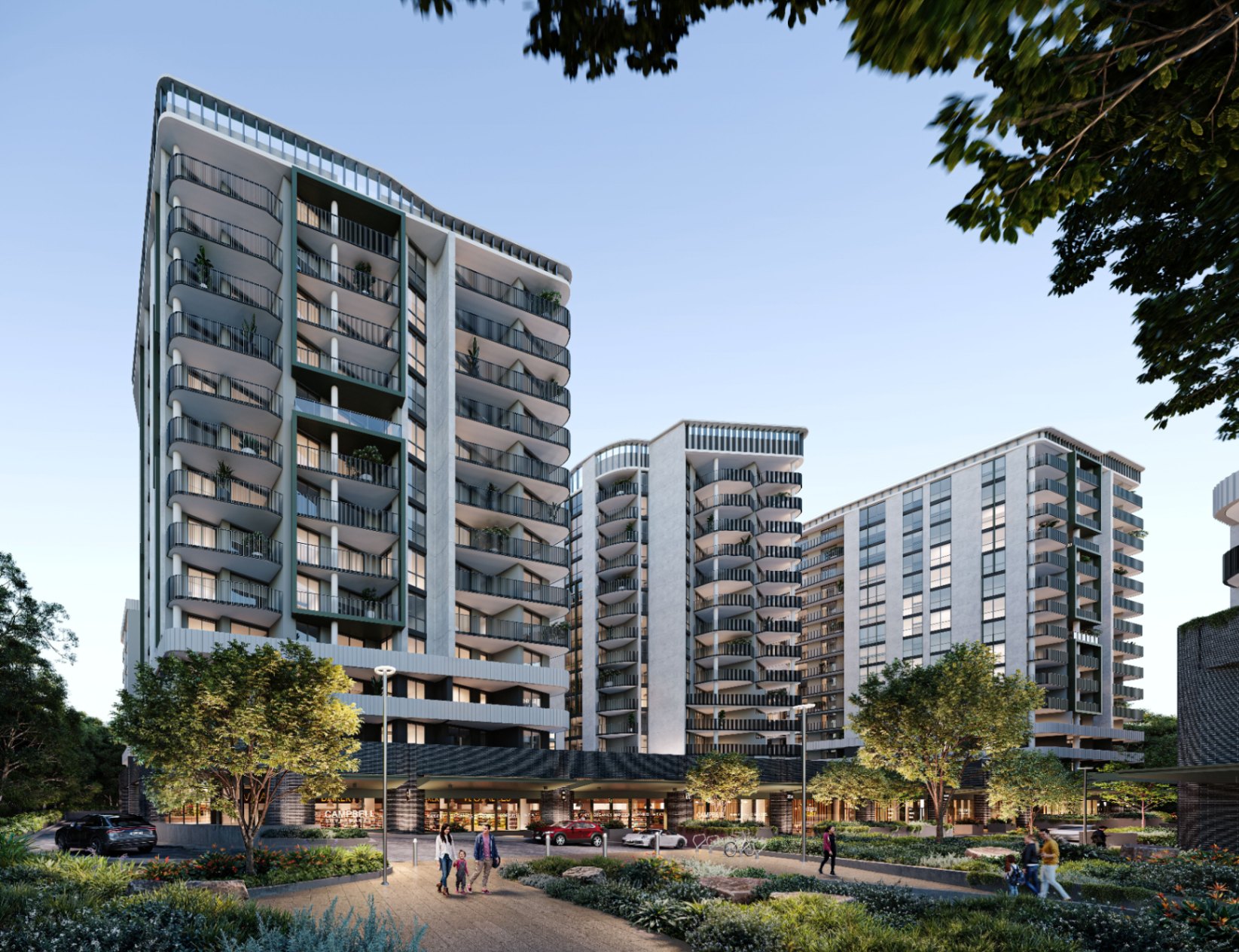
Queen Square | Campbelltown NSW | $10K deposit | Secure with $10k and $307 x 155 weeks
When a bank or lender assesses a mortgage application, they are evaluating the applicant's capacity to service the loan under a set of standardised assumptions. The assessment includes income verification, existing debt obligations, essential living expenses estimated from benchmark figures, and a serviceability buffer, currently 3% above the loan's interest rate in Australia, that ensures the borrower can still make repayments if rates rise.
Passing this assessment means the lender is satisfied that the borrower can service the loan based on these inputs. It does not mean the loan is comfortable, or leaves appropriate room for the full range of costs that come with ownership, or allows the borrower to maintain any savings rate during the ownership period.
Do you need home loan pre-approval before buying off the plan covers what pre-approval actually indicates and what it does not. A pre-approval is not a recommendation to borrow at the maximum of what has been approved. It is a ceiling, not a target.
The mortgage repayment is the most visible cost of ownership but not the only one. Council rates on a typical house or apartment in an Australian capital city run $1,500 to $3,000 per year. Water rates add several hundred dollars annually. Building and contents insurance costs $1,500 to $4,000 per year depending on the property type and location. Strata levies for apartments cover common area maintenance, building insurance, and management, typically at $3,000 to $10,000 per year depending on the building size and facilities.
Maintenance is the most variable and most frequently underestimated ownership cost. Properties require ongoing upkeep that renters never pay directly: hot water system replacements, roof repairs, painting, garden maintenance, plumbing repairs, appliance replacements. A common rule of thumb for established homes is to budget 1% of the property's value per year for maintenance. On a $700,000 property, that is $7,000 per year, or approximately $135 per week, on top of the mortgage.
What costs do you need to budget for besides the property deposit covers the upfront transaction costs. The ongoing ownership costs are a separate and equally important budget item that many buyers underestimate when assessing what they can afford.
 Coposit | Buy with $10K | Sydney Real Estate Market | Buy Property in NSW
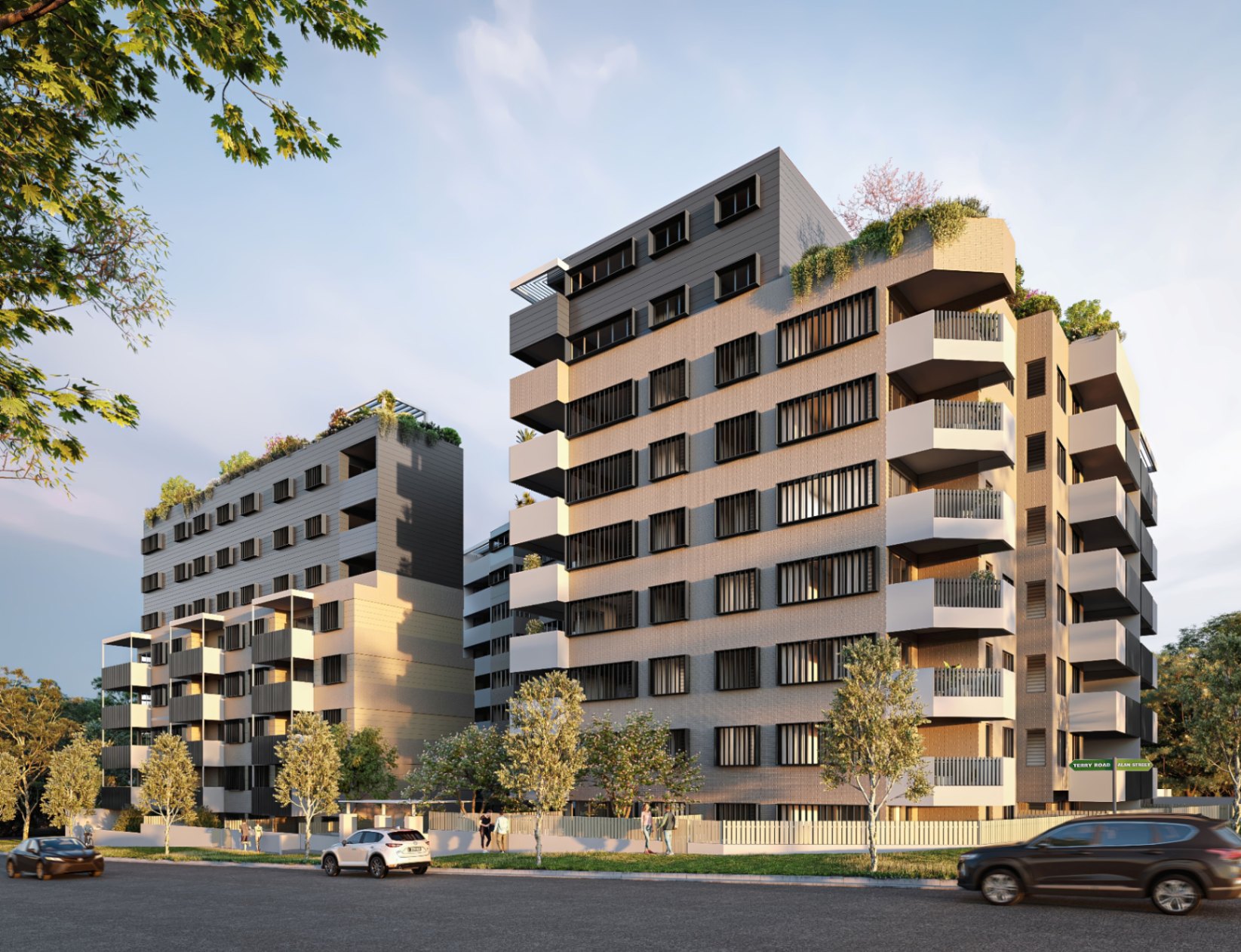
Sky Box Hill | Box Hill | $10K deposit | Secure with $10k and $426 x 127 weeks
A buyer who purchases at the maximum of their borrowing capacity with minimal savings remaining is in a position where any adverse change in circumstances, an income reduction, a large unexpected repair, an interest rate increase, creates immediate financial stress. There is no buffer.
This matters because property ownership is a multi-decade commitment during which circumstances will almost certainly change in ways that cannot be fully anticipated. A job change, a period of illness, a relationship change, a new child: all of these affect income and expenses in ways that a mortgage at maximum capacity does not accommodate gracefully.
The psychology of saving for your first home covers the savings discipline that leads to purchase. The same discipline applied to assessing genuine affordability after purchase is equally important. Being able to buy is a threshold. Being able to comfortably own is the goal.
A useful way to assess genuine affordability is to calculate what the mortgage repayment plus ownership costs represents as a proportion of after-tax income, and whether what remains covers essential expenses with a meaningful surplus for savings and unexpected costs.
How much of your income should go towards housing provides a framework for this calculation. The 30% benchmark applies to housing costs broadly, not just the mortgage. When mortgage, rates, insurance, strata, and maintenance are added together, many purchases that appear affordable at the mortgage level are above 30% of income in total housing cost terms.
Should you use all your savings for a house deposit addresses the related question of whether depleting all savings to maximise a deposit is the right move. Arriving at settlement with a slightly smaller deposit but an emergency fund intact is often a more resilient position than maximising the deposit at the expense of any financial buffer.
 Coposit | Buy with $10K | Canberra Real Estate Market | Buy Property in ACT
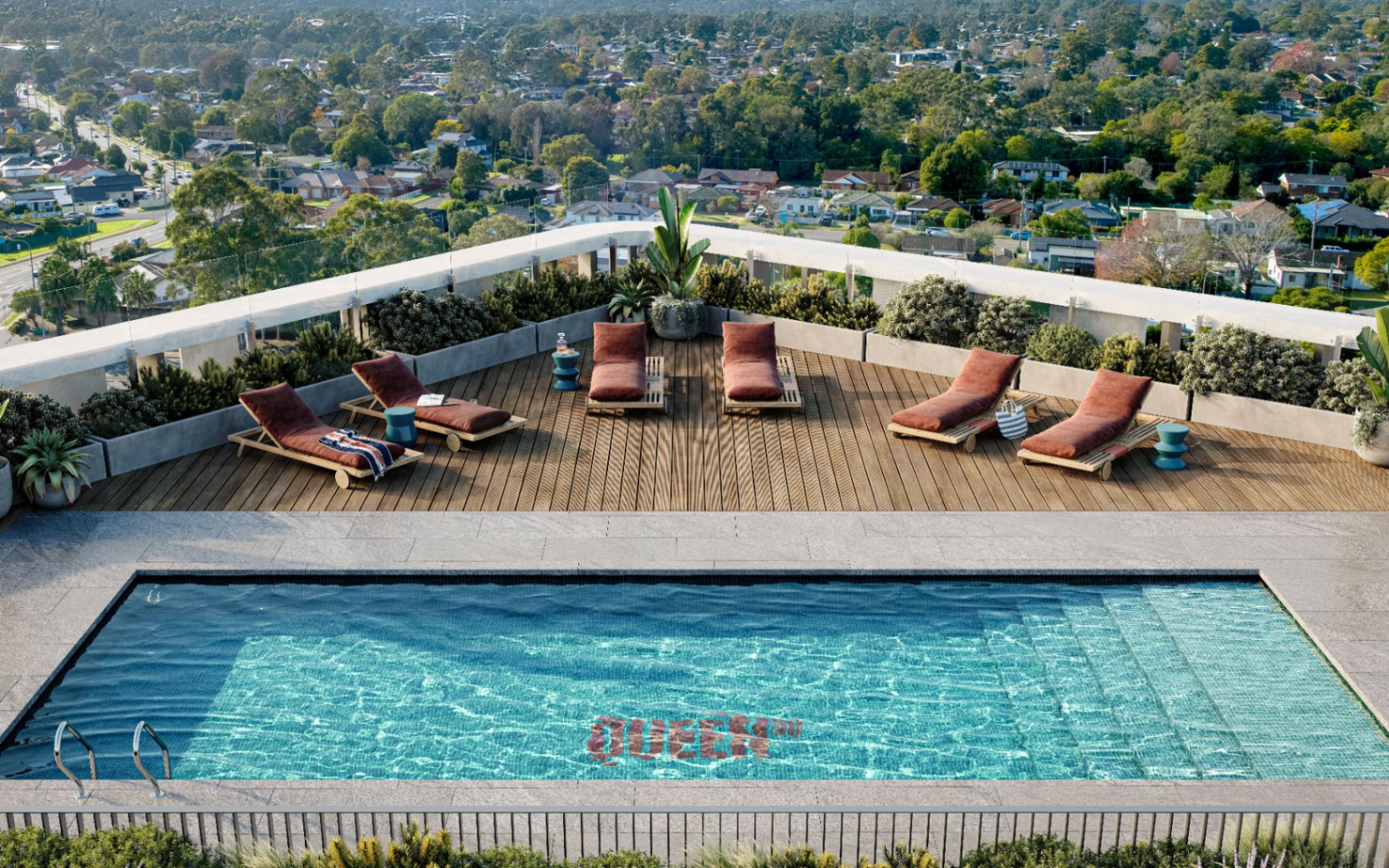
Queen Square | Campbelltown NSW | $10K deposit | Secure with $10k and $311 x 153 weeks
Coposit's model, securing an eligible off-the-plan property with $10,000 upfront and paying the remaining deposit in weekly instalments during construction, is relevant here. Buyers who spread their deposit payments over a construction period are not committing all their savings at once. They have more time to build financial reserves alongside their deposit payments, and they arrive at settlement better prepared for the full cost of ownership rather than having stretched everything to the limit to meet a lump-sum deadline.
Browse current eligible developments on the Coposit projects page, download the Coposit app, or contact the Coposit team to understand how the structure works for your specific financial situation.
Share this article



Follow Coposit:


© 2025 Copyright Coposit.

