

Australia has a housing shortage. It also has a significant number of vacant properties. The apparent contradiction between these two facts is not really a contradiction at all, but understanding why vacant properties exist, and why they persist, requires looking at the economics and incentives that shape individual property decisions rather than assuming that housing markets always find efficient outcomes.
Measuring vacancy is methodologically difficult. The Australian Bureau of Statistics census measures whether a dwelling was occupied on census night, which provides a snapshot but misses properties that are occupied some of the time and vacant others. Electricity consumption data, used by researchers as a proxy for occupancy, suggests that the number of dwellings with very low or zero consumption, a reasonable indicator of vacancy, is substantial across Australian capital cities.
The distribution of vacant properties is not random. Vacancy rates tend to be higher in certain property types, certain price segments, and certain locations. Understanding these patterns helps explain why vacancy persists even in markets where housing demand is strong.
A significant proportion of vacant properties are held by investors whose financial interests, in their assessment, are better served by keeping a property empty than by renting it out. This can seem irrational from a macroeconomic perspective, but it reflects specific circumstances that make vacancy the rational choice for individual owners.
Properties held primarily for capital growth can generate stronger returns for the owner when vacant than when tenanted, in some circumstances. An owner who intends to redevelop or renovate a property may choose not to let it because vacating a tenanted property is time-consuming, legally constrained, and can delay a development or sale by months. The opportunity cost of that delay can exceed the rental income forgone during the vacancy period.
Similarly, owners who plan to sell a property often find it easier to sell with vacant possession, because buyers in owner-occupier segments strongly prefer vacant properties that they can move into or renovate immediately. The price premium achievable on vacant possession can, in some market conditions, exceed the rental income the property would have generated in the period before sale.
Properties with significant maintenance requirements are sometimes held vacant because owners cannot afford to bring them to a standard that would attract tenants but are waiting for the right moment to sell or the resources to renovate. These properties are effectively stranded between a condition that is unrentable and a decision to invest in improvement or sale that has not yet been made.
 Coposit | Buy with $10K | Sydney Real Estate Market | Buy Property in NSW
Celine | Chatswood NSW | $10K deposit | Secure with $10k and $658 x 152 weeks
A distinct category of vacancy arises from properties that are used by their owners for part of the year and either left vacant or listed on short-term rental platforms for the remainder. These properties are not available to the long-term rental market, even when they are unoccupied, because the owner values the flexibility of personal use above the income from long-term letting.
The growth of short-term rental platforms has changed the economics of this calculation significantly. Properties that were previously either left vacant or rented long-term can now be listed for short-term letting during periods when they are not being personally used, generating income that may approach or exceed long-term rental income while preserving owner access. This has drawn properties out of the long-term rental market in locations where short-term rental demand is strong, most notably coastal and tourist destinations.
The policy response to short-term rental concentration has varied by jurisdiction. Some local councils have introduced registration requirements, occupancy limits, or levies on short-term rental properties. The effectiveness of these measures in returning properties to the long-term rental market has been mixed, partly because the financial incentive to remain in short-term letting is strong in popular locations.
The Rise of Pet-Friendly Apartment Living in Australia is relevant here as one example of how tenant demand characteristics affect what investors choose to do with their properties.
Properties owned by overseas investors or absentee landlords who are not physically present in Australia represent another category where vacancy can persist without active economic pressure on the owner to address it. When the primary motivation for holding the property is capital preservation or currency diversification rather than income generation, the owner may be relatively indifferent to whether the property is generating rental income.
The tax and regulatory environment for foreign property owners has tightened in recent years, with annual vacancy fees introduced for foreign owners of residential properties that are not occupied or genuinely available for rent for at least 183 days per year. The effectiveness of these levies in reducing vacancy among foreign-owned properties has been debated, partly because enforcement relies on self-reporting and monitoring is limited.
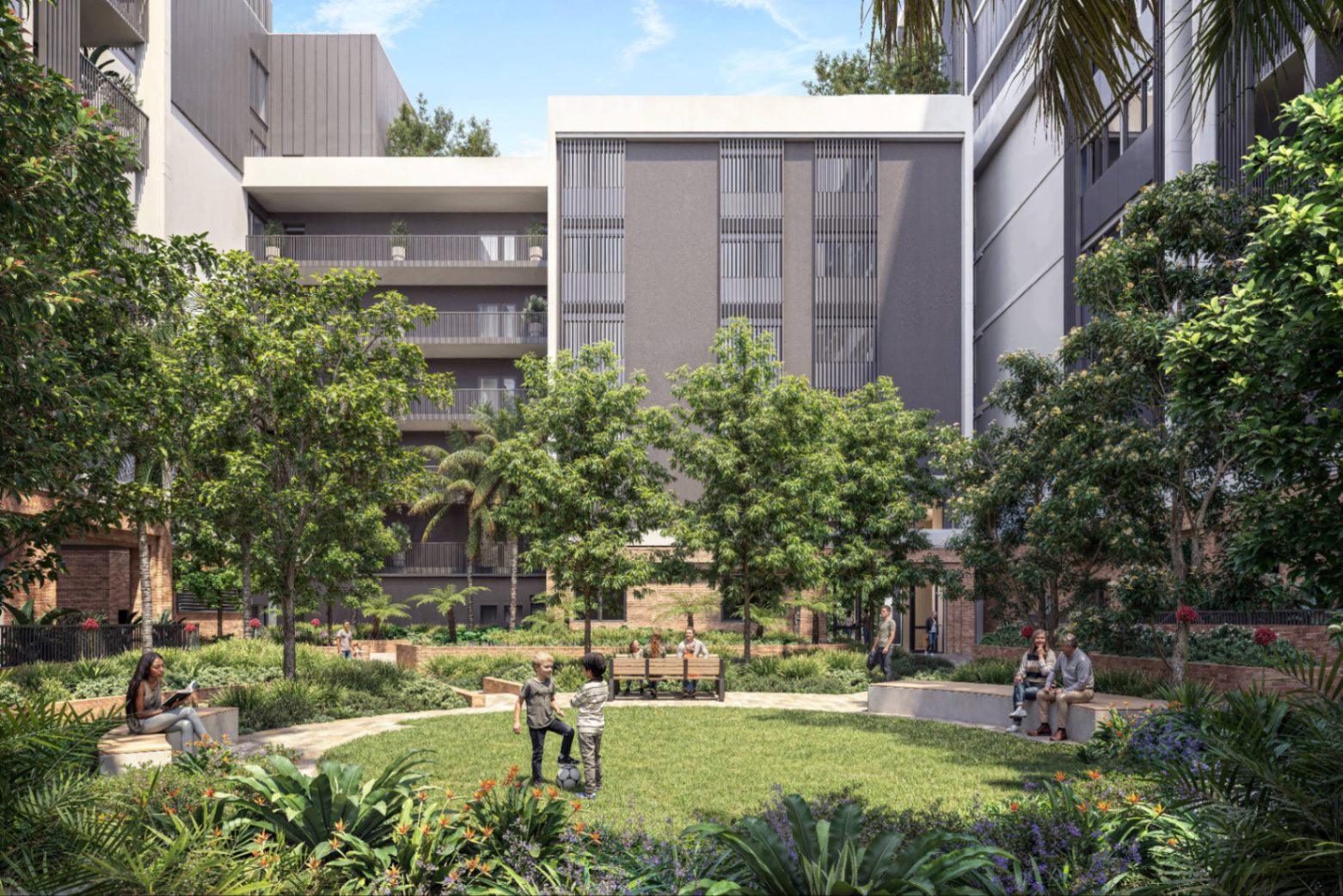 Coposit | Buy with $17K | Sydney Real Estate Market | Buy Property in NSW
Dawn | Melrose Park | $17K deposit | Secure with $17k and $236 x 78 weeks
Properties caught in estate administration or probate can remain vacant for extended periods while ownership is being transferred and disputes among beneficiaries are being resolved. These vacancies are not economically motivated in the same sense as investor-driven vacancy, but they contribute to the overall count of unoccupied dwellings and can persist for years in complex estate situations.
The existence of significant vacancy alongside significant housing shortage illustrates a fundamental characteristic of housing markets: they are not efficient in the conventional economic sense. The decisions of individual property owners reflect their specific circumstances, incentives, and expectations rather than a collective response to aggregate demand.
Policy levers that aim to reduce vacancy, including annual vacancy levies, changes to short-term rental regulation, and incentives for property owners to bring vacant properties to market, have shown some effectiveness in targeted applications but have not eliminated the phenomenon.
[The Economics of Empty Homes] sits alongside broader questions about housing supply and demand that inform how property markets function and how they can be improved. How Land Scarcity Influences Property Values in Australian Cities covers the supply-side constraints that make the existence of vacant properties particularly costly in a constrained market.
For buyers looking to enter the market through new residential development with strong occupancy fundamentals, browse the Coposit projects page, download the Coposit app, or contact the Copsoit team.
Share this article



Follow Coposit:


© 2025 Copyright Coposit.

