

The backyard has occupied a particular place in the Australian cultural imagination. For much of the twentieth century, it was both a practical space and a symbol: somewhere children played, families gathered, vegetables were grown, and the Hills Hoist performed its slow rotations. It was what distinguished Australian suburban life from denser housing cultures elsewhere, and it was treated as a near-universal expectation of what a home should include.
The backyard as that universal expectation has changed. It has not disappeared, but it has been redefined, compressed, elevated onto rooftops and balconies, shared with neighbours in common areas, and in many urban dwellings dispensed with entirely. Understanding how outdoor living is evolving in Australian cities, and what buyers are seeking when they look for a home with good outdoor space, matters for anyone navigating the current market.
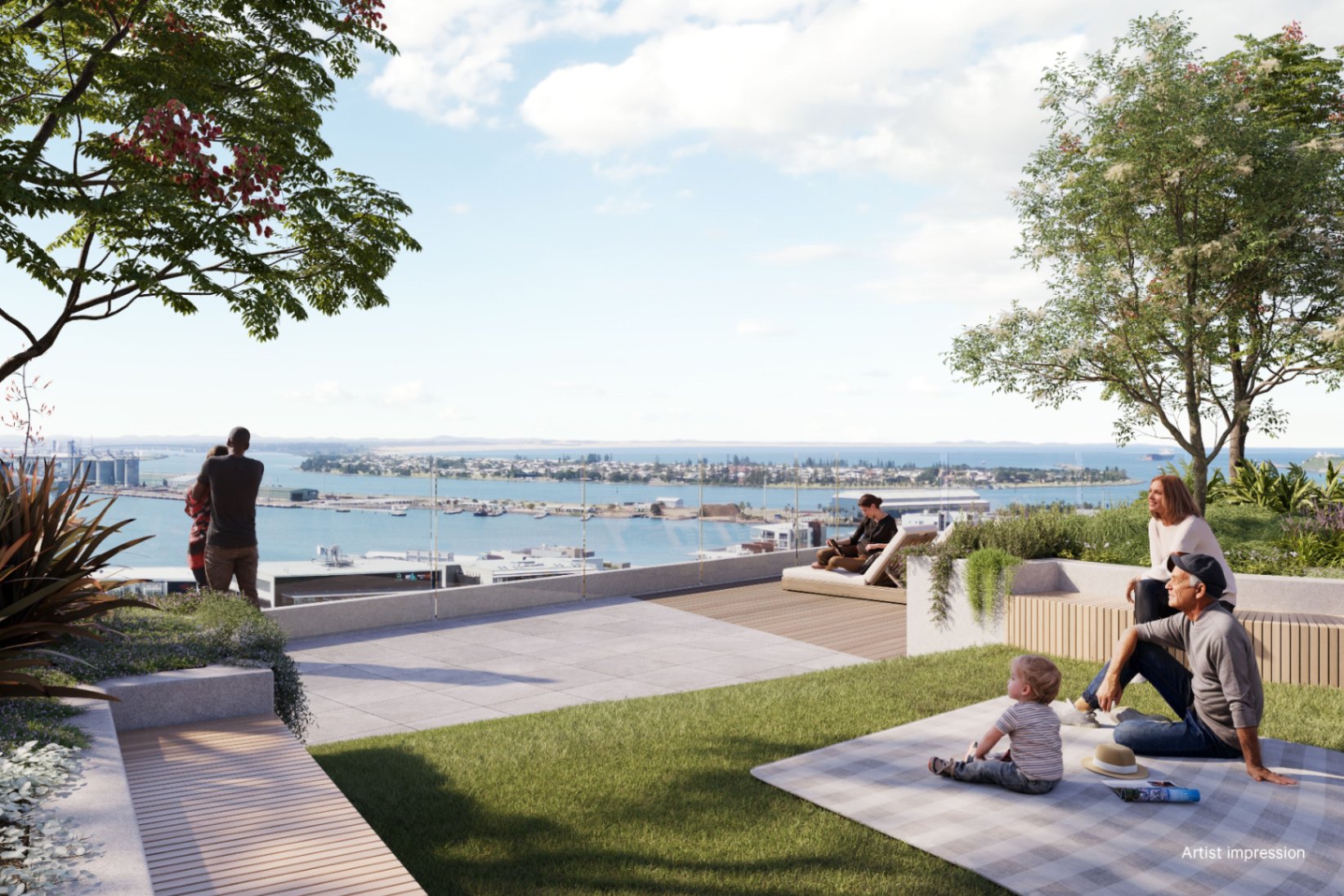 Coposit | Buy with $10K | Newcastle Real Estate Market | Buy Property in NSW
Era | New Castle NSW | $10K deposit | Secure with $10k and $1,363 x 58 weeks
The primary driver of change in outdoor living is density. As Australian cities have grown and land values in accessible urban locations have increased, the land area devoted to private outdoor space per dwelling has decreased. The average lot size for new house and land packages has fallen significantly from the suburban lots of the mid-twentieth century. Apartments, which now account for a substantial proportion of new housing completions in major cities, by definition provide limited or no private ground-level outdoor space.
This is not simply a loss. It reflects a genuine change in how many Australians live and what they value. Households have become smaller. The maintenance burden of a large garden is a cost in time and money that many residents, particularly those who work long hours or travel frequently, prefer to avoid. The appeal of apartment living, with its reduced maintenance obligations and urban location advantages, has grown for a wider demographic than previously.
At the same time, the desire for outdoor connection has not diminished. What has changed is the form it takes and the expectations that buyers bring to what constitutes adequate outdoor space.
The evolution of outdoor living in urban Australian homes has produced a range of responses that substitute for or transform what the traditional backyard offered.
Balconies and terraces have become the primary outdoor offering in apartment buildings, and their size, quality, and usability vary enormously between developments. A north-facing balcony with adequate depth to accommodate outdoor furniture and a view that makes it pleasant to spend time on is a genuinely valuable living space. A narrow south-facing balcony that receives no direct sun and overlooks a service lane is not. The difference matters significantly to how residents experience their home.
Rooftop terraces and communal outdoor spaces in apartment buildings have attempted to compensate for the reduction in private outdoor space by providing shared alternatives. The success of this model depends on the quality, programming, and management of the shared space, as covered in more detail in From Rooftop Gardens to Shared Workspaces: The Changing Role of Apartment Amenities.
Courtyard-style outdoor spaces associated with ground floor apartments and townhouses offer a more private alternative to the shared rooftop model. A well-designed courtyard, with appropriate orientation, privacy screening, and usable dimensions, can provide a genuine outdoor living space that functions as an extension of the dwelling rather than a residual area.
The indoor-outdoor connection in contemporary Australian homes has also evolved as a design priority. Large sliding or stacking door systems that open the living area to an outdoor terrace, the alignment of internal and external floor levels to remove the threshold between inside and out, and covered outdoor areas that are usable in both summer heat and winter rain have become standard features in well-designed homes at multiple price points.
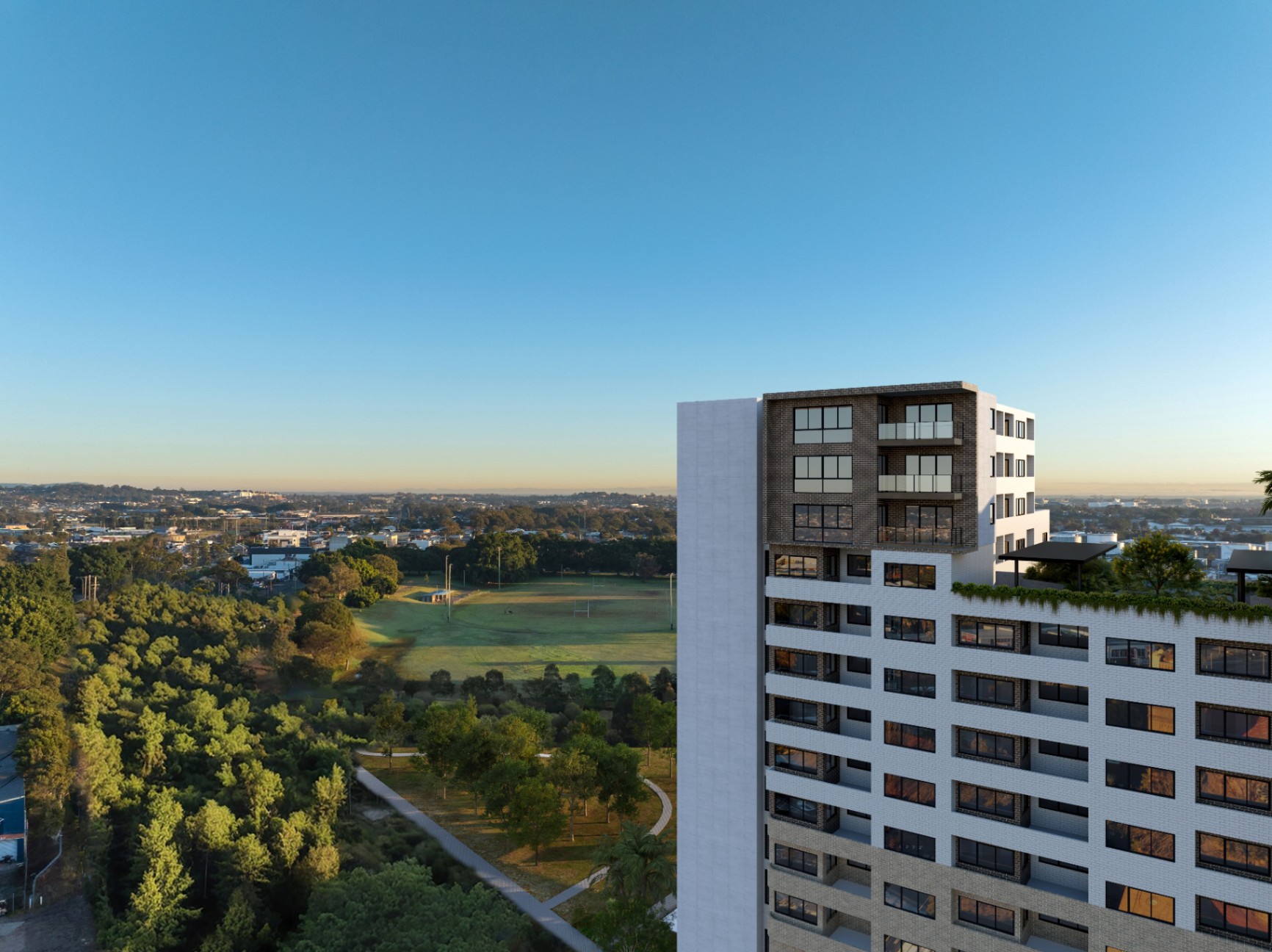 Coposit | Buy with $10K | Sydney Real Estate Market | Buy Property in NSW
Autobiography | Wickham NSW | $10K deposit | Secure with $10k and $305 x 74 weeks
The design of outdoor spaces in Australia cannot be separated from the climate. An outdoor area that is comfortable for six months of the year and unusable for the other six is only partially delivering on its potential.
The key design challenge is managing heat in summer while maintaining usability. This requires shade, which can be provided by fixed roof structures, retractable awnings, pergolas with adjustable louvres, or planting that provides canopy cover. It requires cross-ventilation or fan systems that move air through the space. And in some climates it requires the ability to screen out insects while maintaining airflow.
The trend toward covered outdoor living areas that function as outdoor rooms, with ceiling fans, integrated lighting, and weatherproofing that extends their usability across seasons and weather conditions, has become a standard feature of quality residential development at the house and land level and is being incorporated into balcony and terrace design in apartment developments.
Designing for Australian Summers: How New Homes Are Adapting to Heat covers the broader thermal design question, with outdoor space design sitting alongside the building fabric response to Australian heat.
The productive or ornamental garden, which was a defining feature of the traditional Australian backyard, has not disappeared from urban housing but has taken different forms.
Community gardens associated with apartment buildings, which provide residents without private garden space the ability to grow food and engage in gardening activity, have become an increasingly common inclusion in new developments. They address the horticultural interest and the practical benefit of food production that private gardens once provided, in a shared format that is more viable within higher-density development.
Smaller private gardens associated with terrace houses, courtyard apartments, and compact suburban houses have driven demand for low-maintenance planting approaches and hard landscaping solutions that provide green character without significant maintenance burden. The garden that requires weekend hours of work to maintain has diminishing appeal for the demographic that now buys urban housing.
The interest in native planting and water-sensitive design has grown alongside awareness of water availability and climate appropriateness. Gardens planted with species adapted to Australian conditions require less irrigation, provide habitat for native wildlife, and perform better through drought periods than conventional exotic planting schemes.
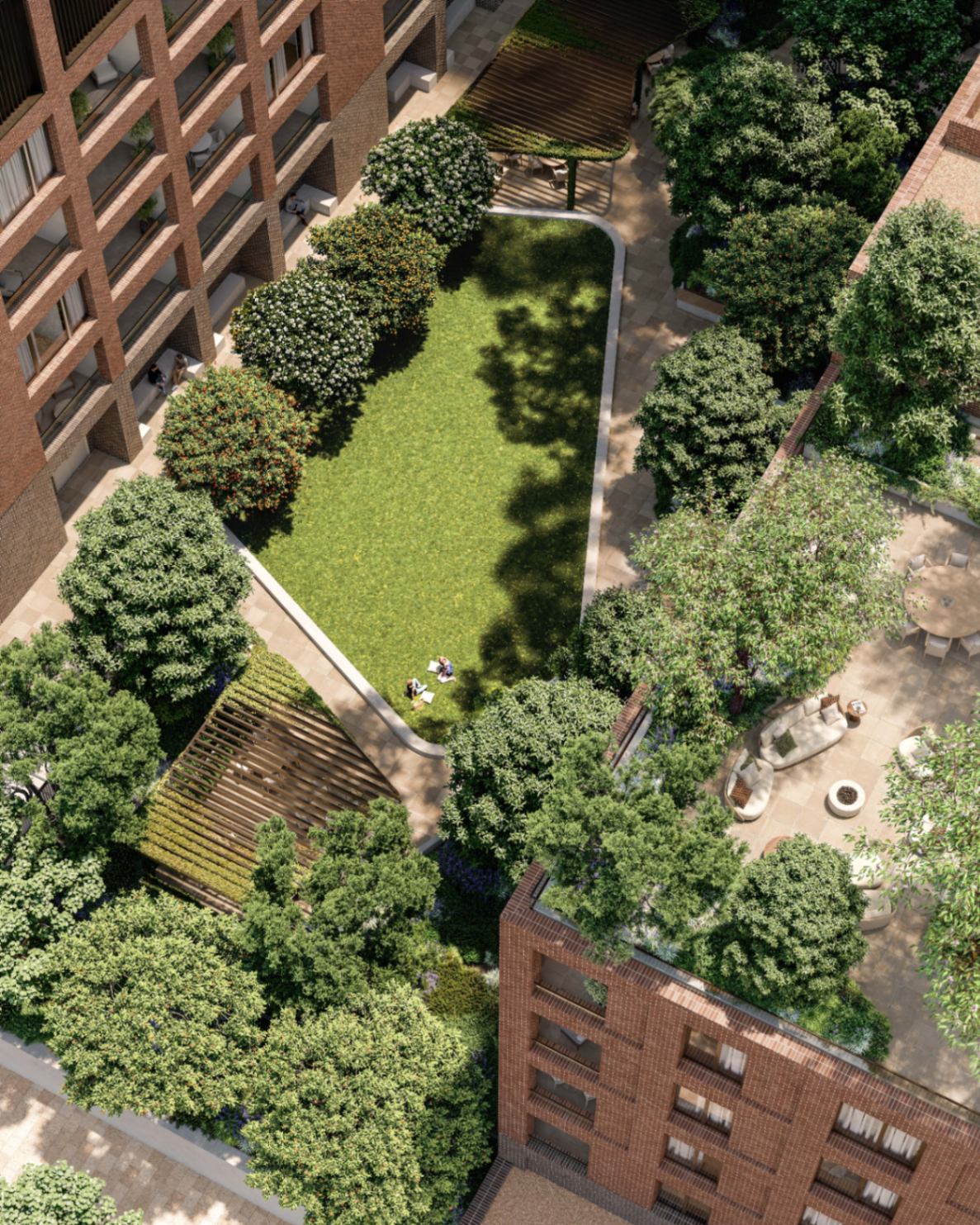 Coposit | Buy with $10K | Sydney Real Estate Market | Buy Property in NSW
Kings Bay Village | Five Dock NSW | Buy with $10K | Secure with $10k and $715 x 98 weeks
When buyers say they want good outdoor space, the specifics of what they mean have shifted considerably from the backyard-centric expectations of previous generations.
Usability has become the primary criterion. An outdoor space that can be used for a substantial proportion of the year, that is comfortable in summer with appropriate shade and ventilation, that is private enough to feel like an extension of the home rather than a space under observation from neighbours, and that is sized appropriately for how the residents want to use it, is what buyers are seeking.
The backyard as a large, grassed area requiring weekend maintenance has diminishing appeal across much of the buying market. What has replaced it is a more varied landscape of outdoor offering, from well-designed apartment balconies and communal roof terraces to compact courtyard gardens and covered alfresco areas, that reflects how Australians actually want to live with the outdoors in a denser, hotter, and more time-pressured urban environment.
The outdoor space question has not gone away. It has become more varied, more design-conscious, and more directly tied to the specific climate, lifestyle, and density context of where and how people are choosing to live.
To explore developments that prioritise quality outdoor living in contemporary configurations, browse the Coposit projects page, download the Coposit app, or contact the team.
Share this article



Follow Coposit:


© 2025 Copyright Coposit.

