

For much of the past half century, new residential development in Australia has been primarily about individual household units. The apartment or house is designed to function independently. Shared spaces are an afterthought. The community that forms around a building happens despite its design rather than because of it.
That model is changing. The residential developments attracting the strongest interest from buyers in the current Australian market are increasingly places that have been genuinely designed around the idea of community, where shared spaces, shared programming, and shared experiences are central to the building's identity rather than incidental features.
Understanding what this shift looks like in practice, what is driving it, and what buyers should look for helps identify the buildings that will deliver genuine community living from those that use the language without following through.
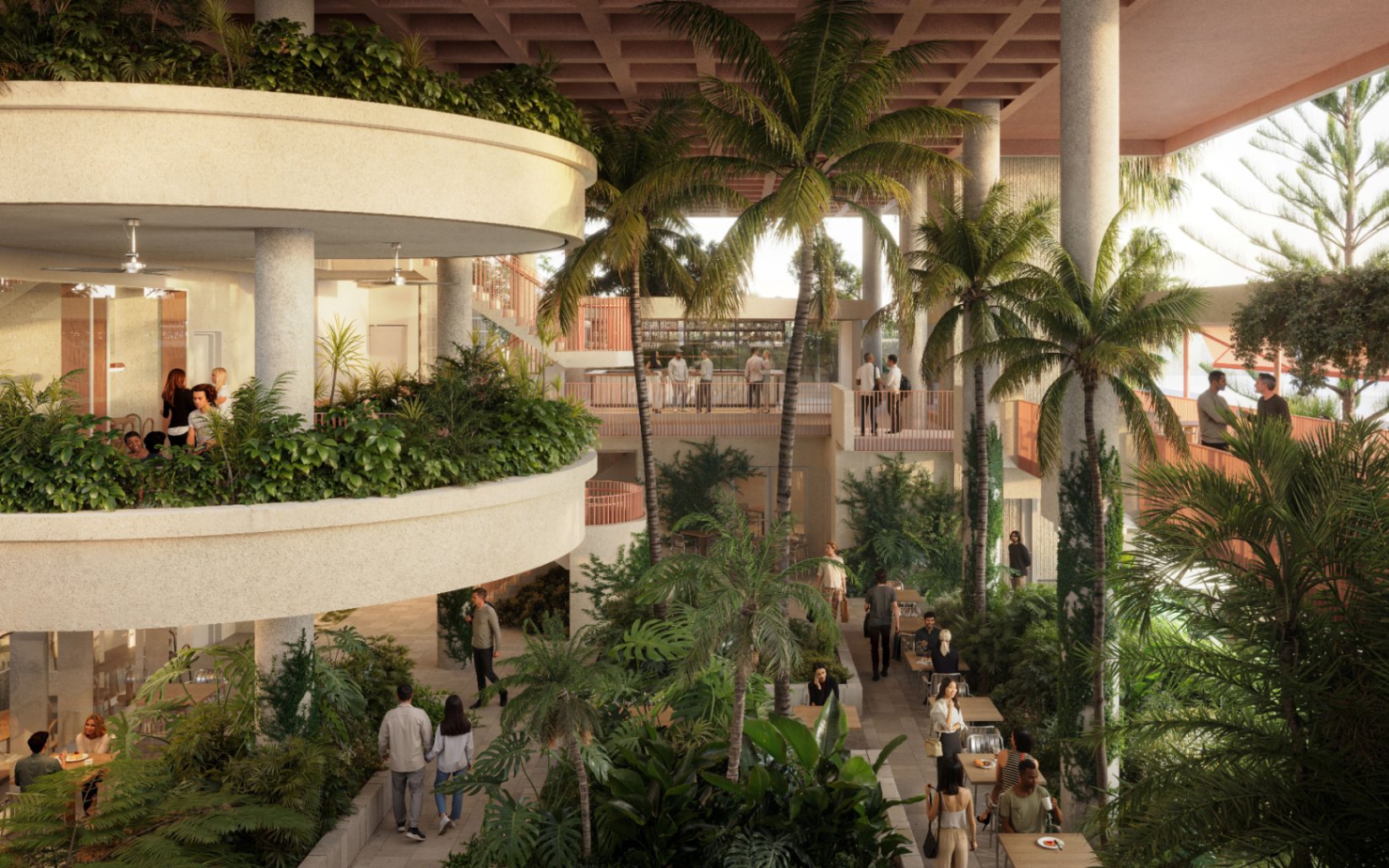 Coposit | Buy with $10K | Gold Coast Real Estate Market | Buy Property in QLD
The Alfred Residences | Mermaid Beach QLD | $10K deposit | Secure with $10k and $2,451 x 51 weeks
The isolation of urban apartment living has been one of the consistent criticisms levelled at high-density development in Australian cities. People live in proximity without community. Neighbours pass in corridors without knowing each other's names. The density that should enable social connection instead produces anonymity.
The pandemic period accelerated a revaluation of this isolation. Buyers and renters who experienced the absence of community during lockdowns emerged with a stronger conscious preference for residential environments that actively support social connection. This is not a fleeting trend responding to a temporary experience. It reflects a genuine recalibration of what residential environments are for.
At the same time, demographic changes are increasing the proportion of households for whom community infrastructure matters most. Single-person households, which now represent approximately one in four Australian households, are disproportionately affected by residential anonymity. Older Australians who are downsizing from large family homes are often making explicit decisions about the community quality of their next home. Young professionals who are relocating to new cities are looking for residential environments that provide a social starting point rather than requiring them to build a social network entirely from scratch.
The best residential developments being delivered in Australian cities are approaching community intentionally rather than incidentally. Several design and programming features distinguish genuinely community-focused developments from those that pay the concept lip service.
Communal spaces that actually function. A rooftop terrace or communal garden that is genuinely pleasant, easily accessible, and sized for real use rather than photography is an invitation to social interaction. A communal space that requires a key card, is accessible only during business hours, or is too small for meaningful group gatherings is a space that will never actually function as a community anchor.
Programming and activation. Physical amenity without programming produces spaces that residents avoid. Buildings that invest in activating their communal spaces, through managed barbecue events, fitness classes, social gatherings, or community workshops, create the habitual use patterns that lead to genuine community formation.
Design for chance encounters. Community is not primarily created through formal events. It is created through the accumulation of casual encounters between neighbours, in lobbies, in communal gardens, in corridors, at mailboxes. Buildings designed to create these encounter opportunities through thoughtful placement of communal facilities and natural circulation paths produce more organic community than those designed purely for efficient movement.
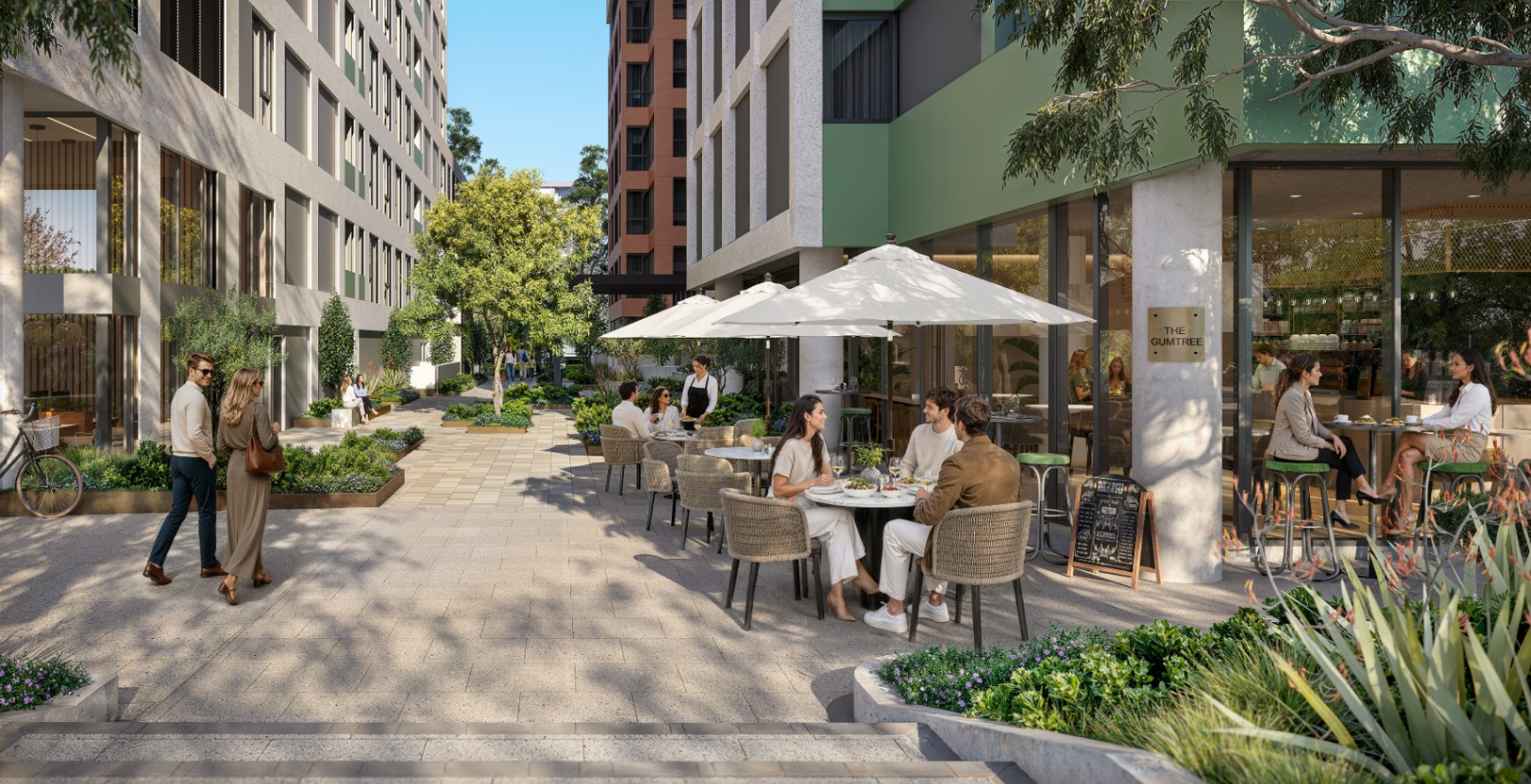 Coposit | Buy with $10K | Canberra Real Estate Market | Buy Property in ACT
Gateway Braddon | Braddon ACT | $10K deposit | Secure with $10k and $167 x 74 weeks
The community group that accompanies many new residential developments has become a genuine complement to the physical communal infrastructure. Managed digital community platforms allow residents to coordinate informal events, share resources, solve problems collectively, and build familiarity before they have established the face-to-face relationships that make community tangible.
Unrent by Coposit's community group model, a private Facebook group with over 600 members where the team communicates directly and members share their experience of the process, is an example of digital community supporting a real-world pathway. The community exists before the physical property does, building familiarity, trust, and shared experience among people who will eventually be going through the same process.
For buyers who are specifically seeking residential developments that support genuine community living, several questions are worth asking before committing to a purchase.
What communal spaces does the building include and are they genuinely usable? How are those spaces programmed and managed? Is there a residents' community platform and how active is it? What is the ownership and demographic profile of the building, buildings with a high proportion of owner-occupiers tend to have stronger community formation than those with predominantly absentee investors?
The answers to these questions distinguish buildings where community is an aspiration from those where it is a designed and managed outcome.
Read What Are Strata Fees and How Much Should Apartment Buyers Budget For for guidance on understanding the cost implications of communal amenity in apartment buildings.
Browse current Coposit listings on the projects page, download the Coposit app, or contact the Coposit team to discuss the community and amenity features of specific projects.
This article is general information only and does not constitute financial advice. Always seek independent financial advice before making any property decisions.
Share this article



Follow Coposit:


© 2025 Copyright Coposit.

