

Moving house is one of the more expensive things most Australians do, and one of the most consistently underestimated. The visible costs are straightforward to budget for. The ones that catch people out tend to be the ones that do not appear in any initial mental checklist.
Whether you are a first home buyer moving into a newly settled property, a renter changing addresses, or an owner selling one home and buying another simultaneously, the real cost of a move is almost always higher than the number that first comes to mind. Understanding the full picture before you commit to a timeline or a budget saves significant stress later.
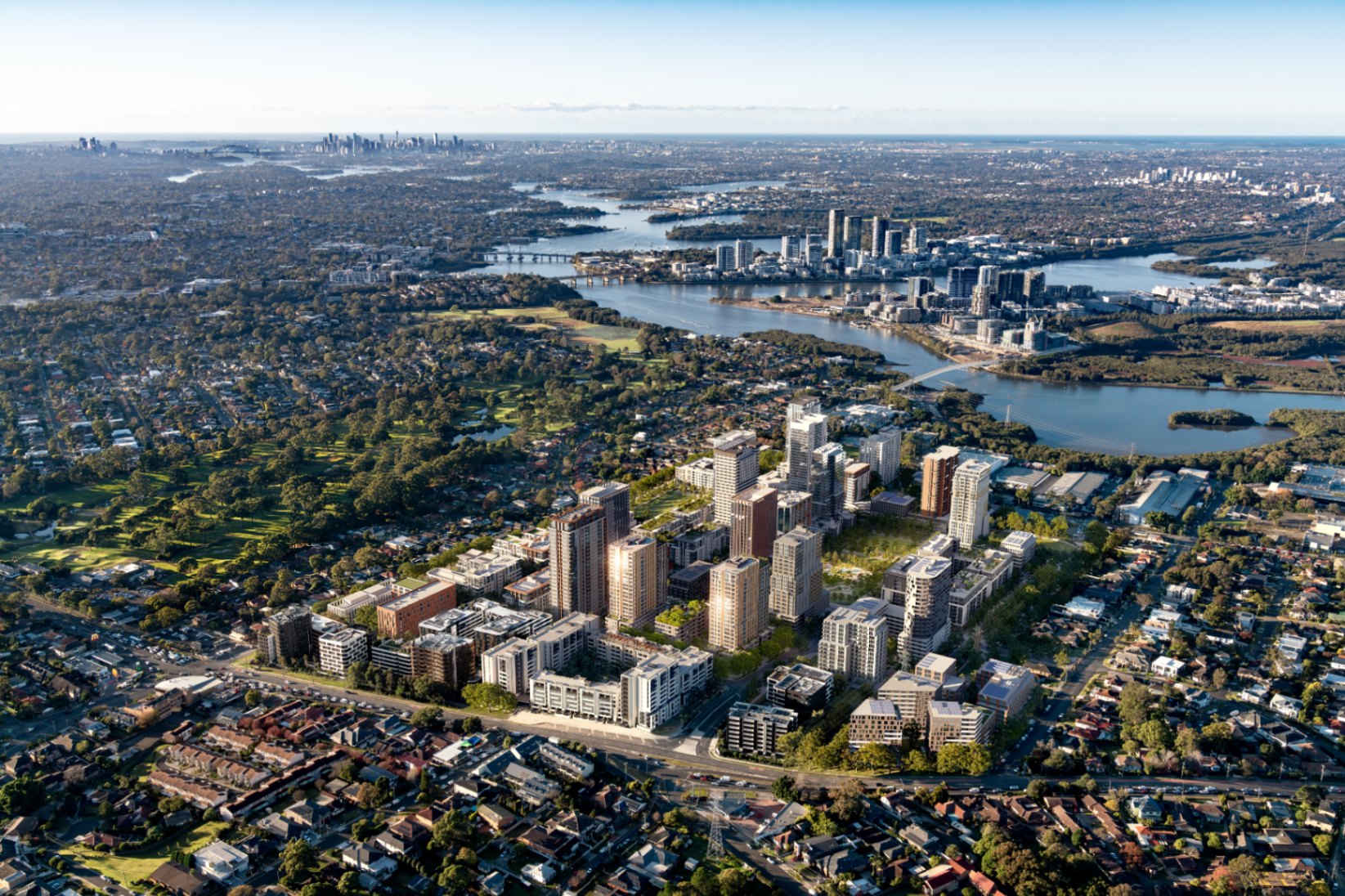 Coposit | Buy with $18K | Sydney Real Estate Market | Buy Property in NSW
Melrose Park - Aeris | Melrose Park NSW | $18K deposit | Secure with $18k and $230 x 80 weeks
Most people moving house budget for the obvious items, and these are worth confirming even when they feel familiar.
Removalists for a two to three bedroom home moving within the same city typically cost between $800 and $2,000 depending on volume, distance, the number of staircases involved, and whether packing is included. Interstate moves are considerably more and can run to several thousand dollars for a full household of furniture and possessions.
For renters moving to a new tenancy, bond equivalent to four weeks rent plus two weeks rent in advance is required upfront before you can access the property. On a $600 per week rental, that is $3,600 committed before the first day in the new place. On an $800 per week rental it is $4,800. These are not small figures, and they are needed at the same time as all the other moving costs.
Exit cleaning for the property being vacated, whether professional end-of-lease cleaning or the time cost of doing it yourself, is a predictable cost that tends to be budgeted but sometimes minimised in the estimate. Professional end-of-lease cleaning for a standard apartment typically runs $300 to $600.
Connecting electricity, gas, and internet to a new address involves connection fees, potential early termination fees on existing contracts, and sometimes waiting periods that require careful scheduling around the move date.
 Coposit | Buy with $18K | Sydney Real Estate Market | Buy Property in NSW
Melrose Park - Dawn | Melrose Park NSW | $17K deposit | Secure with $17k and $317 x 80 weeks
This is where the real money goes, and where underestimation causes the most financial pain.
Stamp duty is the single largest transaction cost for property buyers and one that is systematically underappreciated in its magnitude. In New South Wales, stamp duty on a $750,000 property purchase is approximately $29,000. In Queensland it is around $13,500 for a non-first home buyer. First home buyer concessions and exemptions exist in all states, but they phase out above certain price thresholds and do not eliminate the cost entirely in most cases.
Stamp duty does not appear in the property's purchase price. It does not count toward the deposit. It is payable in addition to everything else, typically at or before settlement, and must come from savings that are separate from the deposit funds. What costs do you need to budget for besides the property deposit covers this in full detail for buyers who are assembling their complete cash requirement.
Legal and conveyancing fees for a residential purchase typically range from $1,500 to $3,000 depending on the complexity of the transaction, the state it occurs in, and whether a solicitor or a conveyancer is engaged. How conveyancing works and what conveyancers do explains what this cost actually covers and why it is not an area to cut corners on.
Building and pest inspections for established properties typically cost $400 to $700 for a combined report from a qualified inspector. For off-the-plan purchases this is replaced by a pre-settlement inspection, but buyers of established homes should treat this as non-negotiable before exchange.
Lenders mortgage insurance applies when borrowing above 80% of the property's value. LMI can add anywhere from a few thousand to tens of thousands of dollars to the cost of a purchase depending on the loan size and the loan-to-value ratio. It is paid by the borrower but protects the lender, and it does not provide any benefit to the buyer beyond access to higher leverage.
New furniture and fittings represent one of the most variable and least budgeted costs of moving. Even buyers relocating from one furnished property to another typically find that window furnishings do not transfer, that light fittings are missing or wrong for the new space, that additional storage is needed, or that outdoor furniture that worked in the old place does not suit the new one. A realistic estimate for this category is $2,000 to $10,000 or more for a first property.
For buyers who are selling an existing property to fund the next purchase, the costs of the sale itself add a further layer that needs to be modelled before the full financial picture is clear.
Real estate agent fees for a residential sale in Australia typically range from 1.5 to 3% of the sale price, plus marketing costs that commonly run $3,000 to $10,000 depending on the agent and the campaign. On a $900,000 sale at 2% commission, agent fees alone are $18,000 before marketing. Combined with stamp duty on the incoming purchase, the round-trip cost of selling one home and buying another can comfortably exceed $60,000 to $80,000 in total transaction costs.
This is the arithmetic behind the consistent advice to buy property with an intention to hold for at least five to seven years. The transaction costs of buying and selling frequently are substantial enough to erode capital gains over shorter holding periods.
The practical rule of thumb is to add 4 to 6% of the purchase price to your total cash requirement as a transaction cost allowance covering stamp duty, legal fees, lender fees, and inspections, and then estimate separately for removalists, immediate purchases, and any first-month overlap costs if you are carrying two housing costs simultaneously during the transition.
Coposit's deposit structure of $10,000 upfront and weekly instalments during construction does not eliminate these transaction costs, but it changes the timing. Buyers who are spreading their deposit payments across a construction period of twelve to twenty-four months have more time to separately accumulate the cash needed for stamp duty, legal costs, and settlement-day expenses before those costs fall due.
Browse current eligible developments on the Coposit projects page, download the Coposit app, or contact the Coposit team to understand how the full cost picture works for a specific property.
Share this article



Follow Coposit:


© 2025 Copyright Coposit.

