

Something is shifting in how Australians think about the relationship between renting and owning.
For most of the past decade, those two things have been treated as sequential. You rent while you save. Once you have saved enough, you buy. Renting is the waiting room. Ownership is the destination.
That framing is starting to feel inadequate. Not because owning property has become less desirable, if anything, the desire to own has intensified as rents have risen and the cost of being a long-term renter has become clearer. But because the waiting room has gotten a lot more expensive, and the door to the destination has gotten harder to open.
The question a growing number of Australians are asking is not "how do I save faster" but "is there a different way entirely?"
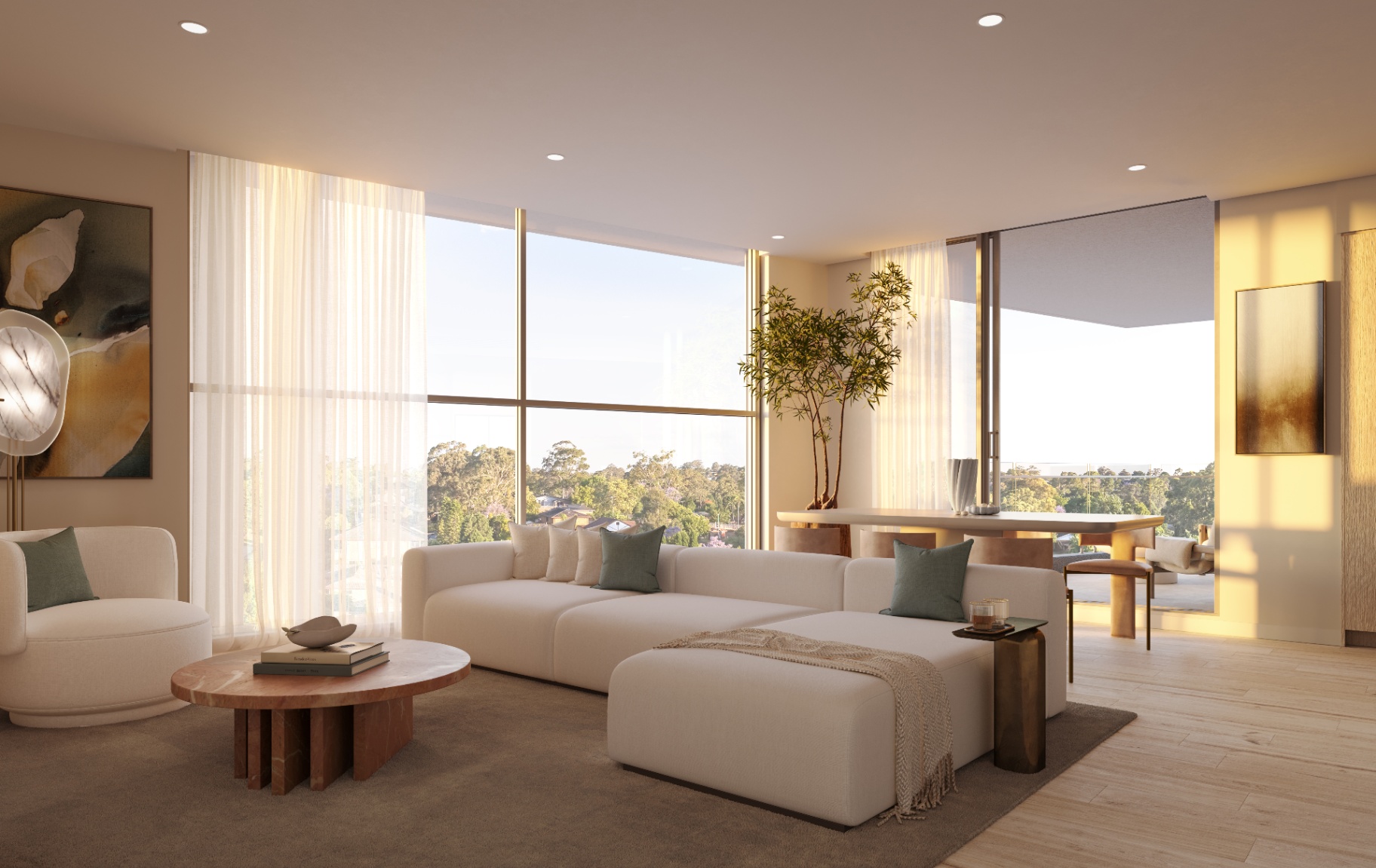 Coposit | Buy with $10K | Sydney Real Estate Market | Buy Property in NSW
Avenue | Castle Hill NSW | $10K deposit | Secure with $10k and $699 x 93 weeks
The conventional pathways into property ownership each address part of the problem without fully resolving it.
Saving a lump sum deposit works for buyers who have the time, the income margin, and the market stability to reach a threshold before prices move beyond it. For many Australians in 2026, those conditions do not reliably hold.
Government schemes reduce the deposit barrier but do not eliminate it. The First Home Guarantee allows eligible buyers to purchase with 5 per cent rather than 20%. That is meaningful. But 5 per cent of a $750,000 property is still $37,500, and first home buyers are still trying to save that amount while paying rent.
Rentvesting lets buyers enter the market in an affordable location while renting where they want to live. It works for buyers who are comfortable with the trade-offs, landlord responsibilities, no access to first home buyer grants, the complexity of managing an investment while renting simultaneously.
Each of these is a real pathway. None of them addresses the core dynamic: rent money builds nothing for the person paying it.
What if rent did not have to be dead money?
That question sounds simple. The implications are significant.
Most rental arrangements work the same way. Rent leaves the tenant's account, goes to the landlord, and builds the landlord's equity. The tenant has nothing to show for it at the end of the lease.
The emerging conversation in Australian property circles is about whether that has to be the default. Whether there is a model where the rent a person pays contributes, in some form, to their own property ownership rather than exclusively to someone else's.
Coposit has been working on a new approach to one of the biggest challenges facing renters today.
The idea is simple. What if the money you pay to live in a home could also help you move towards owning it?
We're not quite ready to share all the details, but that's the direction we're heading. It's designed for people who are ready to break the rental cycle but need a different pathway to get there.
If you've ever wondered whether there's a better way to move from renting to owning, keep an eye on what's coming next. You can contact Coposit team for more information and join the waitlist to be among the first to know when it becomes available.
Share this article



Follow Coposit:


© 2025 Copyright Coposit.