

The relationship between housing and health is well established. We know that inadequate housing, overcrowding, damp, cold, and poor-quality shelter have direct health consequences. What is less often discussed is the more subtle relationship between the characteristics of where you live, the neighbourhood, its design, its amenity, its social dynamics, and outcomes that go beyond physical shelter to encompass mental health, social connection, loneliness, and what researchers call flourishing.
The evidence that where you live influences your wellbeing in these broader ways is now substantial enough to take seriously. It has implications for how individuals choose where to live and how developers and planners think about what they are building.
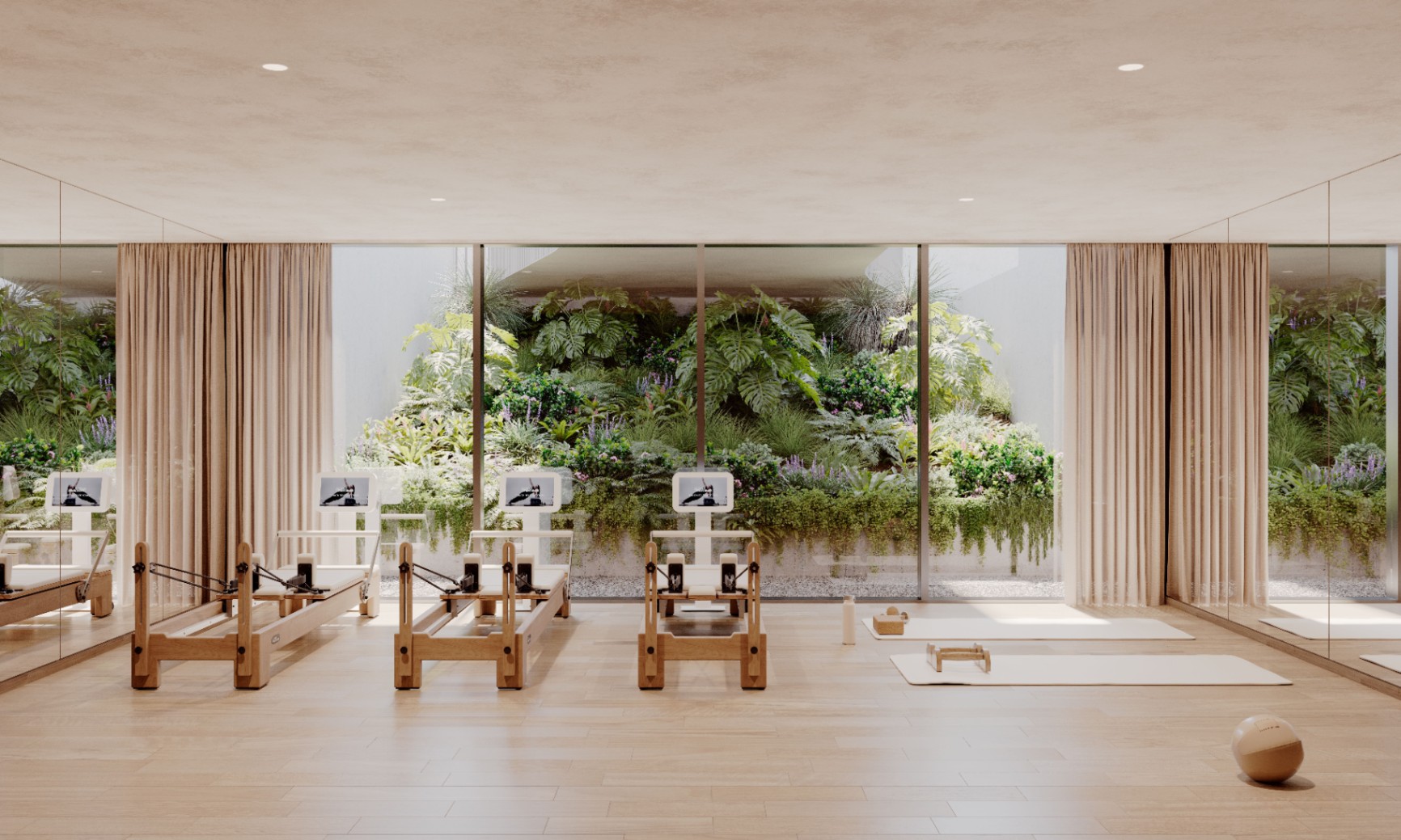 Buy with $10K | Sydney Real Estate Market | Buy Property in NSW
Boronia | Roseville NSW | $10K deposit | Secure with $10k and $1,072 x 139 weeks
Australia, in common with many developed countries, has experienced what researchers and health authorities describe as a loneliness epidemic. Survey data consistently finds that a significant proportion of Australians, across age groups and demographics, report feeling lonely regularly. Loneliness is not a minor inconvenience. The health literature establishes it as a risk factor for cardiovascular disease, cognitive decline, depression, and premature mortality with an effect size comparable to smoking.
The housing and urban design connection to loneliness is not direct, but it is real. The design of neighbourhoods, the presence or absence of spaces where people naturally encounter each other, the walkability of streets, the quality and character of local public space, and the design of buildings all affect the likelihood of the casual, repeated social encounters that research identifies as the foundation of community connection.
Dense, car-dependent suburbs where residents move from enclosed garage to enclosed car to enclosed workplace with minimal street-level social contact create environments that are structurally hostile to the kind of incidental social interaction that builds neighbourhood connection. Walkable, mixed-use environments with active street frontages, parks, and local businesses where people gather create the conditions for it.
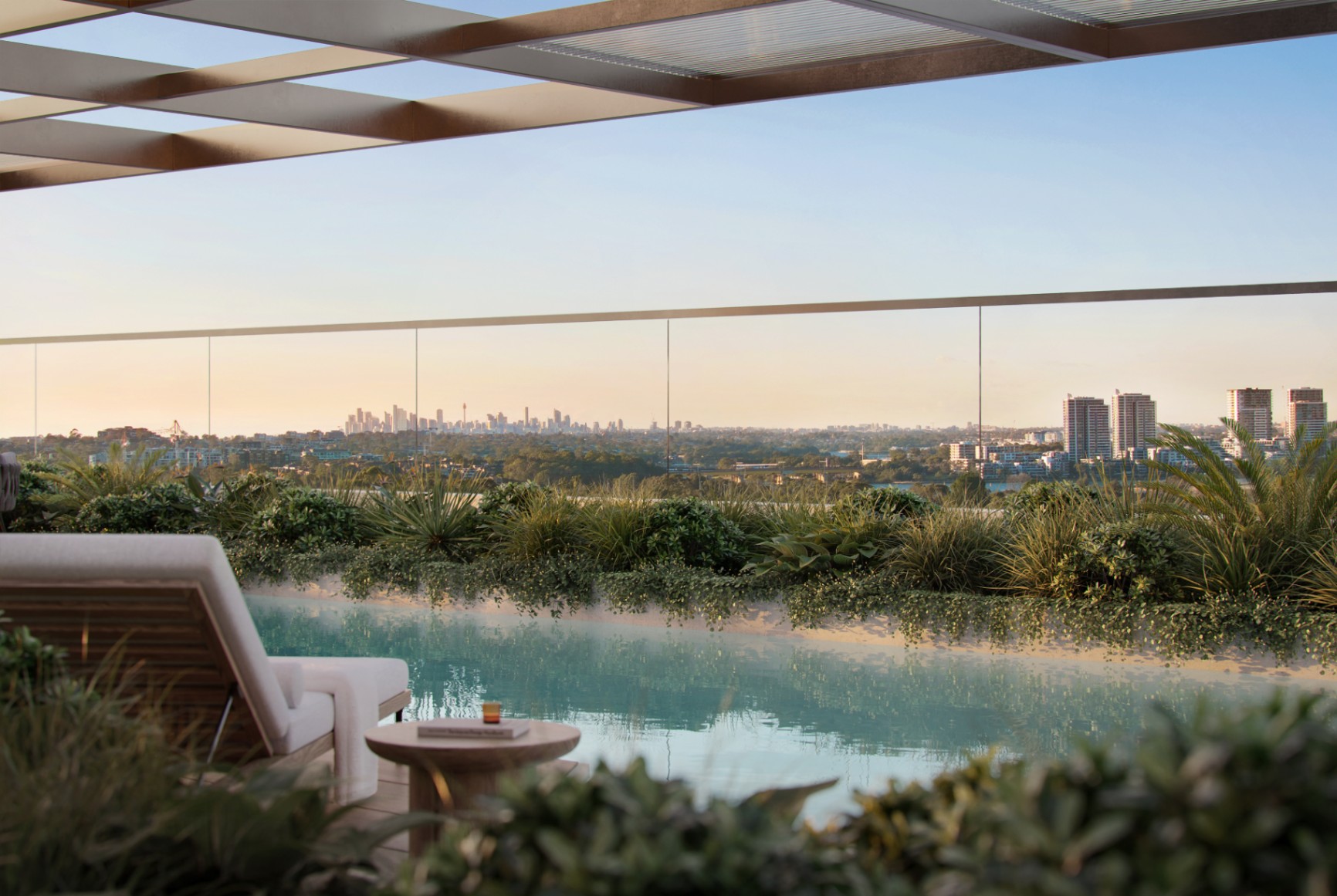 Buy with $18K | Sydney Real Estate Market | Buy Property in NSW
Aeris | Melrose Park NSW | $18K deposit | Secure with $18k and $246 x 79 weeks
The relationship between walkable neighbourhood design and social connection is one of the more robust findings in urban health research. Residents of walkable neighbourhoods, where daily needs can be met on foot and where pedestrian-scale street design encourages movement through public space, report higher levels of social connection and community belonging than residents of car-dependent environments with comparable demographic profiles.
The mechanism is repeated exposure. When people walk to a local café, a park, a school, or a shop, they encounter their neighbours in public space. Those encounters, even when brief and superficial, accumulate into a sense of community familiarity that reduces social isolation. In car-dependent environments, the same trips happen in ways that eliminate these encounters entirely.
The 15-Minute City: Could Everything You Need Be Closer to Home? covers the urban planning framework that most directly addresses this, with walkable local environments as a central objective.
For apartment residents specifically, the design of shared spaces within buildings has implications for social connection that go beyond the individual dwelling. Buildings that design common spaces as genuine gathering places, rather than purely functional corridors, lobbies, and utilities, create more opportunities for the incidental contact that builds community within a building.
Communal rooftop areas with outdoor kitchens, gardens, and seating areas that people actually use generate encounters between residents that would not otherwise occur. Ground floor lobbies that feel welcoming rather than institutional encourage brief conversations. Communal facilities like gyms, coworking spaces, and laundry areas create shared routines that bring residents into contact on a regular basis.
The design quality of these spaces matters because space that people avoid provides none of these benefits. A poorly maintained rooftop that offers no shelter from sun or rain, a gym with inadequate equipment, or a lobby that feels unsafe will not generate the social activity that good design would support. The investment in shared space design is partly an investment in the social environment of the building.
From Rooftop Gardens to Shared Workspaces: The Changing Role of Apartment Amenities covers the amenity dimension of this question in more detail.
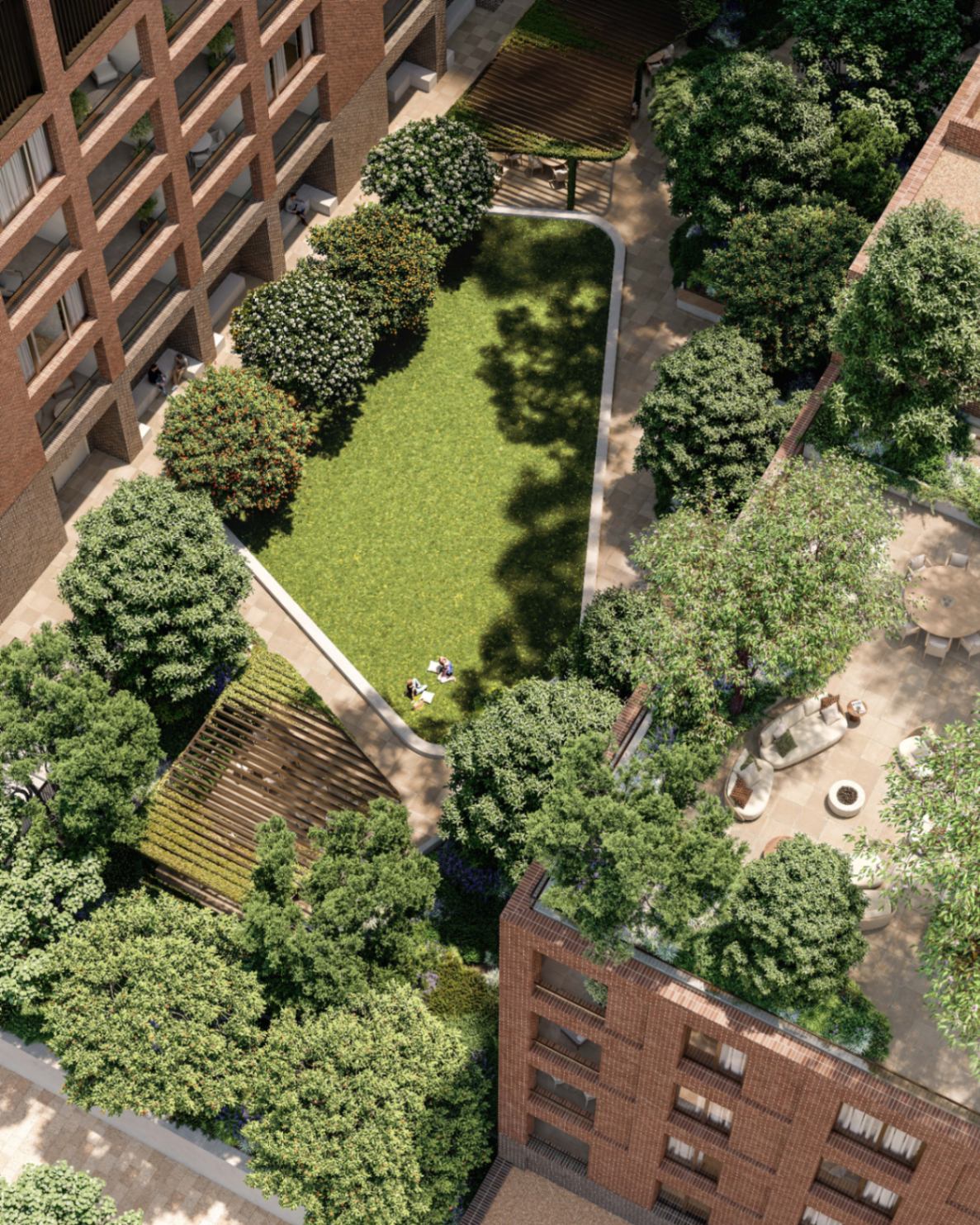 Buy with $10K | Sydney Real Estate Market | Buy Property in NSW
Kings Bay Village | Five Dock NSW | Buy with $10K | Secure with $10k and $715 x 98 weeks
The socioeconomic characteristics of a neighbourhood affect individual wellbeing in ways that extend beyond individual household income. Research consistently finds that people living in disadvantaged neighbourhoods have worse health outcomes than their individual income and wealth would predict, and that people in more advantaged neighbourhoods have better outcomes. The neighbourhood effect operates through multiple channels: quality of local services, ambient stress, environmental quality, and the social norms and networks that characterise different communities.
For housing decisions, this means that the neighbourhood context of a property affects wellbeing in ways that are not fully captured by the characteristics of the dwelling itself. Access to quality local schools, the safety and usability of public space, the quality of local health services, and the social environment of the community all affect residents' daily experience and over time their health and life outcomes.
This is not an argument for social segregation or for avoiding areas with socioeconomic challenges. It is an argument for understanding the neighbourhood context of a housing decision as a genuine determinant of experience and outcome, not merely a backdrop to it.
Different housing types create different social environments, and the evidence on which is better for wellbeing is more nuanced than the conventional Australian preference for detached housing would suggest.
Well-designed medium density housing, including townhouses, terraces, and low-rise apartments, can support stronger social connection than either high-rise apartments or low-density detached housing. The scale of these developments allows for genuine community while the building design creates natural opportunities for interaction that high-rise towers with large numbers of units make difficult.
The quality and condition of housing also affects wellbeing in ways beyond basic shelter. Residents of overcrowded, poorly maintained, or thermally inadequate housing report worse mental health outcomes than those in housing that meets their needs, even after controlling for other socioeconomic factors. The direct experience of living in a home that works, that is comfortable, well-lit, thermally appropriate, and properly maintained, contributes to wellbeing in ways that are easy to underestimate until you experience their absence.
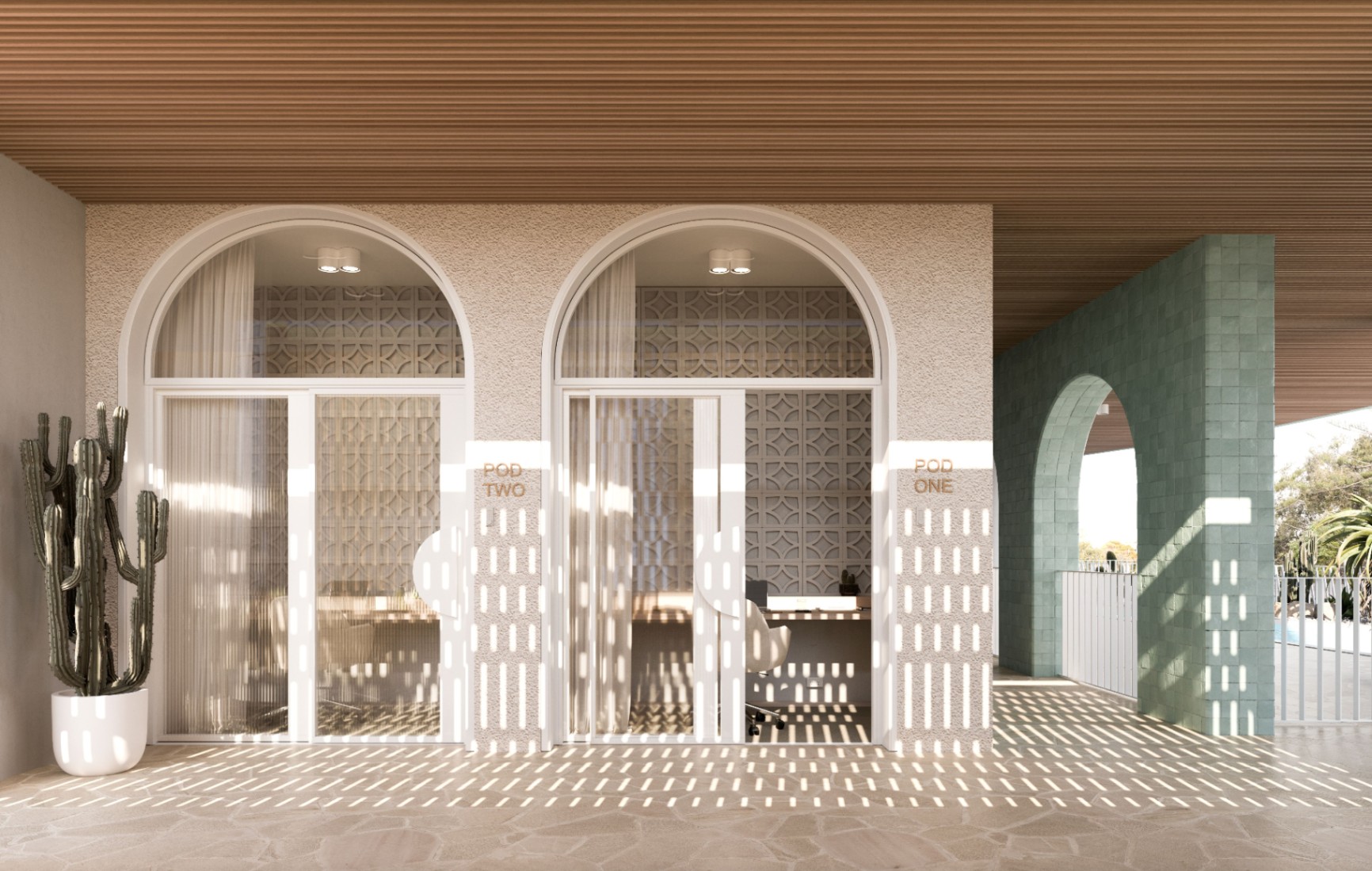 Coposit | Buy with $10K | Gold Coast Real Estate Market | Buy Property in QLD
Onde | Kirra | Coolangatta QLD | $10K deposit | Secure with $10k and $1,729 x 46 weeks
The social and wellbeing dimensions of housing decisions are rarely foregrounded in how property is marketed or how buyers typically evaluate options. Price, size, features, and location tend to dominate, with the social environment of a neighbourhood and the community character of a building treated as background considerations.
The research suggests these factors deserve more weight. Where you live shapes who you encounter, what services you can access, what your daily routine looks and feels like, and over time what your health outcomes are. A housing decision is not just a financial decision or a lifestyle choice. It is a decision about the social environment you inhabit and the community you become part of.
Giving that dimension appropriate weight alongside the financial and practical considerations is what well-considered housing decisions look like.
To explore developments in locations with strong community and amenity fundamentals, browse the Coposit projects page, download the Coposit app, or contact the team.
Share this article



Follow Coposit:


© 2025 Copyright Coposit.

