

Lifestyle inflation is the tendency for spending to increase in proportion to income. As earnings grow, so does expenditure, on housing, on food, on travel, on clothing, on entertainment. The spending increase often feels justified because the income supports it. The result is that the savings rate remains flat or declines even as income grows.
For Australians who are trying to save for a first home deposit, lifestyle inflation is one of the most common and least discussed reasons that the target keeps moving. Income grows. The expected deposit grows with property prices. And the spending that fills the gap between income and savings grows to match. The deposit remains perpetually out of reach not because of financial hardship but because of the invisible ratchet of spending that rises to meet available income.
 Coposit | Buy with $10K | Canberra Real Estate Market | Buy Property in ACT
Gateway Braddon | Braddon ACT | $10K deposit | Secure with $10k and $167 x 74 weeks
The mechanism of lifestyle inflation is largely psychological rather than deliberate. Few people sit down and consciously decide to spend more as they earn more. The increases happen incrementally and feel individually justified.
A small pay rise leads to upgrading from a shared apartment to a one-bedroom alone. The one-bedroom leads to better furniture. Better furniture creates a desire for better homewares. A promotion leads to eating out more frequently because the higher income justifies the expense. A stronger year financially leads to a more expensive holiday. The coffee upgrades from a home-made brew to a daily café purchase. The gym membership is added. The streaming subscriptions accumulate.
Each individual decision is defensible. The aggregate effect on the savings rate is significant.
Research in behavioural economics identifies a specific pattern called hedonic adaptation, the tendency for material improvements to our circumstances to quickly become the new baseline rather than remaining sources of satisfaction. The upgraded apartment that felt luxurious in the first month becomes normal within three months. The spending increase that produced it remains.
The opportunity cost of lifestyle inflation in the context of saving for a first home is best understood through specific numbers.
An individual who earns $90,000 annually and saves 15% of income saves $13,500 per year. Over four years, that is $54,000, enough for a deposit on a property in many Australian markets.
The same individual who experiences lifestyle inflation and saves 8% of income saves $7,200 per year. Over the same four years, that is $28,800, not enough for a deposit in most capital city markets, leading to a continuation of saving rather than a purchase.
The difference in savings rate is 7 percentage points. The difference in outcome over four years is $25,200 and, in an appreciating market, the difference in the accessible property may be significantly larger as prices have continued to move during the extended saving period.
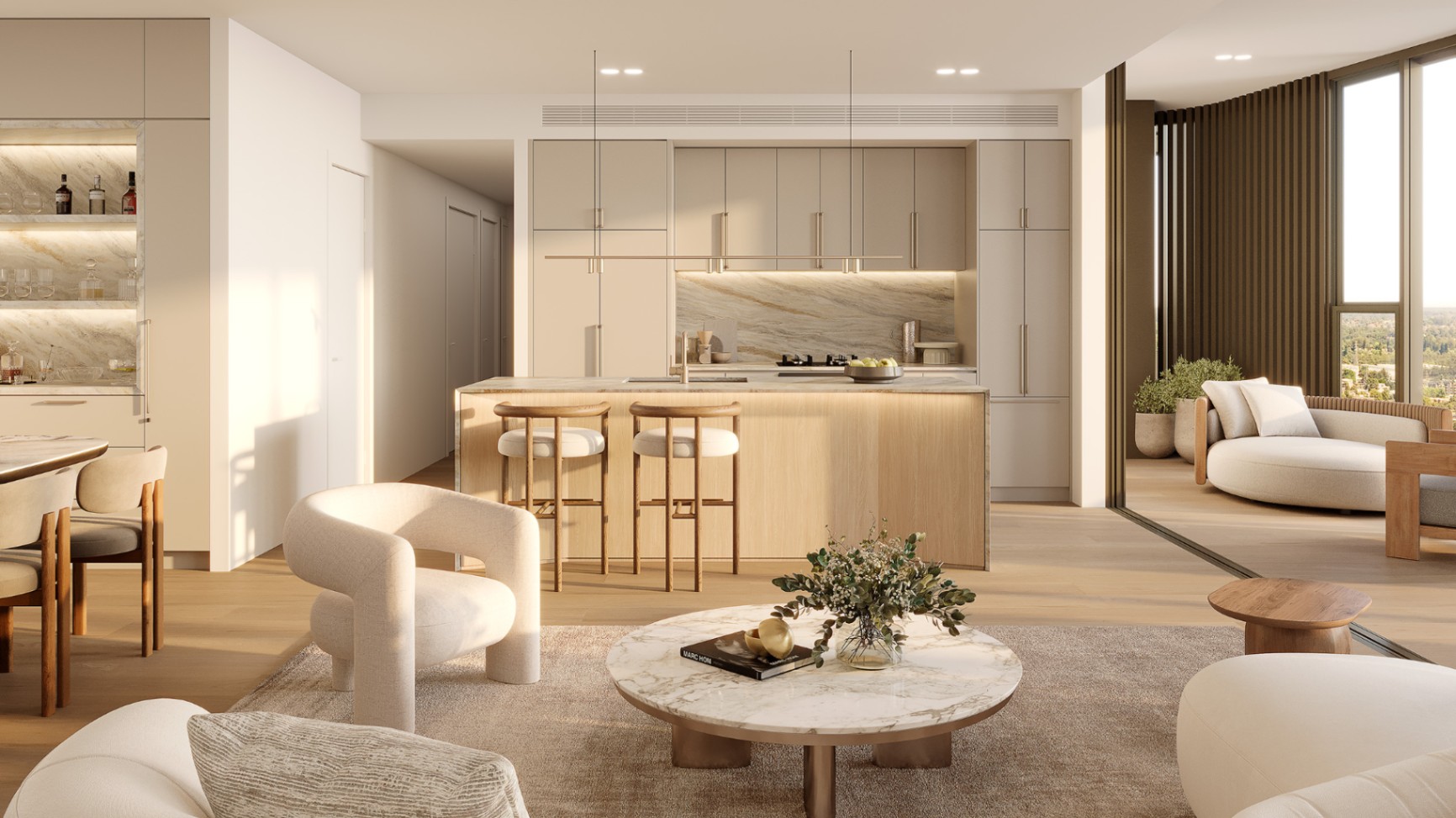 Coposit | Buy with $10K | Sydney Real Estate Market | Buy Property in NSW
Concord Central | Concord West | $10K deposit | Secure with $10k and $418 x 151 weeks
Several categories of spending consistently represent the highest-impact areas of lifestyle inflation for Australian first home buyers.
Housing costs. Upgrading to a nicer rental as income improves is the most expensive form of lifestyle inflation for aspiring buyers. Each upgrade in rental quality represents a direct transfer from the deposit savings rate to the rental market. Living in a less expensive rental than income would support is one of the highest-return investments a first home buyer can make.
Food and dining. The increase from home cooking to regular café breakfasts, work lunches purchased out, and weekly restaurant dinners adds several hundred dollars per week to spending that could be directed to savings without any reduction in genuine wellbeing.
Subscriptions and convenience spending. The accumulation of subscription services, food delivery platforms, and convenience spending that multiplies with income creates spending that is individually small but collectively significant. An honest audit of subscriptions and convenience spending typically reveals $300 to $600 per month that is not providing proportional value.
Vehicle upgrades. Upgrading a car with a pay rise, or acquiring a car when previously car-free, is a significant lifestyle inflation event with long-term cost implications through insurance, registration, fuel, and maintenance.
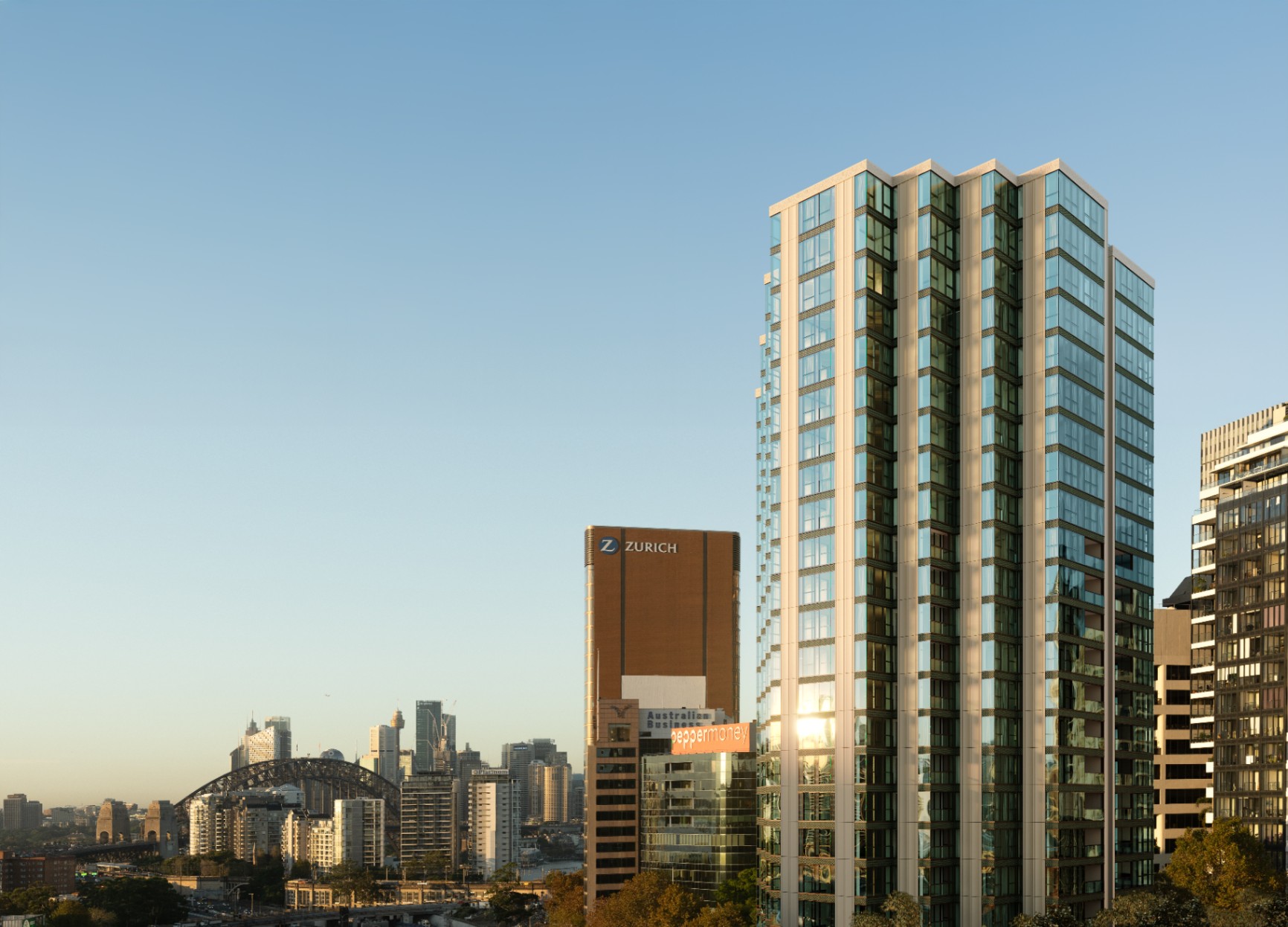 The Walden | Buy with Coposit |North Sydney Real Estate Market | Buy Property in NSW
Walden | North Sydney | Buy with $10K deposit | Secure with $10k and $2,256 x 98 weeks
Managing lifestyle inflation is not about deprivation. It is about intentional trade-off decision making rather than allowing spending to drift upward automatically as income grows.
Automating savings so that the deposit contribution leaves the account before discretionary spending decisions are made is one of the most reliable mechanisms. Saving what is left after spending does not work as well as spending what is left after saving.
Setting a specific target, not a vague aspiration but a specific property, at a specific price, with a specific deposit amount and timeline, converts the abstract goal of homeownership into a concrete financial objective. Concrete objectives are more effective at moderating competing spending than abstract aspirations.
Progressive deposit models like Coposit create a specific, fixed weekly commitment from the moment of exchange. The instalment amount is defined and predictable, which functions as a structured discipline against the drift of lifestyle inflation during the construction period.
Read The Psychology of Saving for Your First Home for a complete exploration of the behavioural dynamics of saving for a deposit.
Read Should You Use All Your Savings for a House Deposit for a complete analysis of how to balance deposit saving against other financial needs.
Browse current Coposit listings on the projects page, download the Coposit app, or contact the Coposit team to understand which purchase structures suit your current financial position.
This article is general information only and does not constitute financial advice. Always seek independent financial advice before making any property decisions.
Share this article



Follow Coposit:


© 2025 Copyright Coposit.

