

You've decided you're ready to buy. You've ruled out a freestanding house for now because the price tag isn't realistic. So the question becomes: townhouse or apartment?
It's one of the most common decisions first home buyers face in 2026, and the answer isn't the same for everyone. The right choice depends on where you're buying, what stage of life you're in, how much you can borrow, and what you actually want from your first property.
Here's what's worth thinking through before you decide.
An apartment is a self-contained dwelling within a larger building. You share walls, ceilings, floors, lifts, lobbies, and common areas with other residents. Body corporate fees cover shared maintenance and facilities.
A townhouse is typically a multi-level home with at least one shared wall, its own entrance, and a small private outdoor area. It sits somewhere between a freestanding house and an apartment in terms of space, privacy, and price.
Both are popular entry points for first home buyers who can't yet stretch to a detached house in their preferred location.
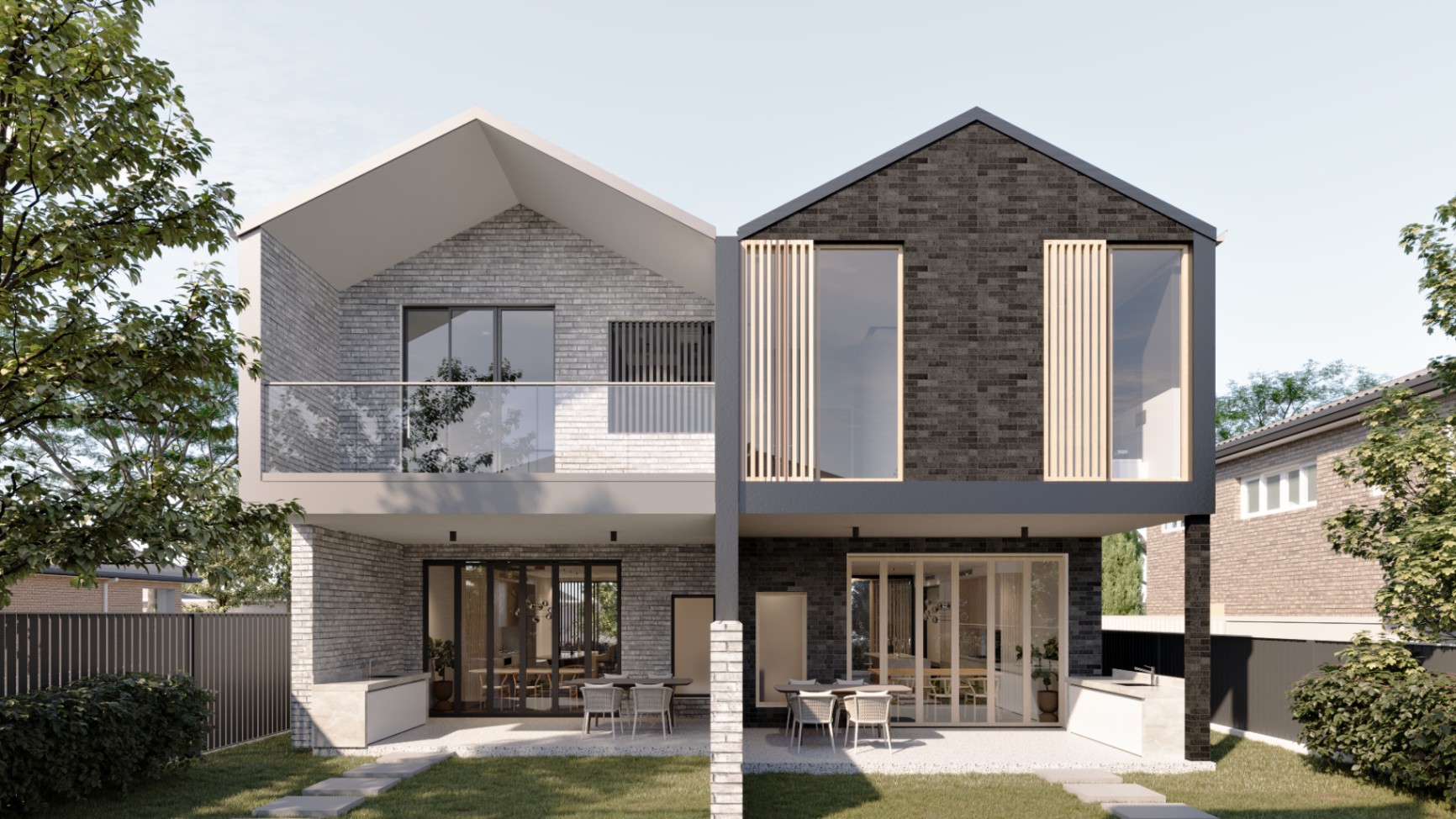 Coposit | Buy with $50K | Sydney Real Estate Market | Buy Townhouse in NSW
Casa Mendel | Concord West NSW | $50K deposit | Secure with $50k and $3,637 x 22 weeks
In most Australian capital cities, apartments offer the lowest entry point into the property market. In Sydney, Brisbane, and Perth, the gap between apartment and townhouse prices can be significant, particularly in established or inner-ring suburbs.
For buyers who are stretching to get into a particular location, an apartment may be the only realistic option without compromising heavily on suburb.
Apartments come with lower day-to-day maintenance demands. External upkeep, common area maintenance, and building repairs are typically managed through the body corporate. For buyers who travel frequently, work long hours, or simply don't want the time commitment of maintaining a property, that's a real advantage.
Apartments have historically lagged behind houses in capital growth, partly because buyers pay for the building rather than the land underneath it. But that dynamic has been shifting.
As affordability pressures have pushed more buyers toward apartments, demand has increased and the price gap with houses has narrowed in several markets. In Sydney, Brisbane, and Perth in particular, apartment values have been recording stronger growth relative to houses in recent periods, driven by tight supply and buyers moving down the price ladder.
This doesn't mean apartments will always outperform, but the assumption that they're poor performers compared to houses is less clear-cut than it once was.
 Coposit | Buy with $26K | Sydney Real Estate Market | Buy Property in NSW
Waterstone | St Leonards NSW | $26K deposit | Secure with $26k and $544 x 60 weeks
For singles, couples without children, young professionals, and buyers who prioritise location over space, an apartment in the right suburb can offer a lifestyle that a townhouse in a more distant location simply can't match.
Townhouses typically offer more floor space than apartments at a comparable price point, often across two or three levels. They usually include a private outdoor area, a separate entrance, and no neighbours directly above or below.
For buyers who work from home, have children, or simply want more room to grow into, that additional space can make a significant quality-of-life difference.
A two or three bedroom townhouse with a courtyard is a very different proposition to a two bedroom apartment when you're thinking about the next five to ten years. Many first home buyers buy with one eye on whether the property will still suit them as their life changes.
Townhouses tend to age better for owner-occupiers who want to stay put. They offer more flexibility for lifestyle changes without requiring a move.
Townhouses generally offer more scope for internal improvements than apartments, which are often subject to stricter body corporate rules around modifications. The ability to add value through renovations can be meaningful for buyers thinking about long-term equity building.
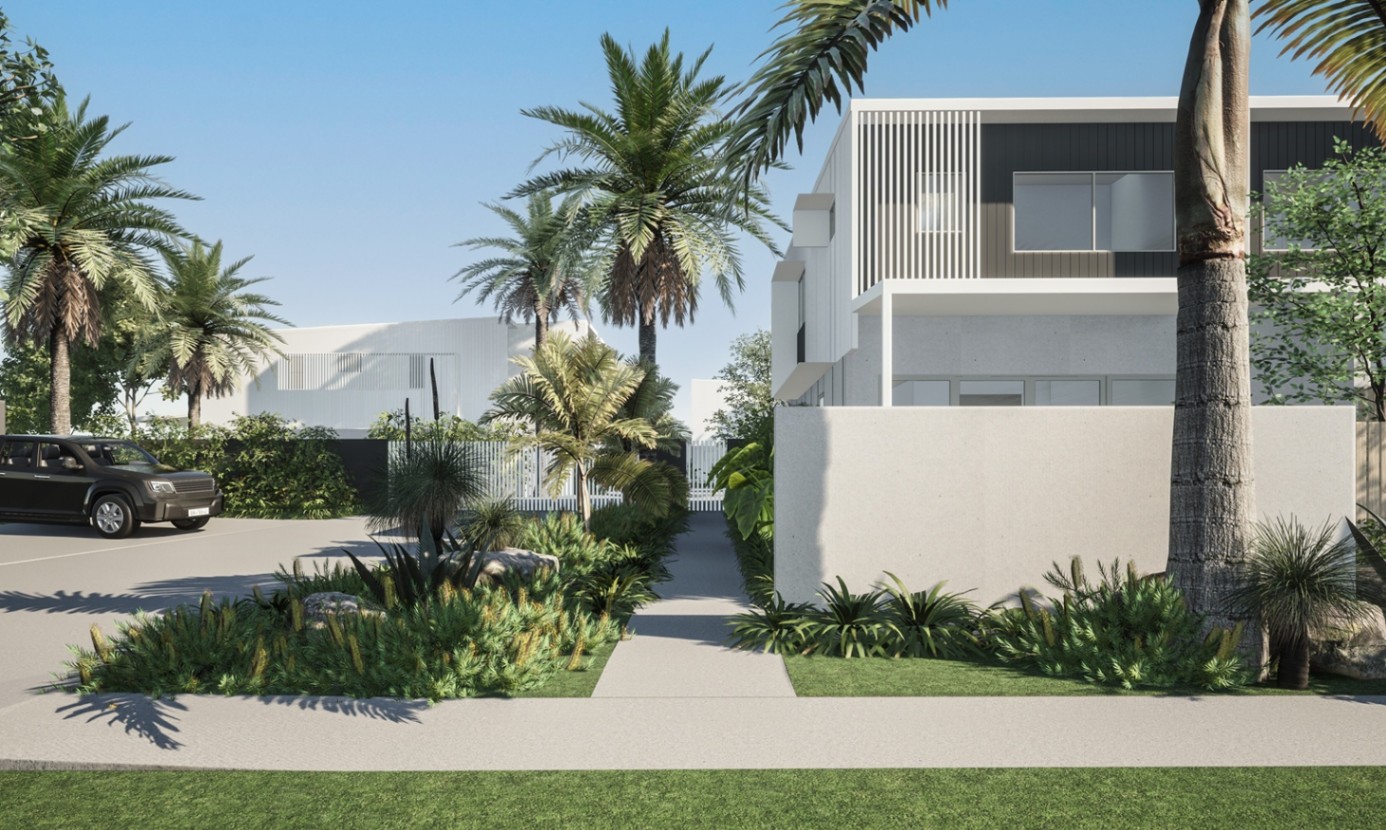 Coposit | Buy with $15K | QLD Real Estate Market | Buy Townhouse in Deception Bay
Bolo | Deception Bay QLD | $15K deposit | Secure with $15k and $1,546 x 42 weeks
While townhouses do typically have body corporate fees, they're often lower than those of larger apartment complexes with extensive shared facilities like pools, gyms, and concierge services. Lower ongoing costs matter when you're already stretching to meet mortgage repayments.
The evolution of townhouse and boutique apartment living in suburbs like Castle Hill is a useful example of how the market is changing.
Buyers in suburban Sydney are increasingly choosing well-designed new developments over older freestanding properties, not just because of price, but because of what those properties offer. Thoughtfully built boutique developments in established suburbs can deliver quality finishes, shared amenity, and genuine lifestyle value at price points that work for first home buyers and downsizers alike.
Steve Harb of CBD Core, who has developed more projects in Castle Hill than any other developer, puts it plainly:
the standard of what buyers expect from a new development has risen significantly. Buyers aren't just looking for somewhere to live. They want something that reflects their lifestyle and holds its value.
That shift matters when choosing between property types. A well-built new townhouse or boutique apartment in a good suburb is a very different proposition to an older stock unit in the same area.
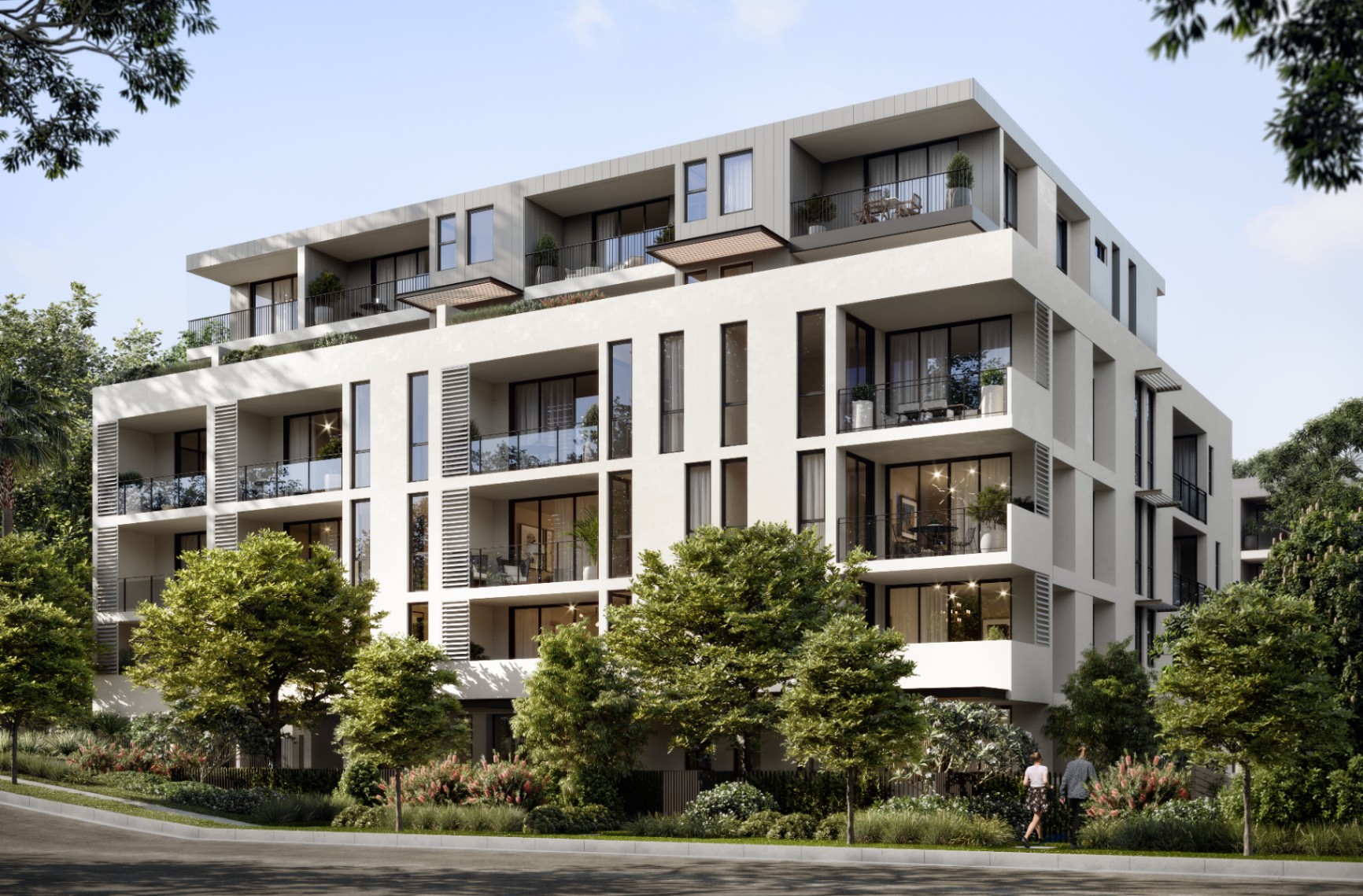 Coposit Sydney Real Estate Market | Off the Plan Property in Castle Hill
Argo | by CBD Core| Castle Hill NSW | Secure with $10K | Ready to Move In Now
Where do you want to be in five years? If your life is likely to change significantly -- a growing family, a shift to working from home, a move interstate -- the flexibility of a townhouse may serve you better than an apartment you'll outgrow.
How important is location vs space? An apartment in an inner suburb will almost always beat a townhouse in a more distant area if location is your priority. But if space and lifestyle suit your needs better, a townhouse in a suburb slightly further out may offer better long-term value.
What are the body corporate fees? Always compare the ongoing costs of both options. A cheaper apartment with high strata fees may cost more to hold than a more expensive townhouse with lower body corporate fees.
What does the building look like? For apartments particularly, the quality and age of the building matters. Older apartment buildings can carry significant maintenance risk. New developments offer modern construction standards, warranties, and lower immediate maintenance costs.
Are you buying to live in or to invest? If this is primarily an investment, yield and growth potential matter more than lifestyle considerations. If you're buying to live in, your own needs and preferences should carry more weight.
The townhouse vs apartment question doesn't have a single correct answer. It has the right answer for your circumstances, your budget, your lifestyle, and your timeline.
What has changed in 2026 is the quality of both options available to first home buyers through new developments. The gap between apartment living and townhouse living has narrowed as developers respond to what buyers actually want: well-designed spaces, good finishes, private outdoor areas where possible, and locations that work for how people live today.
Whether you're leaning toward an apartment or a townhouse, exploring off-the-plan options through Coposit lets you secure a property with $10,000 upfront and spread the remaining deposit in weekly instalments while the development is under construction. It's worth comparing what's available across both property types before you commit.
Browse eligible townhouse and apartment developments across NSW, QLD, and WA here or through the Coposit app.
Coposit helps buyers get into new developments sooner by spreading the deposit over time. To explore eligible properties or learn how it works, download our app or contact our team.
Share this article



Follow Coposit:


© 2025 Copyright Coposit.