

Property valuation is one of the most practically important concepts in off the plan purchasing and one that buyers often do not think about until it creates a problem at settlement.
Understanding what a valuation is, when it happens, and what happens when it comes in below the contracted purchase price is essential knowledge before you exchange contracts.
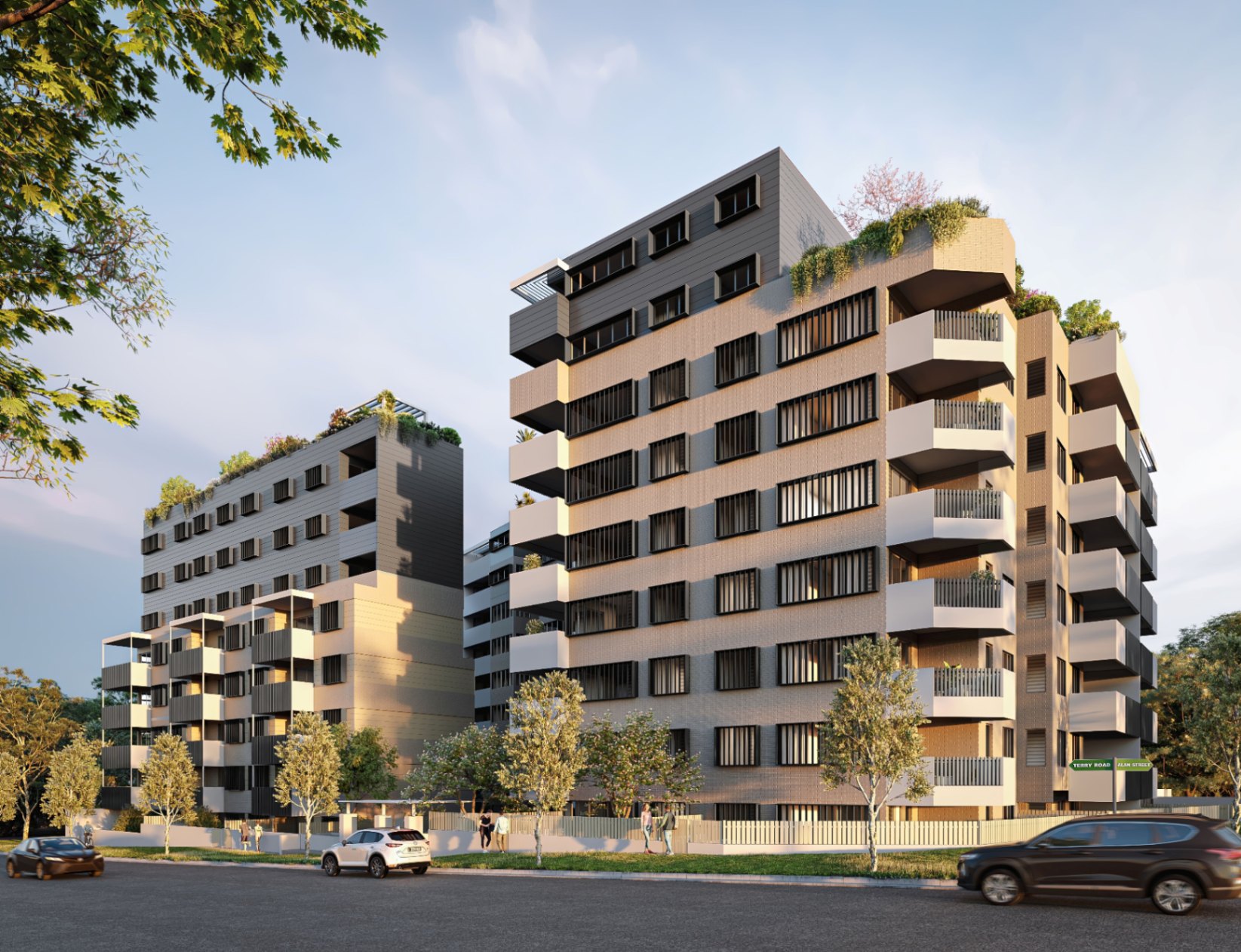 Coposit | Buy with $10K | Sydney Real Estate Market | Buy Property in NSW
Sky Box Hill | Box Hill NSW 2765 | $10K deposit | Secure with $10k and $520 x 104 weeks
A property valuation is an independent assessment of a property's market value conducted by a licensed valuer. It is not the same as the purchase price. It is not the developer's asking price. It is an independent opinion of what the property is worth in the current market, based on comparable sales and the physical characteristics of the specific property.
Lenders commission independent valuations before approving home loans. They will not advance a loan based on the contracted purchase price alone. They lend based on the lower of the contracted purchase price or the valuation figure. This is a fundamental feature of Australian mortgage lending that every off the plan buyer needs to understand.
For off the plan purchases, the lender's valuation cannot occur until the building is complete and the finished property can be physically inspected and measured by the valuer.
This means the valuation happens close to the settlement date, not at exchange. There is a gap of 12 to 36 months between when the purchase price is locked in at exchange and when the lender's valuation determines how much the bank will actually advance.
During that gap, the property market can move in either direction. The valuation at settlement reflects the market conditions at settlement, not the conditions that existed when the purchase price was agreed at exchange. This is one of the most important asymmetries in off the plan purchasing that buyers need to understand before committing.
If the lender's valuation comes in at or above the contracted purchase price, there is no issue. The lender advances the loan based on the contracted price. Settlement proceeds as expected.
In markets where values have grown during the construction period, the valuation may come in above the contracted price. The buyer settles into equity before making their first mortgage repayment. This is one of the key advantages of off the plan purchasing in appreciating markets and the reason experienced investors look for markets with genuine demand and constrained supply when selecting projects.
 Coposit | Buy with $10K | Gold Coast Real Estate Market | Buy Property in QLD
The Alfred Residences | Mermaid Beach QLD | $10K deposit | Secure with $10k and $2,404 x 52 weeks
A valuation shortfall occurs when the lender's independent assessment of the property's value is below the contracted purchase price. The lender will only advance a loan based on the lower valuation figure. The buyer is legally committed to paying the contracted price, which is higher than the lender is prepared to fund.
The gap between the valuation and the contracted price must be funded by the buyer from their own resources. For a $750,000 contracted price with a $720,000 valuation, the $30,000 shortfall needs to come from the buyer's savings rather than from the home loan.
Options when a shortfall occurs include funding the gap from savings, seeking a second valuation from a different lender who may assess the property differently, negotiating with the developer to reduce the purchase price to reflect current market conditions, or in some circumstances seeking to exit the contract, which involves its own legal and financial costs and consequences.
Valuation risk is most acute when buying in a market with significant new supply that will be settling at the same time, when the contracted price was set at a peak market period that has since corrected, or when the property type is one that lenders assess conservatively.
Buying in supply-constrained markets with genuine underlying demand reduces valuation risk. Properties in established inner-city and coastal locations have more comparable sales supporting valuations than properties in emerging suburbs with thin comparable sales data.
Having a financial buffer above the minimum deposit provides room to absorb a modest shortfall if it occurs. A buyer who has only the exact deposit required with no additional savings has no capacity to address a valuation shortfall without seeking new financing.
Read [What Happens if Your Property Valuation Comes in Low at Settlement](What Happens if Your Property Valuation Comes in Low at Settlement) for a complete explanation of what price locking does and does not protect against.
Browse current Coposit listings on the projects page, download the Copsoit app, or contact the Coposit team to discuss valuation risk for specific projects and markets.
This article is general information only and does not constitute financial advice. Always seek independent financial advice before making any property decisions.
Share this article



Follow Coposit:


© 2025 Copyright Coposit.

