

Buying a warehouse in Sydney can be a strong commercial property move. Warehouses support logistics, light industrial use, storage, and trade businesses. Demand remains solid across many Sydney industrial zones. But commercial property comes with different risks compared to residential.
Proper due diligence protects your capital and future income. Skipping steps can lead to costly surprises after settlement.
This guide breaks down the key due diligence checks you should complete before buying a Sydney warehouse.
Zoning is critical in commercial property.
Before anything else, confirm the zoning with the local council. Warehouses are usually zoned as industrial, but permitted uses vary.
Check whether the zoning allows:
A warehouse that cannot be legally used by future tenants limits demand and resale value.
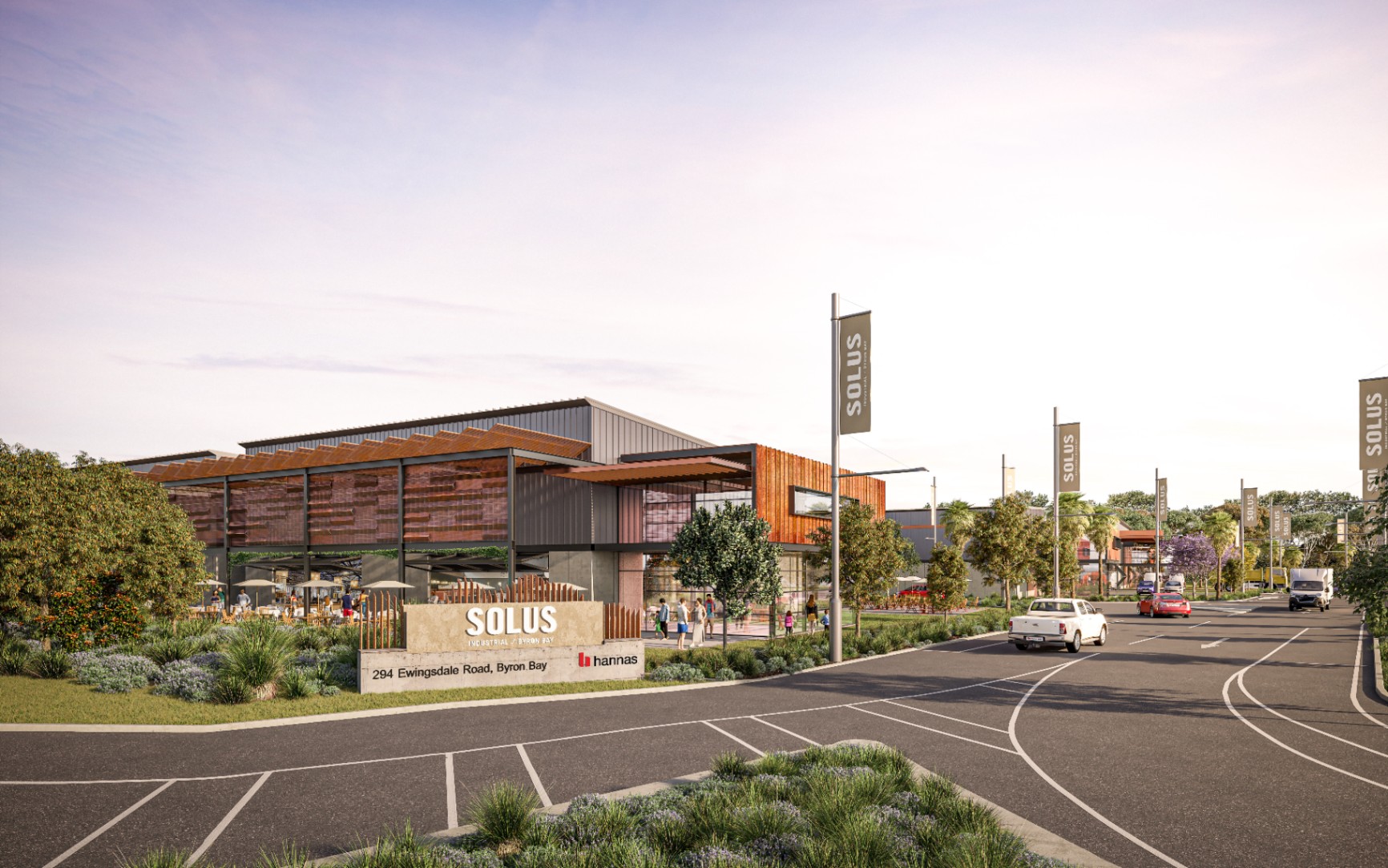 Coposit | Buy with $10K | Off the plan property | Industrial Property Investment | Byron Bay
Solus Industrial Byron Bay | Off the plan industrial | Secure with $20k and $12,513 x 25 weeks
Not all Sydney warehouse locations perform the same.
Key industrial areas include:
Assess:
Logistics efficiency drives rental demand.
If the warehouse is leased, the tenant matters more than the building.
Review the lease in detail.
Focus on:
A long lease with strong rent reviews provides income certainty. A short lease increases risk but may offer upside.
Warehouse pricing is driven by yield.
Calculate the net yield, not just the headline return.
Net yield considers:
Sydney warehouse yields typically range depending on location and tenant quality. Always stress test cash flow with vacancy assumptions.
Warehouses age differently from homes.
Engage a commercial building inspector and engineer.
Key elements to inspect include:
Structural issues can be expensive to fix and may impact insurability.
 Coposit | Buy with $10K | Off the plan property | Industrial Property Investment | Northmead
Stream Northmead | Off the plan industrial | Secure with $20k and $4,567 x 12 weeks
Commercial compliance is strict.
Confirm the warehouse meets:
Non-compliance can delay leasing and increase costs.
Older industrial land may carry environmental risks.
Order an environmental assessment if the site has prior industrial use.
Check for:
Environmental issues can reduce property value and complicate financing.
Warehouses often operate on net leases, but confirm this.
Clarify who pays:
Unexpected outgoings reduce real returns.
Functionality drives demand.
Assess:
A functional warehouse leases faster and holds value better.
Commercial lending is stricter than residential.
Before exchange, confirm:
Lenders value income security more than speculative upside.
If the warehouse is strata titled, request full records.
Review:
Strata disputes or underfunded maintenance can impact returns.
Always engage a solicitor experienced in commercial property.
They should review:
Commercial contracts offer less buyer protection than residential.
Finally, understand your exit.
Ask yourself:
Strong due diligence looks beyond today’s numbers.
Buying a warehouse in Sydney can deliver strong income and long-term value. But success depends on detail.
Zoning, leases, building condition, compliance, and location all matter. Commercial property rewards informed buyers who prepare thoroughly.
When the due diligence is done properly, a Sydney warehouse can be a resilient and valuable asset in a diversified property portfolio.
Share this article



Follow Coposit:


© 2025 Copyright Coposit.