

The relationship between interest rates and property prices is one of the most discussed topics in Australian property and personal finance. The intuition that lower rates push prices up and higher rates push prices down is broadly correct. But the relationship is considerably more nuanced than that simple version suggests, and the timing between a rate change and its observable effect on prices is longer and less predictable than many buyers and sellers assume when they are making decisions.
Understanding how the mechanism actually works, and where the common assumptions break down, is useful for any buyer trying to time a purchase or understand the market conditions they are entering.
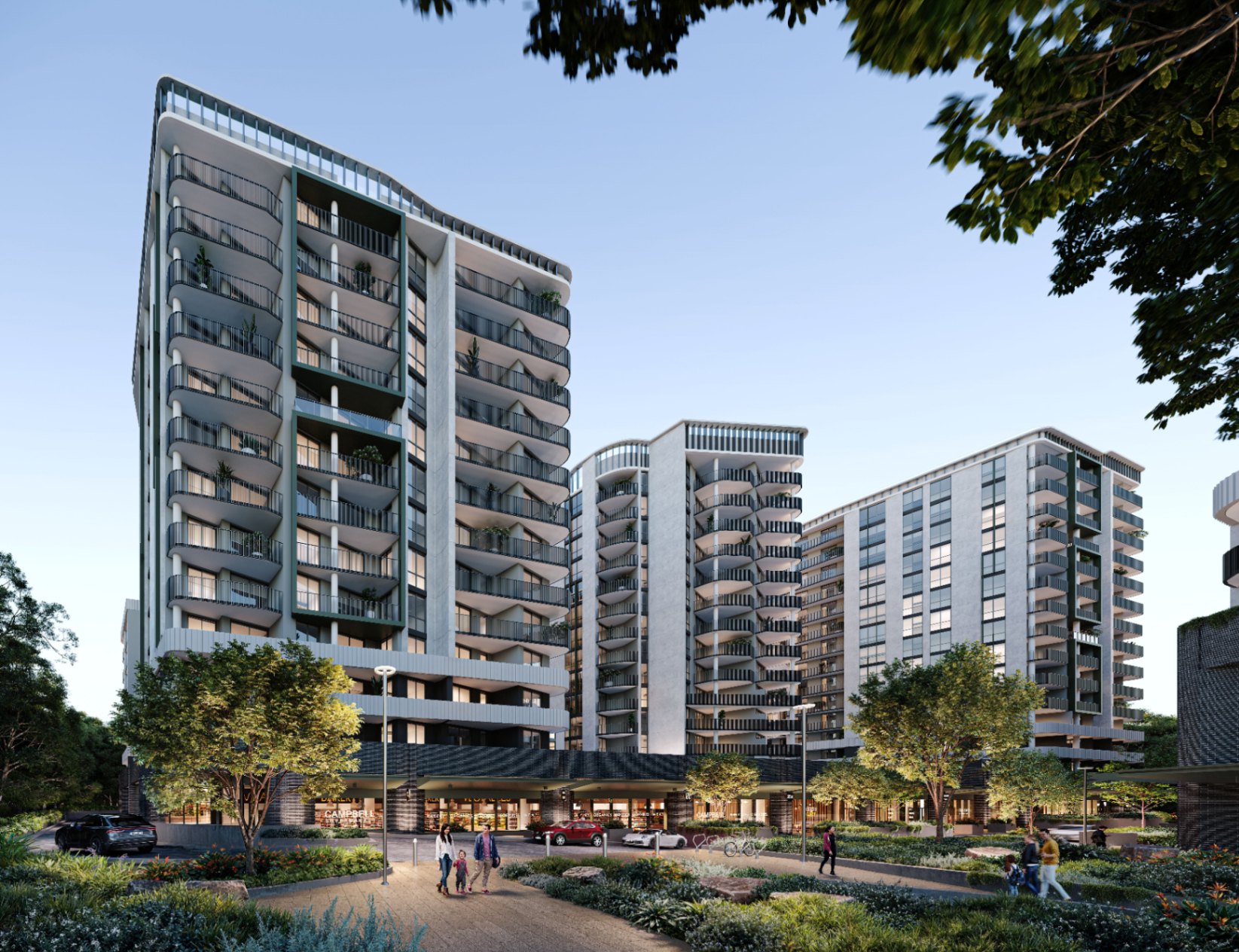 Coposit | Buy with $10K | Sydney Real Estate Market | Buy Property in NSW
Queen Square | Campbelltown NSW | $10K deposit | Secure with $10k and $307 x 155 weeks
The primary mechanism runs through borrowing capacity. When interest rates fall, a given income can service a larger mortgage at the same monthly repayment level. Buyers who could previously borrow $600,000 at 6% can borrow more at 4%. If enough buyers in a market can collectively bid more, prices are pushed upward.
When interest rates rise, the reverse applies. The same income services a smaller loan. Monthly repayments on the same purchase price increase. Buyers reduce their maximum bids, or drop out of the market entirely if affordability becomes too strained. If enough buyers pull back, prices soften or decline.
This is the fundamental mechanism. But several complicating factors affect how it plays out in practice, and ignoring them produces predictions that are regularly wrong.
Rate changes do not translate immediately into price changes. There are delays on both sides of the equation, and those delays are longer than most market commentary acknowledges.
When rates fall, buyers who are ready to move and already in the market respond relatively quickly. But a significant portion of the potential buyer cohort is not ready, needing time to save a deposit, find a suitable property, obtain pre-approval, or simply make the decision to buy. Do you need home loan pre-approval before buying off the plan explains one part of the preparation process that takes time regardless of what rates are doing. The full price response to falling rates can take six to eighteen months to materialise completely as the larger buyer cohort mobilises.
When rates rise, sellers often do not immediately reduce asking prices. They wait to see whether the market adjusts, hold out for the prices they expected based on recent comparable sales, and reduce listing volumes rather than prices in the initial phase. This is why the early stage of a rate rise cycle typically shows sharply lower transaction volumes before the price impact becomes visible. The adjustment is real but delayed.
The RBA's tightening cycle between May 2022 and November 2023 provides a clear Australian case study. The cash rate moved from 0.1% to 4.35% in the fastest tightening in modern Australian history. Property prices in most major cities fell from their 2022 peaks, with Sydney declining approximately 15% from peak to trough and Melbourne somewhat less.
What happened next was not what many market commentators predicted. Prices recovered substantially faster than expected in most markets, with Sydney and Brisbane recovering most of their losses by late 2023 and into 2024. The recovery happened while interest rates were still at their peak, before any rate cuts were delivered, because the supply side of the market tightened as construction activity slowed and new listings remained constrained.
This cycle demonstrated clearly that while interest rates are an important driver of property prices, they interact with supply conditions, population growth, and buyer confidence in ways that make linear predictions about price movements based solely on rate direction frequently wrong.
For buyers who are financially ready to purchase, waiting specifically for interest rate cuts to improve their position involves trade-offs that are worth calculating honestly.
If rates fall and prices rise in response, the buyer who waited has improved borrowing capacity but faces higher purchase prices. The lower rate and the higher price offset each other partially or fully, depending on the extent of each movement. The buyer has also paid rent throughout the waiting period without building equity.
If rates fall more slowly than expected, or fall by less than anticipated, or are accompanied by policy changes that limit their effect on property demand, the buyer has waited for a benefit that did not arrive as expected.
The psychology of saving for your first home touches on the paralysis that rate uncertainty can create for buyers who are otherwise ready. The practical question is not whether rates will fall. It is whether the buyer can comfortably service a loan at current rates on a property that suits their needs. If the answer is yes, the case for waiting is considerably weaker than it might appear.
For buyers purchasing off-the-plan properties that will not settle for twelve to twenty-four months, the rate environment at contract signing is separate from the rate environment at settlement. A buyer who signs a contract now and settles in eighteen months may benefit from a rate environment at settlement that differs substantially from today.
When do you need a home loan when buying off the plan explains how the finance timeline works for off-the-plan purchases, which is a structural aspect of this purchase type that is often misunderstood. The mortgage is not arranged at contract, it is arranged closer to settlement, which means the rate at which you actually borrow is the rate available when settlement approaches rather than when you committed.
Coposit allows eligible buyers to secure off-the-plan properties with $10,000 upfront and spread the remaining deposit over weekly instalments during construction. The buyer enters the market now and settles when the building is complete, which may be in a rate environment that is more favourable than the present.
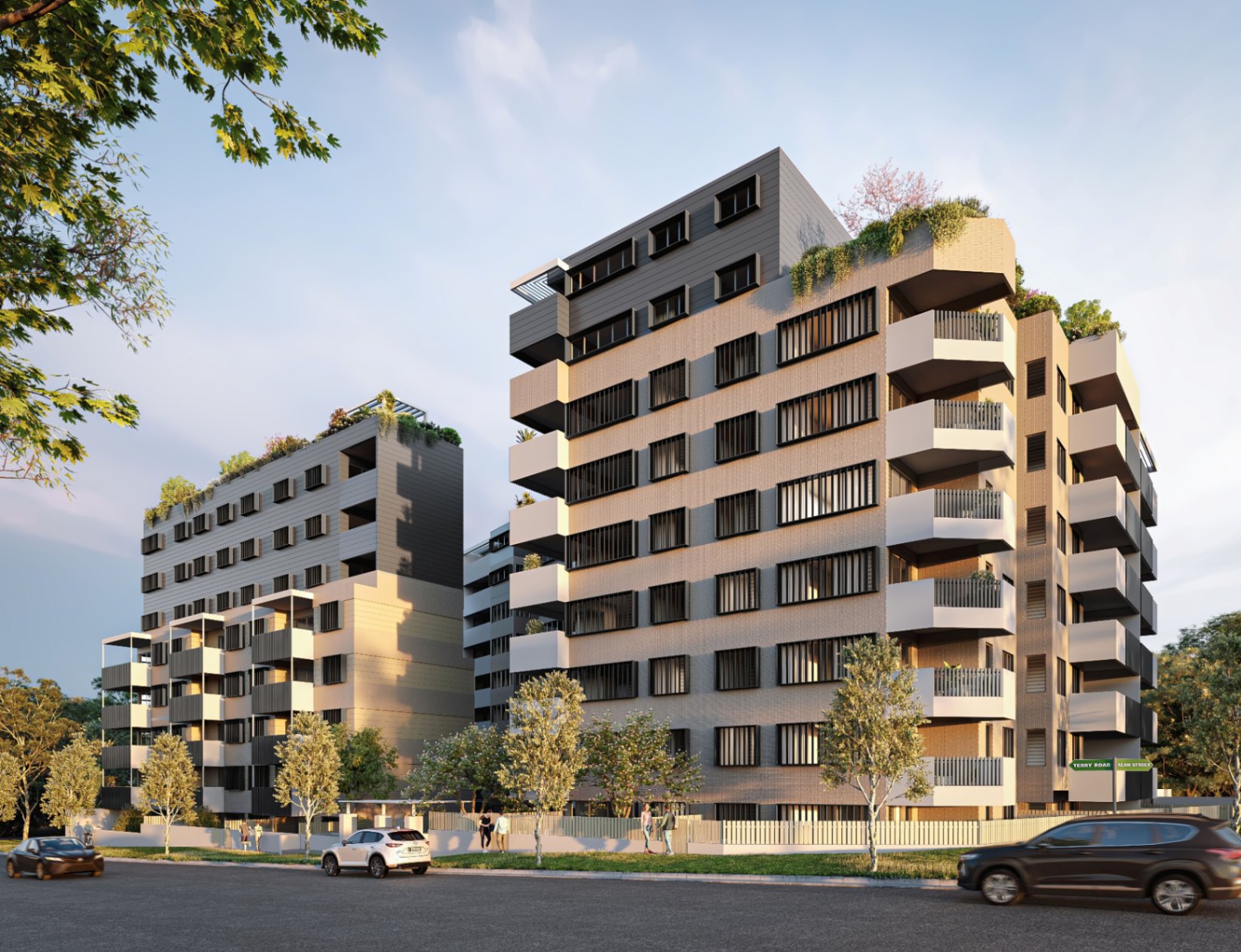 Coposit | Buy with $10K | Sydney Real Estate Market | Buy Property in NSW
Sky Box Hill | Box Hill NSW 2765 | $10K deposit | Secure with $10k and $520 x 104 weeks
Browse current eligible developments on the Coposit projects page, download the Coposit app, or contact the Coposit team to understand how the timing of specific projects works.
Share this article



Follow Coposit:


© 2025 Copyright Coposit.

