

Construction delays are one of the most common concerns for off the plan buyers, and for Coposit buyers specifically, they raise a practical question that goes beyond the general inconvenience of a later settlement date.
If the project is delayed, what happens to the weekly payments? Do they continue? Do they stop? What happens to the money already accumulated in trust?
Here is a complete explanation of how construction delays interact with the Coposit instalment structure.
The Coposit weekly instalment period is calculated based on the expected construction timeline, the number of weeks between exchange of contracts and the expected completion date. The remaining deposit is divided across those weeks to produce the weekly instalment amount.
For most Coposit projects, the instalment period is designed to end at or before the expected completion date, meaning the full deposit is accumulated by the time the building is ready for settlement. The delayed settlement structure that some projects carry gives additional buffer between the end of the instalment period and the actual settlement date.
It is worth understanding that the instalment period and the construction period are related but not identical. The instalment period is the financial schedule agreed in the Coposit arrangement. The construction period is the physical timeline of the building work. Delays affect the construction period, and their impact on the instalment period depends on the specific contract terms.
 Coposit | Buy with $10K | Sydney Real Estate Market | Buy Property in Castle Hill NSW
Argo by CBD Core | Castle Hill | Ready to Move in Now | Secure with $10K | Prices start from $975K
Construction delays in Australian off the plan projects are more common than most buyers anticipate. Material supply constraints, labour shortages, weather events, and council approval delays all affect construction timelines to varying degrees. In the current environment, where builder insolvencies have increased and subcontractor availability is constrained, delays of three to six months beyond the originally projected completion date are not unusual.
When a construction delay occurs, the settlement date moves. The original expected completion date is no longer accurate. The buyer's timeline shifts accordingly.
For Coposit buyers, the instalment schedule is tied to the contract terms rather than to a fixed calendar date. The specific treatment of the instalment schedule in a delay scenario depends on the contract terms agreed at exchange, which is one of the reasons engaging a conveyancer to review the contract before signing is essential.
In most cases, a construction delay does not require the buyer to pay additional instalments beyond those agreed in the original instalment schedule. If the full deposit has been accumulated through the agreed instalment period and the project is then delayed before completion, the accumulated deposit continues to sit in the Ammoze trust account, protected and earning returns, until settlement proceeds. The buyer does not make further deposit payments during this extended waiting period, the deposit is fully accumulated and simply waiting for the building to be ready.
The deposits accumulated in Ammoze trust accounts are protected regardless of the construction timeline. A delay does not affect the security of the deposits, they remain in regulated trust accounts with Commonwealth Bank, NAB, and Westpac, completely independent of the developer's finances.
Real-time stakeholder notifications and monthly deposit reports continue throughout any delay period. Buyers maintain full visibility of their accumulated deposit at all times. The deposits are also invested at market-leading rates during the delay period, so the accumulated funds continue to work rather than sitting idle waiting for a settlement date that has moved.
The developer does not have access to the deposits during a delay. The funds remain in trust until settlement conditions are met and the buyer's solicitor and the vendor's solicitor jointly instruct their release. This protection is particularly important in extended delay scenarios where the developer's financial position may itself be under pressure, the deposits are not exposed to whatever difficulty the developer is experiencing.
Every off the plan contract includes a sunset clause, a date by which the property must be completed. If the project is not completed by the sunset date, the buyer typically has the right to rescind the contract and recover their accumulated deposit from trust.
The sunset clause is the buyer's primary contractual protection against indefinite delays. If the developer cannot deliver the project within the agreed timeframe, the buyer is not locked in indefinitely, they have a defined exit mechanism. In NSW, developer-initiated sunset clause rescissions require court approval in most circumstances, protecting buyers from developers who might otherwise use the clause opportunistically to exit contracts in a rising market.
Understanding the sunset clause in your specific contract, when it falls, what conditions trigger it, and what happens to the deposit if it is triggered, is essential knowledge before exchange. Your conveyancer should explain this clearly as part of the contract review. A sunset date set comfortably beyond the expected completion provides adequate buffer for reasonable delays without being so distant that it provides no practical protection.
Read What Is a Sunset Clause in an Off the Plan Contract for a complete explanation of how sunset clauses work and what the law says in NSW and Queensland.
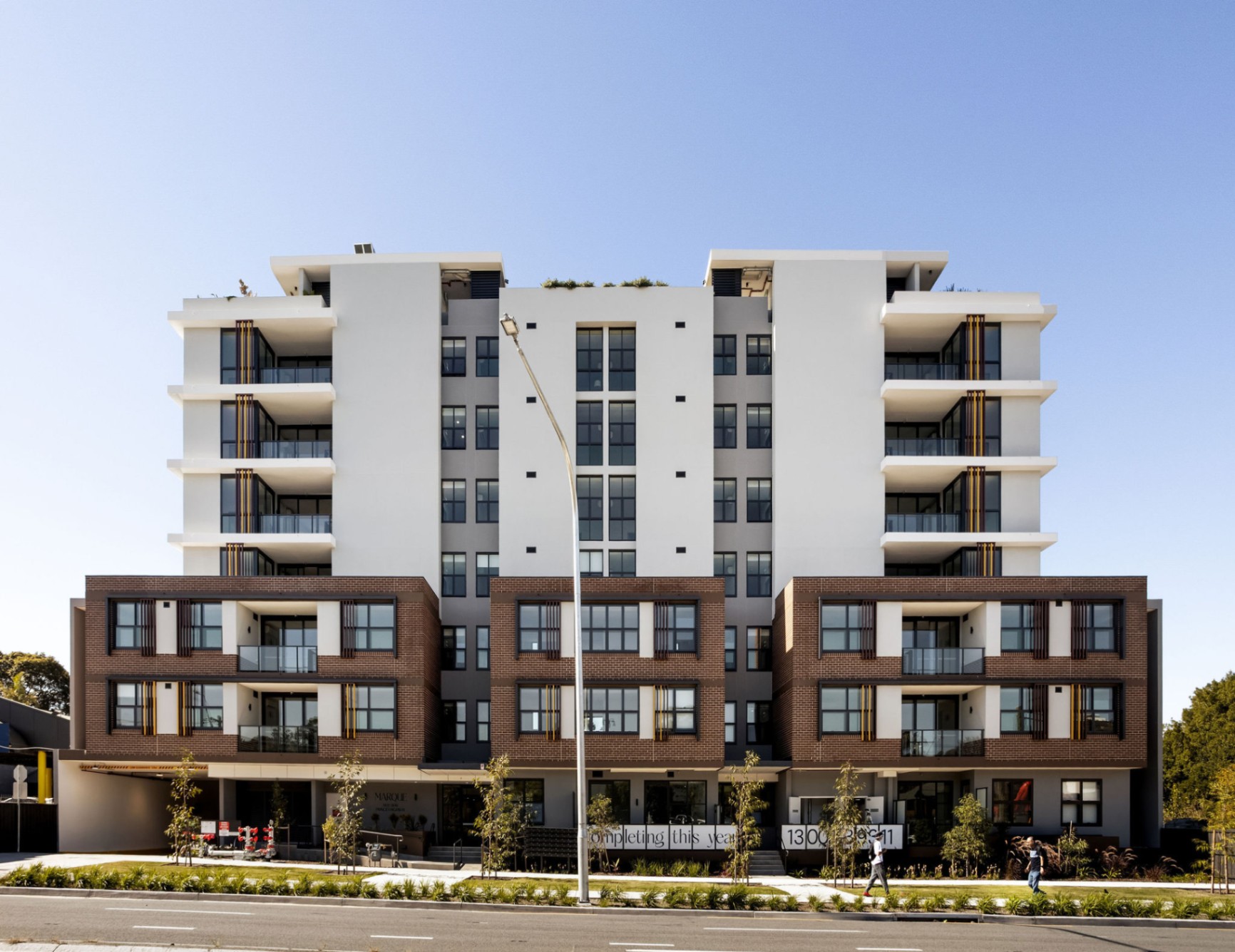 Coposit | Buy with $10K | Sydney Real Estate Market | Buy Property in NSW
Marque Rockdale by Princeton | Rockdale NSW | Ready to Move in Now | Secure with $10K
It is worth clarifying the distinction between delayed settlement and a construction delay because they are frequently confused.
Delayed settlement is a structured feature of some Coposit projects, a deliberate extension of the time between practical completion and the settlement date. It gives buyers additional time after the building is finished to arrange formal loan approval and prepare for settlement. It is planned and agreed at exchange.
A construction delay is an unplanned extension of the construction period itself, the building takes longer to complete than expected. It is not agreed at exchange and may affect the buyer's plans, pre-approval timelines, and personal circumstances in ways that a structured delayed settlement does not.
Read How Does Coposit Work With a Home Loan at Settlement for a complete explanation of the delayed settlement structure.
Browse current listings on the Coposit projects page, download the Coposit app, or contact the Coposit team to understand the construction timelines and instalment structures for specific projects.
This article is general information only and does not constitute legal advice. Contract terms and delay provisions vary by project. Always engage a qualified conveyancer before signing any off the plan contract.
Share this article



Follow Coposit:


© 2025 Copyright Coposit.

