

If you have looked at new apartment projects in Australian cities over the past decade, you will have noticed that many of them are not purely residential. They include ground-floor retail, cafés, medical services, co-working spaces, childcare, or hotel rooms alongside the residential apartments that sit above them. This is what mixed-use development means.
Understanding what mixed-use developments are, what they offer to residents and the broader community, and what buyers should consider before purchasing into one helps buyers make better-informed decisions about a building type that is becoming increasingly common across Australian cities.
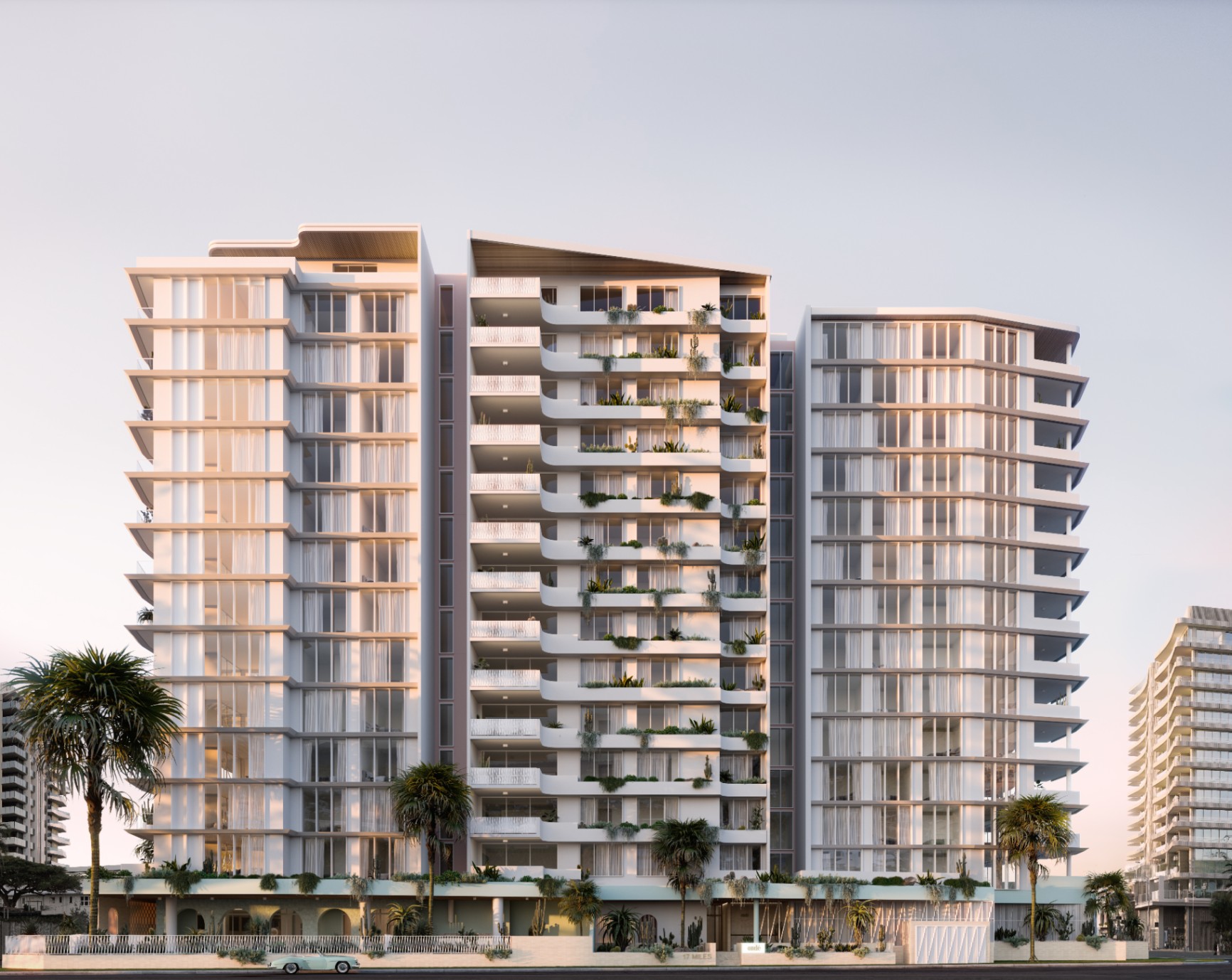 Coposit | Buy with $10K | Gold Coast Real Estate Market | Buy Property in QLD
Lura by TANCA | Burleigh Heads QLD | $10K deposit | Secure with $10k and $1,390 x 50 weeks
Mixed-use development is the integration of two or more different land uses within a single building or precinct. The most common configuration in Australian residential development is ground-floor commercial or retail with residential above, but mixed-use can also include the integration of employment, hospitality, health services, education, and community facilities alongside housing.
The underlying principle is that separating land uses, putting all housing in one place and all retail in another and all employment in a third, creates the car-dependent, inefficient urban form that characterises much of the suburban development built in Australia in the second half of the twentieth century. Mixing uses allows people to live closer to the services and activities they use daily, reducing travel time, supporting walkability, and creating the activated street environments that make urban living genuinely pleasant.
Several factors are driving the increased prevalence of mixed-use development in Australian cities.
Planning policy reform. State and local government planning frameworks have increasingly recognised that mixed-use development is essential to the 30-minute city and 20-minute neighbourhood objectives that have become central to urban planning policy in most Australian capital cities. Planning controls in many areas now actively encourage or require mixed-use development at ground floor level in areas near transport and along main streets.
Developer economics. The commercial and retail spaces in mixed-use developments can generate separate revenue streams that improve the overall financial viability of a project. A ground-floor café or supermarket that anchors foot traffic and generates rental income improves the economics of the development, allowing developers to invest more in the residential component.
Buyer preference. Buyers purchasing in mixed-use precincts are specifically choosing the lifestyle amenity that activated ground floors provide. The ability to walk downstairs to a café, to access a medical centre without a car, or to visit a supermarket without leaving the immediate precinct is a genuine lifestyle advantage that many buyers actively seek.
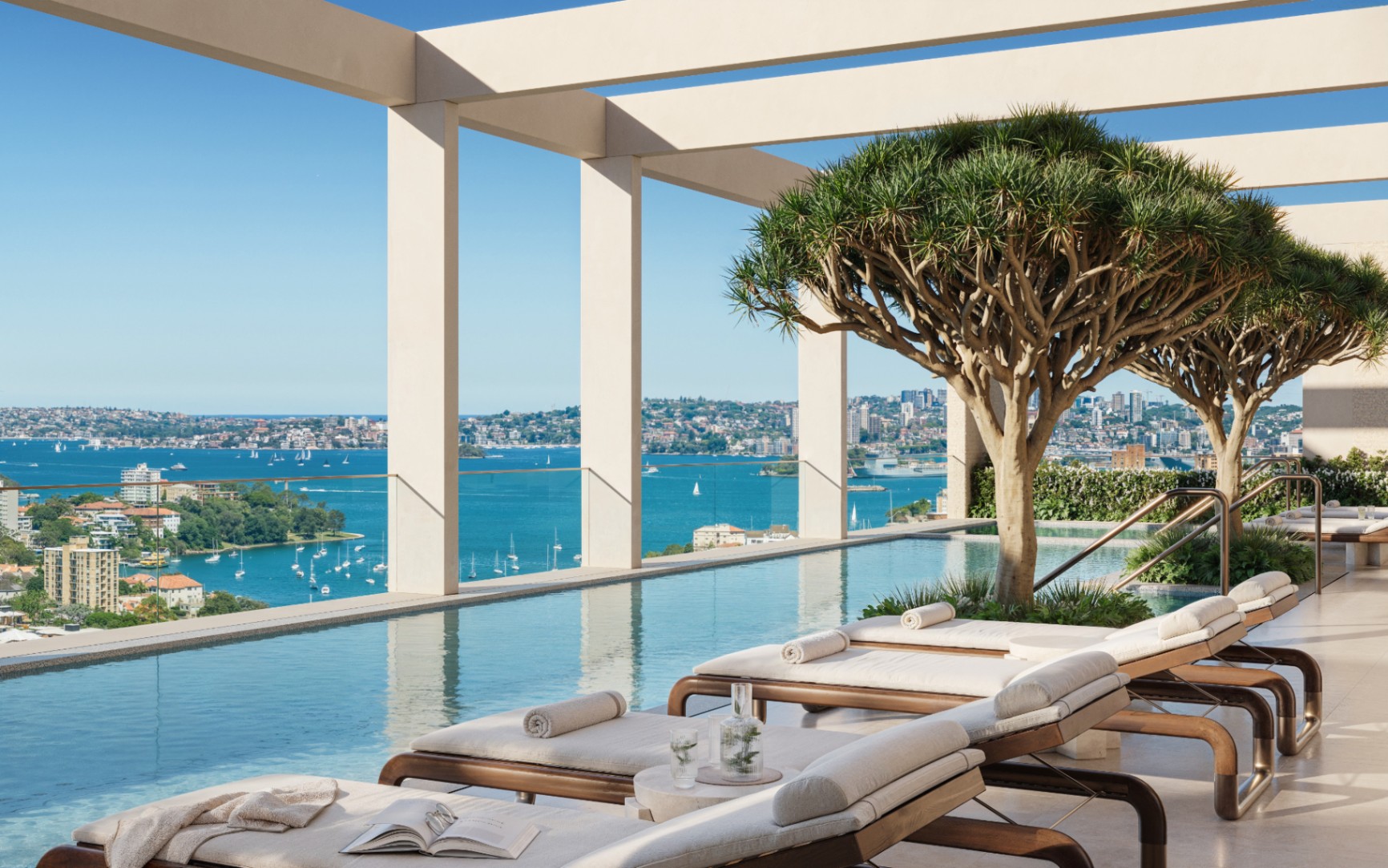 Coposit | Buy with $10K | North Sydney Real Estate Market | Buy Property in NSW
Walden | North Sydney | Buy with $10K deposit | Secure with $10k and $2,256 x 98 weeks
For residents of mixed-use buildings, the most immediate benefit is the convenience of having retail and service amenity directly accessible from the building. The activation that commercial ground floors create also improves the security and social quality of the building's immediate environment, busy ground floors with passing foot traffic create informal surveillance that makes common areas and building entries feel safer and more pleasant.
The economic vitality of a mixed-use precinct creates employment nearby, supports the sustainability of local businesses, and contributes to the longer-term amenity of the precinct as a place to live.
Noise and activation at ground level. Commercial activity at ground level creates noise and foot traffic that is an asset from a lifestyle and security perspective but can also affect specific apartments that sit directly above active commercial tenancies. The hours of commercial operation, the types of tenants, and the acoustic separation between commercial and residential floors should all be understood before committing to a purchase in a mixed-use building.
Commercial tenant mix and quality. The quality of the commercial tenancies in a mixed-use building affects the amenity of the precinct and the long-term values of the residential apartments above. A building with a supermarket, a medical centre, and quality food and beverage tenants at ground level is a different proposition from one with low-quality retail that may not be sustainably tenanted.
Strata levy implications. Commercial spaces in mixed-use buildings may have different lot entitlements and levy structures from residential spaces. Understanding how the strata scheme is structured and whether commercial and residential levies are separated or shared is important before exchange.
Queen Square in Campbelltown represents the mixed-use development model at scale: 542 apartments across five buildings, an Eat Street food and beverage precinct, commercial premises, a community centre, and 4,000 square metres of publicly accessible open space all within a single masterplanned precinct.
Read What Are Strata Fees and How Much Should Apartment Buyers Budget For for guidance on understanding strata costs in mixed-use developments.
Browse current Coposit listings including mixed-use projects on the projects page, download the Coposit app, or contact the Coposit team to discuss specific mixed-use projects.
This article is general information only and does not constitute financial advice. Always seek independent financial advice before making any property decisions.
Share this article



Follow Coposit:


© 2025 Copyright Coposit.

