

Two of the most common property title types in Australian apartment and townhouse purchases are strata title and community title. Most buyers encounter one or both during their property search and many do not fully understand how they differ or why it matters for their purchase decision.
Here is the complete explanation.
Strata title is the most common form of ownership for apartments in Australia. When you purchase a strata-titled property, you own two things.
The first is your lot, the defined space within the building that is your apartment. This includes the interior of your apartment and typically the interior surfaces of the walls, floors, and ceilings that bound it. In most strata schemes, the structural elements of the building, the external walls, roof, floor slabs, and common walls between lots, are common property rather than part of your individual lot.
The second is a share in the common property, the parts of the development that all owners share. This includes the building exterior, the roof, the lobbies, corridors, lifts, stairwells, car parks where applicable, and any shared amenity areas such as pools, gyms, and gardens.
Every owner in a strata scheme is a member of the owners corporation, sometimes called the body corporate. The owners corporation is responsible for maintaining and managing the common property, setting and collecting strata levies, and making decisions about the scheme through general meetings.
Your share of the owners corporation is determined by your unit entitlement, a number assigned to each lot at the time the strata plan is registered. Unit entitlements are typically based on the relative value or size of each lot and determine what proportion of the strata levies you pay and how many votes your lot carries at general meetings.
 Coposit | Buy with $10K | Sydney Real Estate Market | Buy Property in NSW
Avenue | Castle Hill | $10K deposit | Secure with $10k and $784 x 83 weeks
Community title is a more complex title structure that is used for developments where multiple types of property, residential lots, commercial lots, and shared open space, are combined within a single master scheme.
A community title development is structured in layers. The community association owns and manages the shared infrastructure and open space of the entire development, roads, shared gardens, and facilities that serve the whole community. Within the community, individual precincts or neighbourhoods may have their own sub-associations that manage the shared property within that precinct. And individual lots, which may themselves be strata-titled apartments within a precinct building, are owned by individual buyers.
A buyer in a community title development may therefore be a member of multiple associations simultaneously, the community association, a precinct association, and an owners corporation if their individual lot is an apartment in a strata building within the community.
Each layer has its own levies, its own management structure, and its own maintenance obligations. The total cost of ownership in a community title development includes levies at every level of the structure.
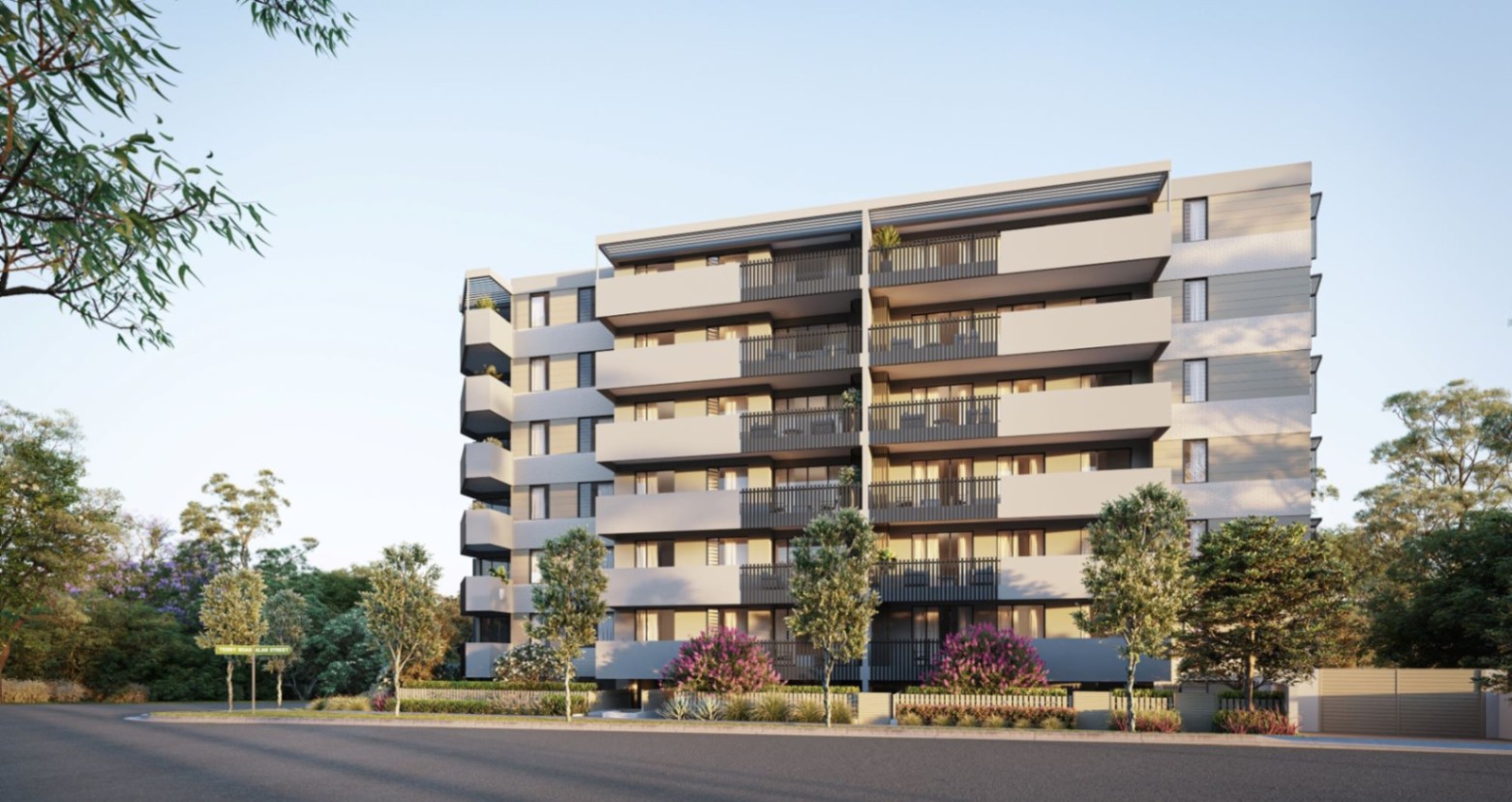 Coposit | Buy with $10K | Sydney Real Estate Market | Buy Property in NSW
Sky Box Hill | Box Hill NSW | $10K deposit | Secure with $10k and $496 x 109 weeks
Levy structure. In a simple strata scheme, you pay one set of strata levies to the owners corporation. In a community title development, you may pay levies to the community association, the precinct association, and the owners corporation separately. Understanding the total levy burden across all layers is essential before purchasing in a community title development.
Decision making. Strata owners corporations make decisions through general meetings where votes are allocated by unit entitlement. Community title developments have the same structure but replicated across multiple association layers. Getting a decision made in a community title development can be more complex and slower than in a simple strata scheme.
Maintenance responsibilities. In a strata scheme, the owners corporation maintains the common property and individual owners maintain their lots. In a community title development, maintenance responsibilities are distributed across multiple association layers. Understanding which association is responsible for what is important before purchasing.
By-laws and rules. Strata schemes have by-laws that govern what owners and residents can and cannot do in their lots and on common property. Community title developments have rules at each association level. A buyer in a community title development is bound by rules at all levels simultaneously.
The majority of Coposit's current off the plan listings are strata-titled apartment developments. The strata structure is the most common title type for high-density residential apartments in Australian capital cities.
Some larger master-planned developments, particularly those that combine residential apartments with town houses, retail, and shared open space across a large site, may use community title structures. Solis at Harbour Shores at Biggera Waters, for example, is part of a larger master-planned waterfront community which may have community title elements alongside individual strata components.
Before purchasing in any development, your conveyancer should review the title structure and explain the levy obligations at every level of that structure.
 Coposit | Buy with $10K | Gold Coast Real Estate Market | Buy Property in QLD
Solis at Harbour Shores | Biggera Waters QLD | $10K deposit | Secure with $10k and $864 x 82 weeks
Ask your conveyancer to confirm the title type and explain the ownership structure of the specific property you are purchasing. Ask for a breakdown of all levies payable, strata, precinct, and community, and the current financial health of each relevant association. Ask whether there are any planned capital works that will result in special levies in the near term.
Browse current listings on the Coposit projects page, download the app, or contact the team to understand the title structure of specific projects.
For renters exploring ownership pathways, join the Unrent by Coposit waitlist to find out what completed properties are available.
This article is general information only and does not constitute legal advice. Title structures and levy obligations vary by development. Always engage a qualified conveyancer before purchasing any property.
Share this article



Follow Coposit:


© 2025 Copyright Coposit.

