

The logic seems sound at first.
You are close to a deposit but not quite there. Another year of saving could give you a bigger buffer, a stronger financial position and more options. Waiting feels sensible.
What many buyers do not calculate is what that extra year of waiting may actually cost. Not only in potential property price growth, but in rent paid while the deposit increases by a much smaller amount.
Consider two renters facing this decision.
The first renter was paying $780 per week. She decided to rent for one more year while adding to her deposit before applying for a home loan.
Over 52 weeks, she paid $40,560 in rent. During the same period, she added approximately $10,000 to her deposit.
She paid $40,560 in rent to increase her deposit by around $10,000.
The second renter was paying $1,100 per week. He made the same decision and waited another year to build a larger deposit.
Over 52 weeks, he paid $57,200 in rent. His deposit also increased by approximately $10,000.
He paid $57,200 in rent to increase his deposit by around $10,000.
Together, the two renters paid $97,760 in rent while increasing their deposits by a combined $20,000.
These examples do not mean waiting is always the wrong decision. A buyer may need more time to improve borrowing capacity, reduce debt, build an emergency buffer or prepare for settlement costs. But they show why the cost of waiting should be calculated alongside the benefits.
The fundamental problem with the "one more year" strategy is that rent and deposit saving compete for the same income. Every dollar that goes to rent is a dollar that cannot go toward the deposit.
A renter paying $780 per week on a $100,000 gross income takes home approximately $73,000 after tax. After rent at $40,560 annually and basic living costs, the amount genuinely available to save is typically $10,000 to $15,000 per year.
The deposit grows by $10,000 to $15,000. But $40,000 to $57,000 has simultaneously left the renter's account forever. The net position after one more year of waiting is not $10,000 better. It is $30,000 to $45,000 worse in total wealth terms -- because the rent paid to build the deposit is gone, not stored.
And that calculation does not account for what property prices do during the waiting year. If the property the renter wants to buy appreciates even modestly, the deposit target has moved alongside the savings. The gap can remain stubbornly similar despite the additional year of sacrifice.
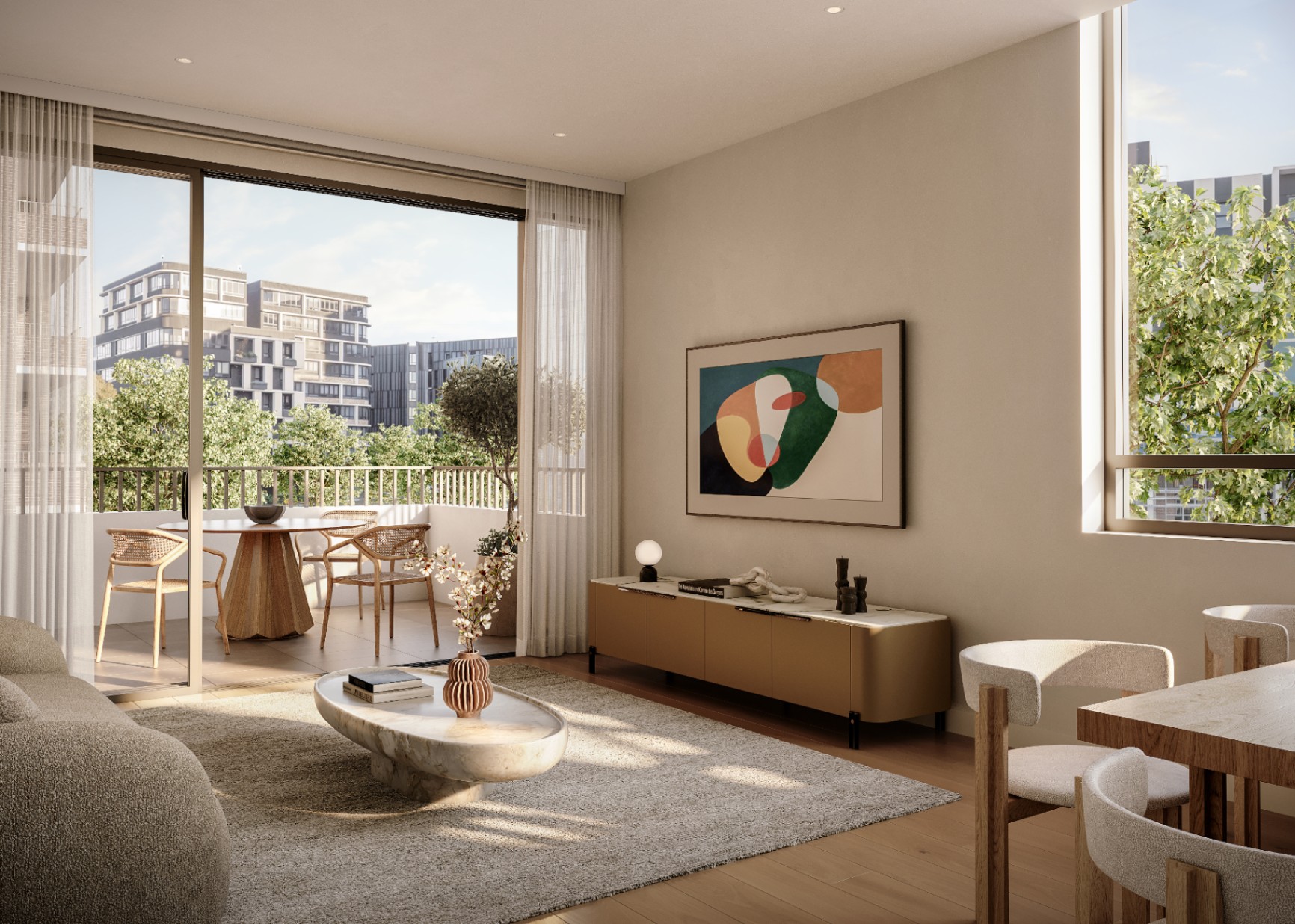 Coposit | Buy with $18K | Sydney Real Estate Market | Buy Property in Melrose Park NSW
Aeris | Melrose Park NSW | $18K deposit | Secure with $18k and $200 x 92 weeks
The question the broker was asking her clients was a simple one. What if you used the deposit you already have rather than adding to it?
For buyers who have $10,000 to $25,000 available and are targeting an off the plan property, Coposit's deposit instalment structure removes the need to save the full deposit before committing to a purchase.
The buyer secures the property today with their existing deposit. The remaining deposit is paid through weekly interest-free instalments during construction -- typically 12 to 24 months. Rather than paying a landlord $40,000 to $57,000 over a year to save $10,000 more, the buyer is paying weekly instalments that count toward owning their property.
The property price is locked in at today's level. The deposit builds during construction rather than alongside rent. And the buyer is not watching the market move away from them while they wait.
For the first renter paying $780 per week, securing a property through Coposit at $10,000 upfront with $371 weekly instalments toward Concord Central means $371 of every week's housing cost is building toward something she owns. The rest of her rent, the gap between $371 and her actual rent, is still going to a landlord, but the deposit conversation has fundamentally changed.
 Coposit | Buy with $19K | Sydney Real Estate Market | Buy Property in Norwest NSW
Zeste | Norwest NSW | $19K deposit | Secure with $19k and $197 x 96 weeks
This is not an argument that waiting is always wrong. There are genuine circumstances where taking more time makes sense.
If your current deposit would result in a loan size that you genuinely cannot service, waiting to build a larger buffer is prudent rather than costly.
If you are in a period of financial instability, recent job change, relationship change, major upcoming expense, waiting until your position is more settled reduces risk.
If the 90-day window before your loan application needs work, unused credit cards to close, buy now pay later accounts to exit, savings patterns to establish, the time is not wasted. It is preparation.
But if your income is stable, your financial position is solid, and the only reason you are waiting is to have a slightly larger number in your savings account before you apply, the broker story above is worth sitting with.
The deposit you add during that extra year of waiting is almost certainly smaller than the rent you pay to accumulate it.
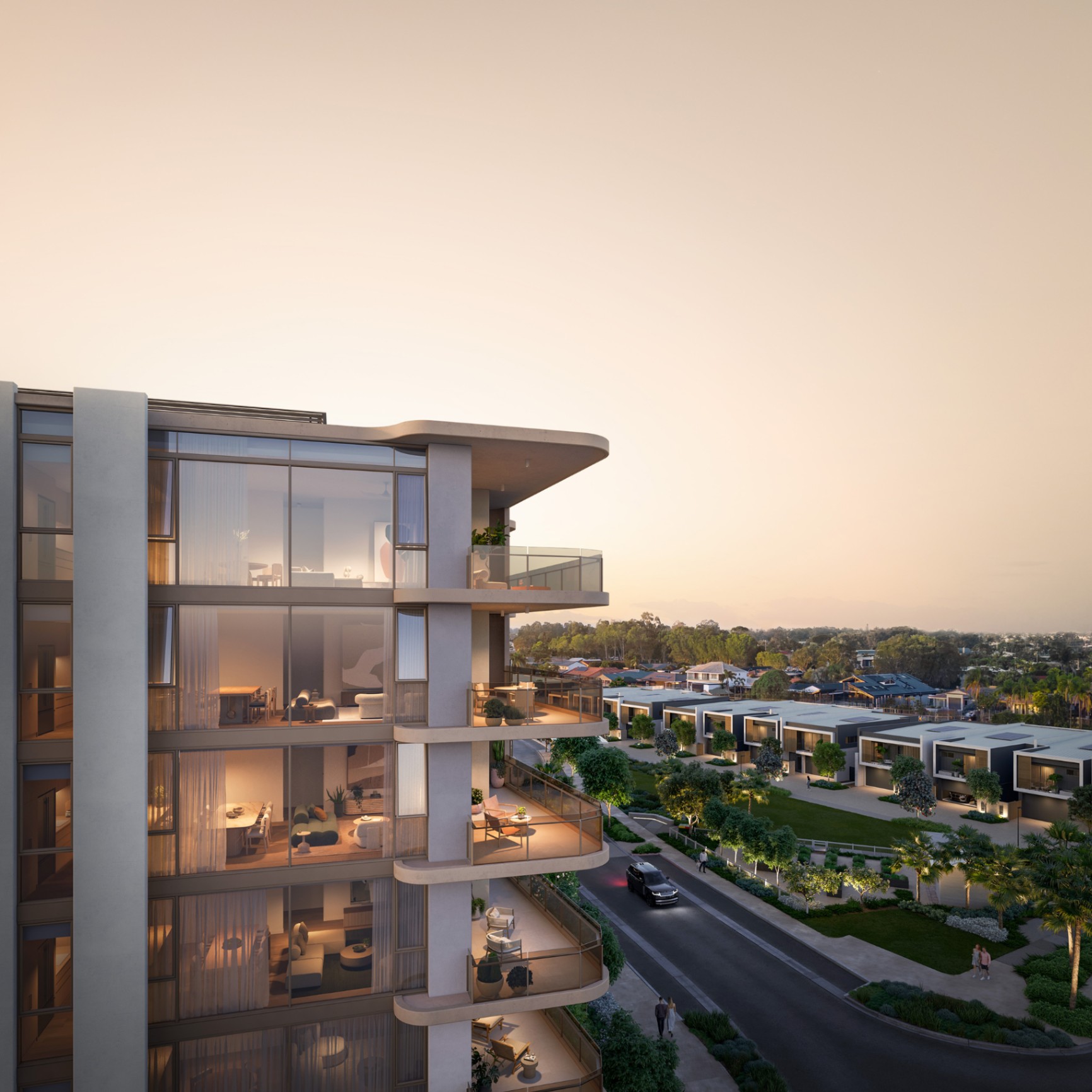 Coposit | Buy with $10K | Gold Coast Real Estate Market | Buy Property in QLD
Solis | Biggera Waters QLD | $10K deposit | Secure with $10k and $791 x 87 weeks
Through Coposit, eligible off the plan properties can be secured with an upfront payment from $10,000 and the remaining deposit paid through weekly interest-free instalments during construction. The property price is locked in at today's level. Settlement occurs when construction is complete, typically 12 to 24 months later.
For buyers who are currently in the "one more year" mindset, the Coposit structure reframes the choice from "save more and wait" to "commit now and build during construction."
For renters who feel the deposit gap is genuinely too large to bridge through saving alone, Unrent by Coposit offers a different model entirely -- where weekly rent payments accumulate toward a deposit rather than building a landlord's equity. Find out if you are eligible at unrent.coposit.com.au/eligibility.
Browse current listings on the Coposit projects page, download the app, or contact the team to understand which projects and deposit structures suit your situation.
This article is general information only and does not constitute financial advice. Individual circumstances vary. Always seek independent financial advice before making any property decisions.
Share this article



Follow Coposit:


© 2025 Copyright Coposit.