

Ask a young family what they want in a home and you will get a wishlist. Bedrooms, bathrooms, a backyard, a good school nearby, somewhere to park two cars.
Ask them what they actually need and the answer is more specific and more interesting.
The difference between what families think they want and what genuinely makes a home work for them over time is where most family property searches go wrong. Buying for the life you have now rather than the life you are building toward is one of the most common and most expensive mistakes families make.
The most common space mistake families make is buying exactly enough room for their current situation.
A couple with a toddler buys a two-bedroom apartment. It works. Then a second child arrives. Then a third. Or the toddler becomes a teenager who needs a room of their own and space to study. The apartment that was sufficient at purchase becomes a source of daily friction three or four years in.
Families who buy well tend to buy slightly ahead of where they are. A third bedroom that will not be needed for two years. An extra living area that currently serves as a study but will eventually become a teenager's retreat. A garage that fits a growing collection of bikes, scooters, and the general equipment of family life.
This does not mean overcapitalising on space. It means thinking in five-year increments rather than buying for today's family and selling in three years when the home no longer fits.
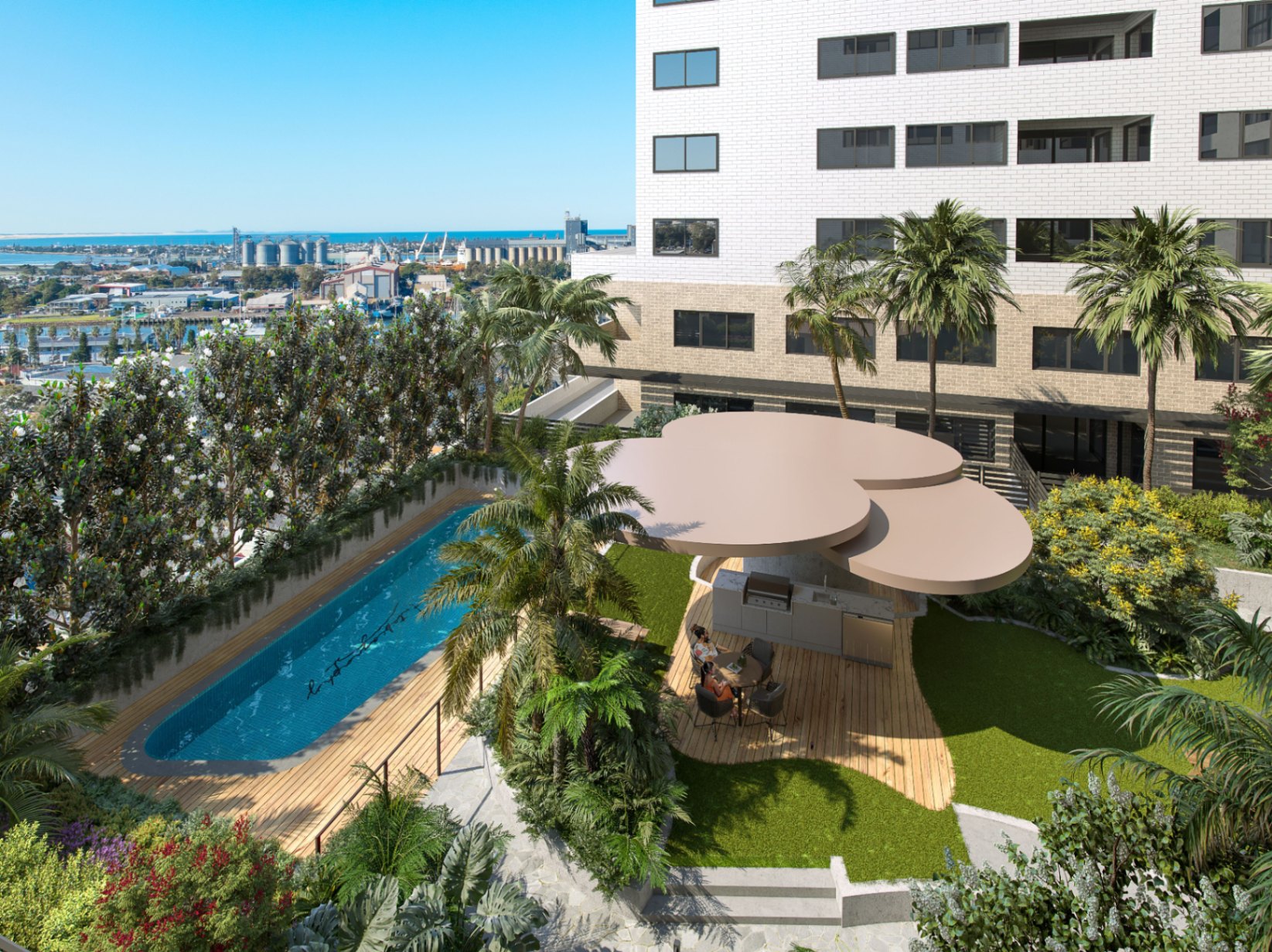 Coposit | Buy with $10K | Newcastle Real Estate Market | Buy Property in Wickham NSW
Autobiography | Wickham NSW | $10K deposit | Secure with $10k and $715 x 91 weeks
Floor area is a blunt measure of liveability. Two apartments of identical size can feel completely different depending on how the space is arranged.
For families, the functional questions are specific. Is there a space where children can play that is visible from where an adult might be cooking or working? Can bedroom doors be closed for sleeping children without the kitchen or living room noise carrying through? Is there a dedicated study space or does homework happen at the dining table? Is the laundry accessible and practical for the volume of washing a family generates?
These questions are worth walking through physically during an inspection. They are harder to assess from a floor plan alone.
Not all outdoor space is equal for families.
A balcony suits adults who want to sit outside with a coffee or glass of wine. It does not serve the same function as a courtyard or garden for children who need to run, kick a ball, or simply have somewhere to be outside without supervision.
For families with young children, private outdoor space at ground level or a courtyard accessible from the living area is significantly more useful than a rooftop terrace or a balcony three floors up. A generous communal garden in a well-managed building can partially substitute for private outdoor space, but it requires children to be accompanied and is not the same as having a door that opens directly to somewhere they can play.
Families who are considering apartments should think honestly about their outdoor space requirements before they start searching, rather than accepting what is available and hoping it will work.
School catchment gets most of the attention in family property searches. It matters. But it is not the only location factor that shapes daily family life.
Walking distance to the primary school is more valuable than catchment alone. A child who can walk to school independently from age seven or eight has a meaningfully different childhood experience than one who must be driven. The same applies to the local park, the swimming pool, the after-school activities.
The street itself matters too. A family home on a quiet residential street near a school can carry a meaningful premium over an equivalent property on a busy arterial road -- not just for safety reasons but for the everyday quality of life that comes with a streetscape children can actually use.
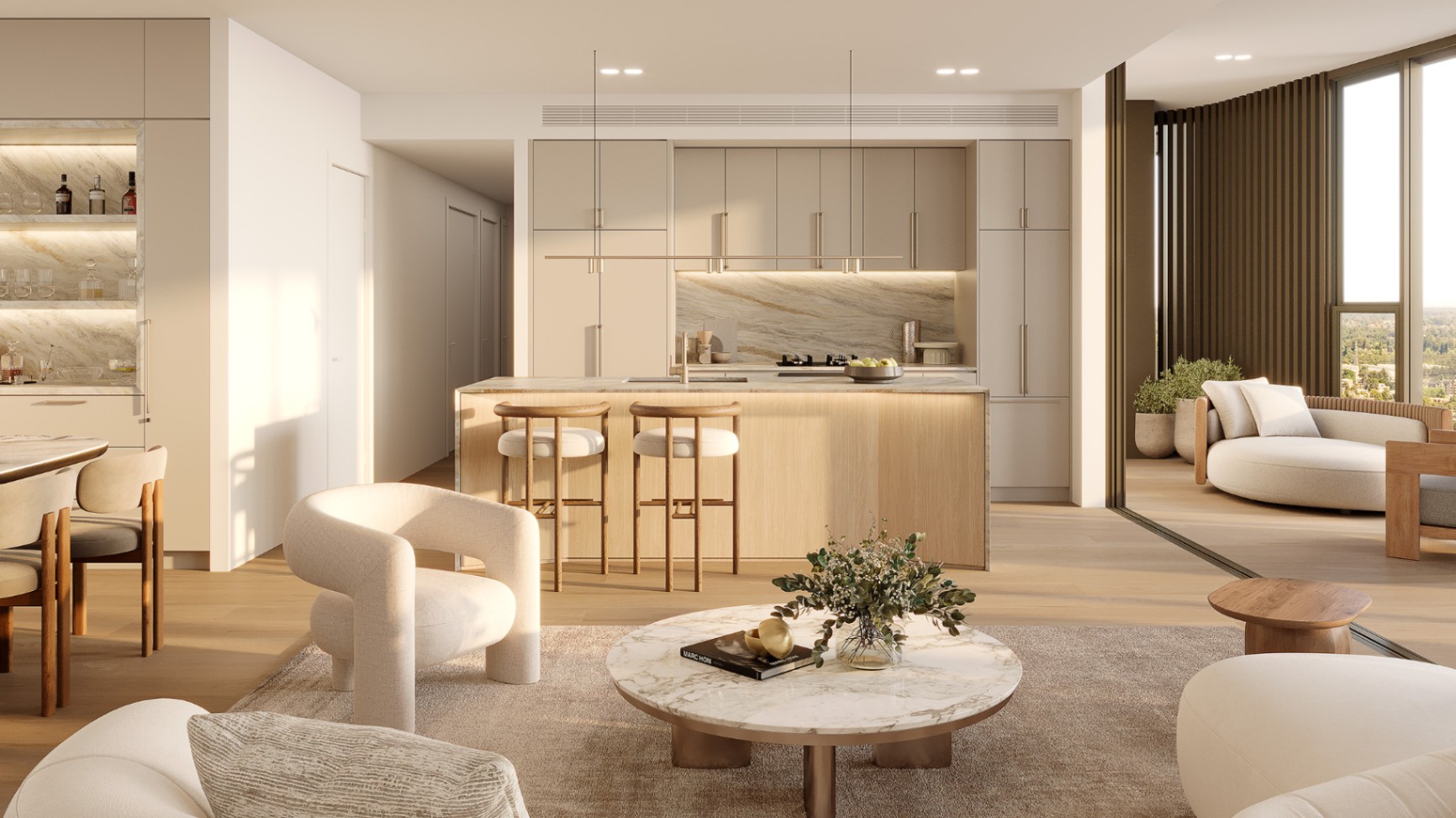 Coposit | Buy with $10K | Sydney Real Estate Market | Buy Property in NSW
Concord Central | Concord West NSW | $10K deposit | Secure with $10k and $371 x 170 weeks
For families who are stretching to get into the property market, new developments in Sydney's growth corridors offer a realistic path to the space and amenity they need at price points that established inner-ring suburbs cannot match.
Sydney's Southwest -- Oran Park, Marsden Park, Austral, Leppington -- has built out significant community infrastructure over the past five years. Schools, parks, medical centres, retail precincts, and transport connections that simply did not exist ten years ago are now in place. Families who moved to these areas early are seeing the community around them mature in ways that validate the original decision.
The Northwest corridor, Castle Hill, Norwest, Rouse Hill, Tallawong, combines established suburb character with Metro connectivity that has fundamentally changed commute times to the CBD.
Through Coposit, families can secure eligible new developments in both corridors with $10,000 upfront and the remaining deposit spread in weekly instalments during construction, giving them time to continue saving and prepare their existing situation for the transition to the new home.
Browse family-friendly developments across NSW on the Coposit projects page, download the Coposit app , or contact the team to understand which projects suit your family's specific needs and timeline.
Share this article



Follow Coposit:


© 2025 Copyright Coposit.