

For most of the twentieth century, the story of Australian cities followed a familiar pattern. The CBD held the jobs, the culture, the density. The suburbs held the houses. The two were connected by roads and trains, and the relationship between them was largely one-directional: people lived in the suburbs and travelled to the city to do everything else.
That pattern is breaking down. Not everywhere at once, and not without complexity, but across every major Australian city, suburbs that were once defined almost entirely by residential land use are developing into genuine urban centres in their own right. Understanding why this is happening, and what it means, matters for planners, developers, buyers, and anyone trying to make sense of where Australian cities are headed.
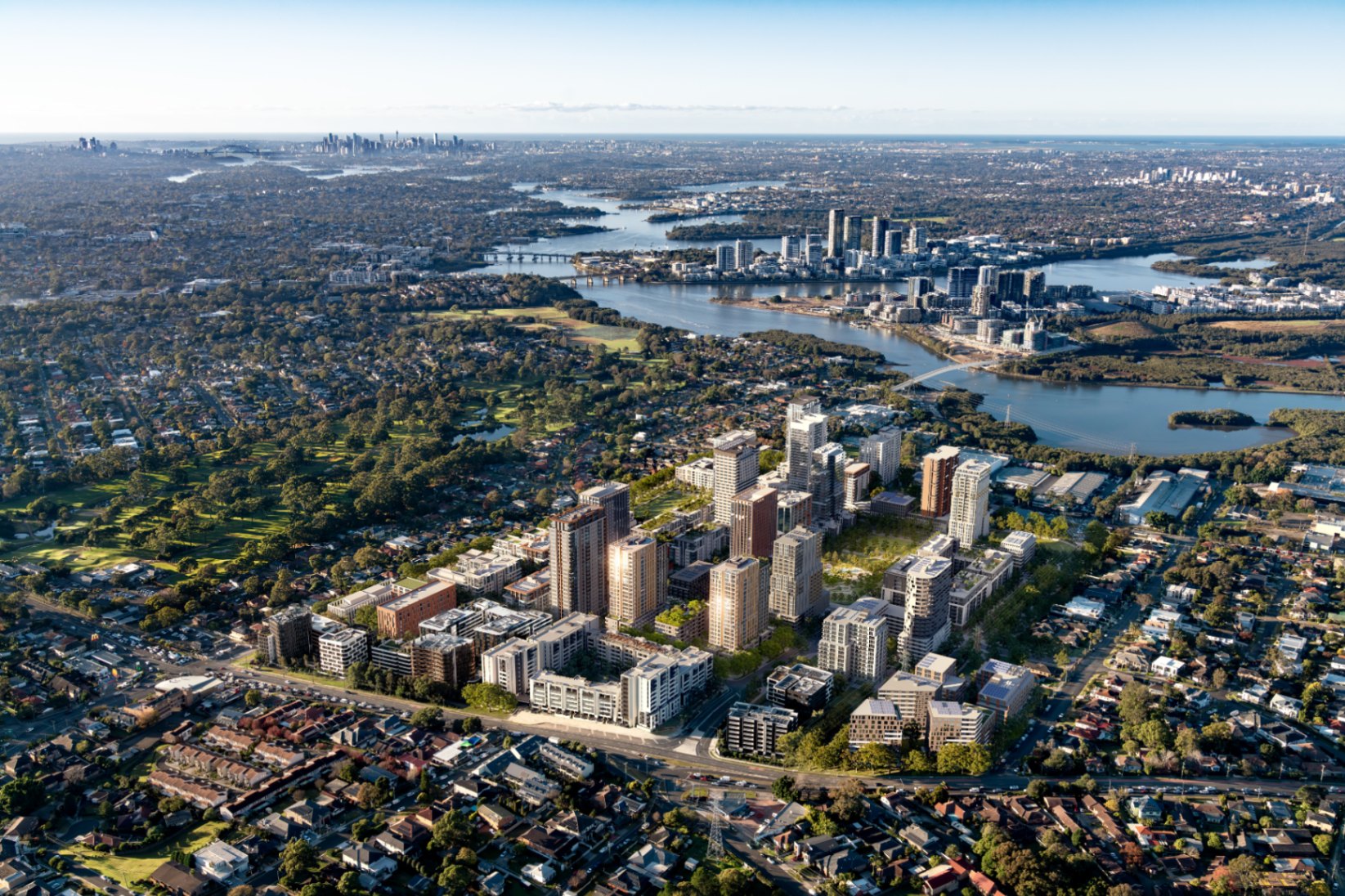 Coposit | Buy with $10K | Sydney Real Estate Market | Buy Property in NSW
Era | New Castle NSW | $10K deposit | Secure with $10k and $1,363 x 58 weeks
When planners talk about suburbs becoming urban centres, they are describing a shift in the mix of uses within a suburb and the way residents relate to the places around them.
A suburb that is becoming an urban centre typically features a cluster of things coming together at roughly the same time: an expansion or upgrade of retail and dining options, growth in health and education services, improvements to public transport frequency or capacity, new medium or higher density residential development, and an increase in local employment, often in professional services, health, education, or retail.
This does not mean suburbs become cities. It means they develop the kind of local gravity that changes how residents experience everyday life. People make fewer trips to the CBD because more of what they need is accessible locally. Local businesses can sustain themselves because foot traffic and population density have reached viable thresholds. The suburb becomes a destination as well as a residence.
Several structural changes are accelerating the transformation of Australian suburbs into urban centres.
Population growth is the most fundamental. Australian capital cities have grown substantially over the past two decades, and much of that growth has occurred in middle and outer ring suburbs. As the population of these areas increases, the commercial and service infrastructure required to support them increases too. Suburbs that reach certain population thresholds attract supermarkets, medical centres, schools, and the kind of retail that, in turn, attracts more residents and more businesses.
The shift to remote and hybrid work has been another significant driver. When large numbers of residents no longer commute to the CBD daily, their spending, their time, and their social lives stay closer to home. Local hospitality, local retail, and local professional services all benefit. Suburbs that had been primarily dormitory communities began developing more complex local economies.
How hybrid work is reshaping where Australians choose to live covers the geographic consequences of work-from-home in more depth.
Infrastructure investment has played a role too. Light rail extensions, metro lines, station precinct upgrades, and major road improvements have reshaped the accessibility of suburban locations in ways that attract both residents and businesses. The announcement of major infrastructure, even before construction begins, tends to trigger development activity in the surrounding area.
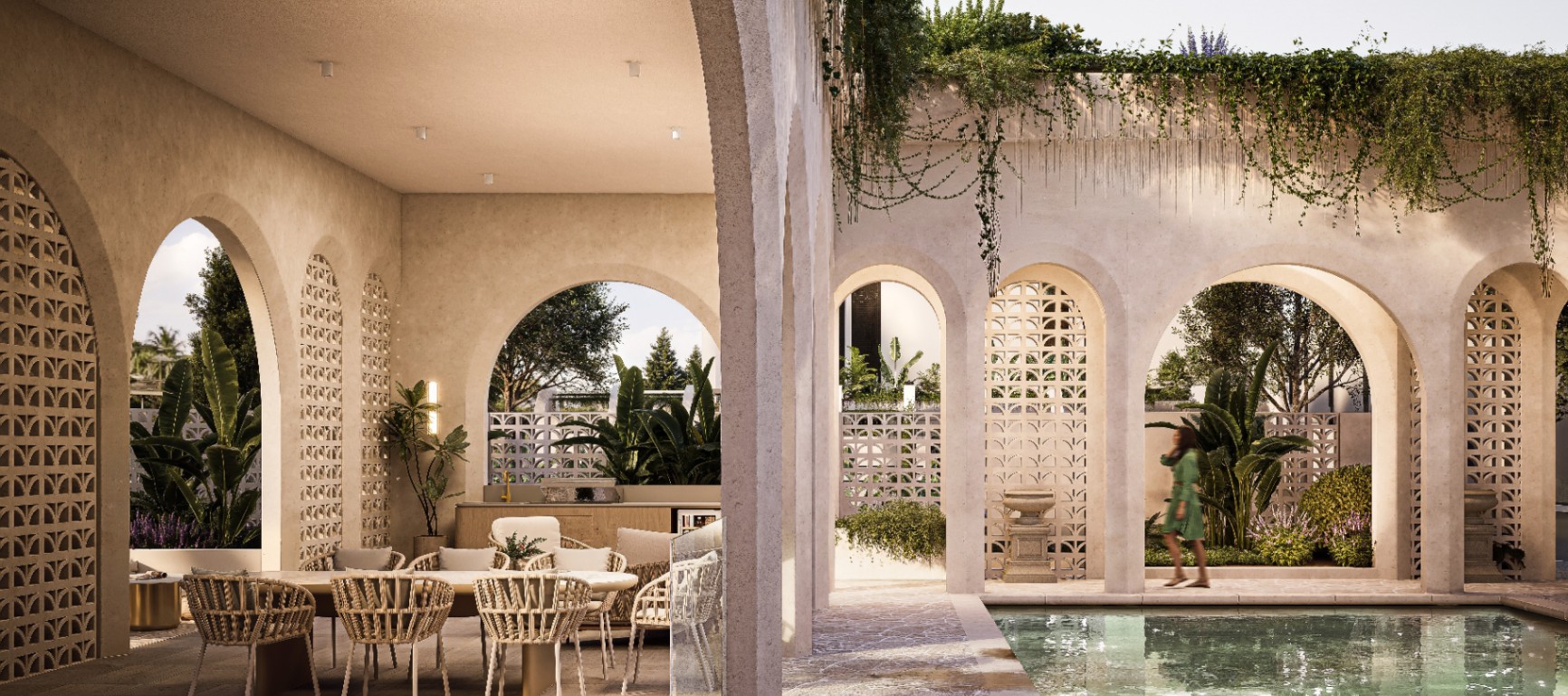 Coposit | Buy with $10K | Brisbane Real Estate Market | Buy Property in QLD
Laya Residences| Heathcote NSW | $10K deposit | Secure with $10k and $4,164 x 36 weeks
The relationship between suburban urbanisation and property values is not simply that more activity means higher prices, though that is often the result. The more precise mechanism is that as a suburb becomes a more complete urban environment, it attracts a broader range of buyers who are willing to pay a premium for liveability that was previously only available in inner urban areas.
Buyers who might have chosen to pay more for an inner suburb, primarily for access to services and culture, find that the gap between their local suburb and the inner city is closing. That shift in perception, supported by real changes in what the suburb offers, is what drives long-term price appreciation in suburbanising locations.
For developers, the timing question is critical. A project that enters a suburb early in its urbanisation cycle, before prices have fully reflected the incoming amenity, can achieve strong value growth as the surrounding area catches up. Getting that timing right requires understanding planning pipelines, infrastructure investment timelines, and the commercial thresholds that determine when retail and services are likely to follow population.
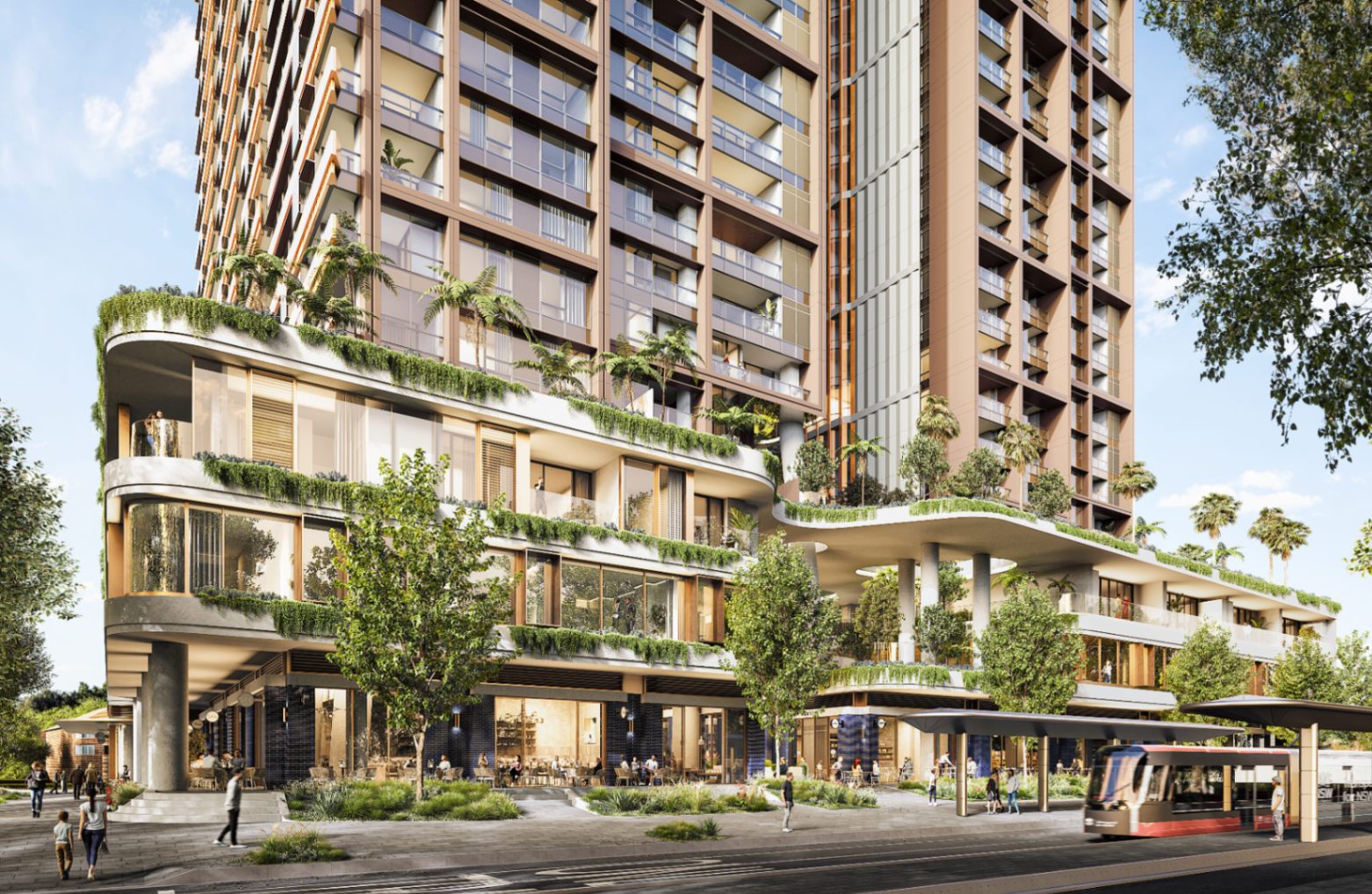 Coposit | Buy with $10K | Sydney Real Estate Market | Buy Property in NSW
Cosmopolitan | Buy with $10K | Parramatta Real Estate Market | Buy Property in NSW
Australian state and territory governments have increasingly formalised the concept of activity centres in their planning frameworks. Rather than treating all suburban land as equivalent, activity centre policies designate certain suburban locations as nodes for increased density, commercial development, and service infrastructure.
These designations matter because they concentrate public and private investment in specific locations, accelerating the urbanisation process in places that policy has identified as appropriate for growth. A suburb that sits within or adjacent to a designated activity centre is, in planning terms, already on a trajectory toward becoming a more urban environment.
Understanding where these designations exist and how they are being implemented is one of the most reliable ways to identify which suburbs are likely to follow the urbanisation path that others have already taken.
How planning zones affect property values and what buyers need to know covers the practical implications of planning policy for buyers and investors.
For first home buyers, the urbanisation of suburbs creates opportunities that did not exist in previous generations. Suburbs that offer a genuine mix of services, employment, and amenity at price points below the inner city represent a different kind of value proposition from the dormitory suburbs that characterised Australian cities a generation ago.
The question is not just what a suburb costs today but what kind of place it is becoming. A suburb mid-way through its urbanisation cycle may offer the best combination of present affordability and future liveability that the market currently provides.
What first home buyers should look for beyond the price per square metre is worth reading alongside this for buyers trying to translate these trends into a practical purchasing decision.
To explore current projects in suburbs with strong urban fundamentals, browse the Coposit projects page, download the Coposit app, or contact the Copsoit team.
Share this article



Follow Coposit:


© 2025 Copyright Coposit.

