

You are scrolling Instagram on a Tuesday night. An ad appears for something you have been half-thinking about. It is 40% off. You click through. You buy it. Done.
The whole transaction takes ninety seconds and costs $300.
Now consider the deposit you are supposed to be saving. You have been thinking about it for two years. You know roughly what you need. You have a savings account. You put money in sometimes.
Why is one so easy and the other so hard?
The answer has almost nothing to do with money. And everything to do with how your brain is wired.
On a recent episode of Property Now, Coposit co-founder Carbs had a conversation about buyer behaviour that most property podcasts would never touch.
The discussion started with retail, specifically why consumers can spend freely on impulse purchases but struggle to save toward property. And it went somewhere genuinely interesting.
When you buy something online and it arrives tomorrow, your brain releases dopamine. It is an immediate reward for a completed action. The hit is fast, it is tangible, and it feels good.
When you transfer $500 into a savings account toward a deposit you will not access for three more years, your brain registers almost nothing. There is no arrival notification. There is no new thing to hold. There is no completion. There is just a number in an account that is slightly higher than it was before.
Your brain is not designed to find that rewarding.
 Coposit | Buy with $10K | Sydney Real Estate Market | Buy Property in NSW
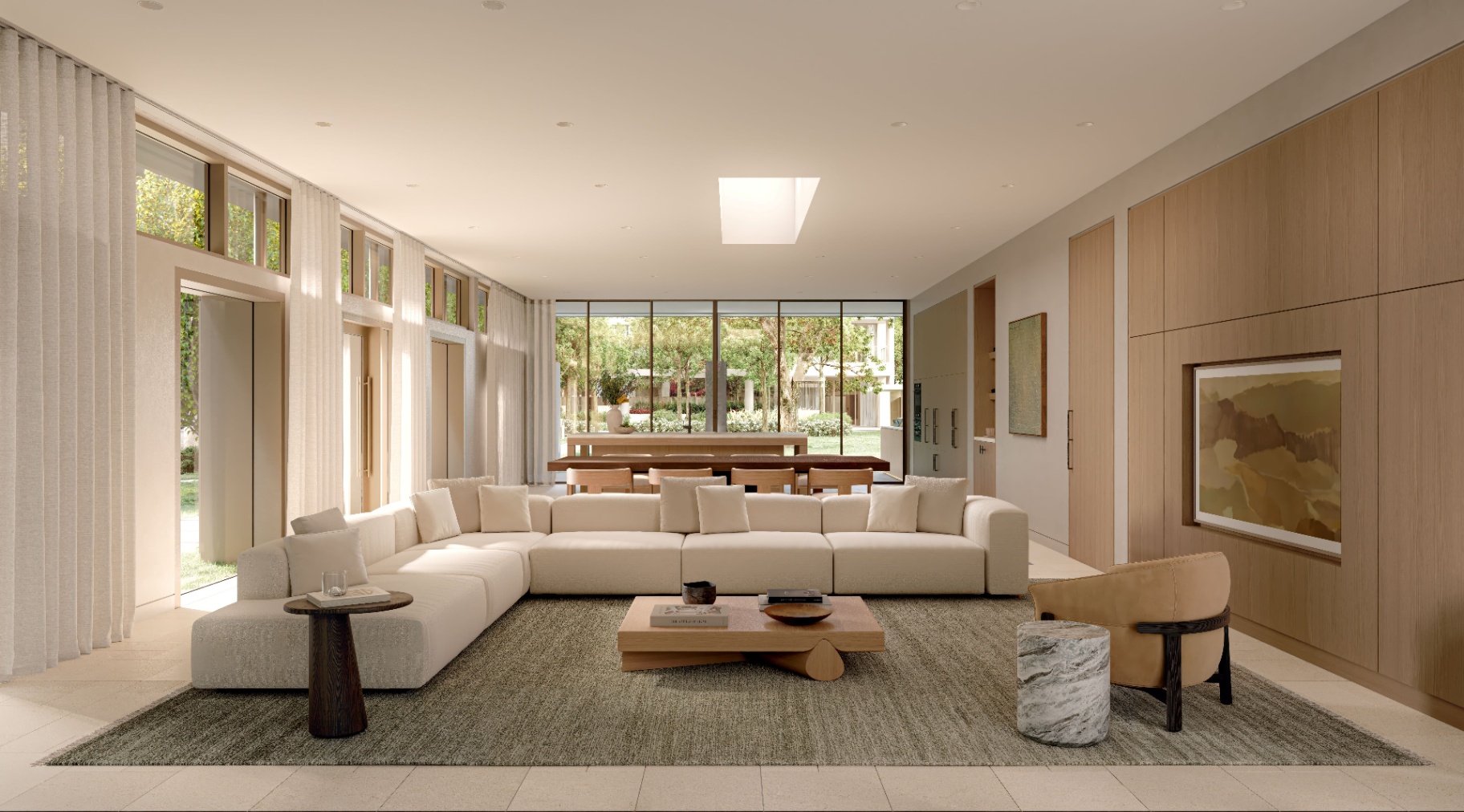
Zeste by Sekisui House | Norwest NSW | $10K deposit | Secure with $19k and $182 x 104 weeks
Social media has engineered the dopamine loop to be faster and more frequent than it has ever been. Short-form video. Instant notifications. One-click purchases. Every part of the digital environment is optimised to give you small, fast rewards.
What that has done, over years of conditioning, is fundamentally alter the way many people, particularly younger Australians, relate to deferred gratification.
The first home buyer age in Australia is now 37. Carbs noted this in the same conversation and drew a direct line. If you are spending your twenties in a world that rewards immediate consumption and makes deferred payoff feel abstract and far away, it is genuinely harder to build the savings discipline that property ownership has historically required.
This is not a moral judgment. It is a psychological one. The environment shapes the behaviour. And the environment has changed enormously.
 Coposit | Buy with $10K | Sydney Real Estate Market | Buy Property in NSW
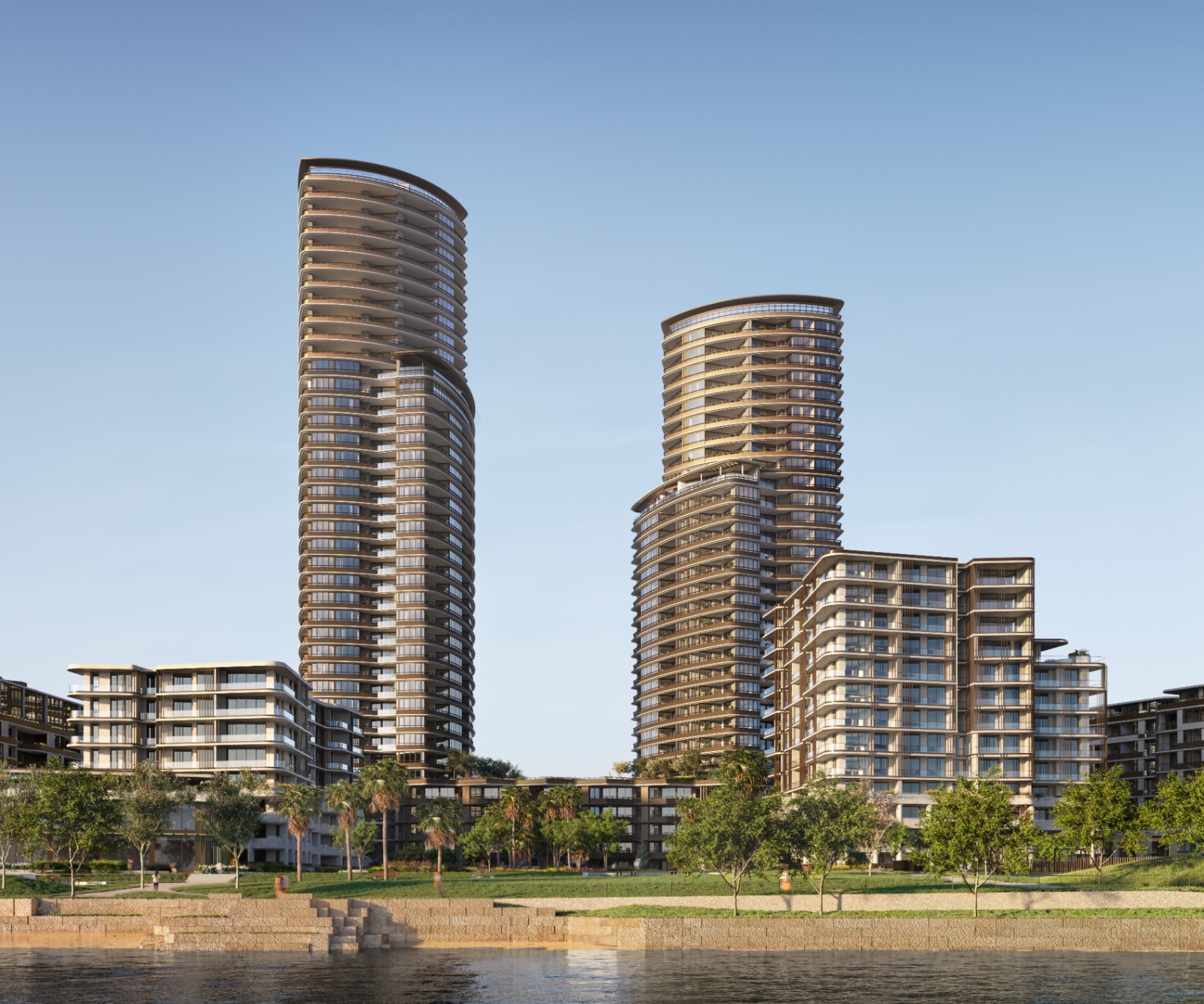
Aeris by Sekisui House | Melrose Park NSW | $10K deposit | Secure with $18k and $184 x 100 weeks
One of the most interesting points from the Property Now conversation was about language.
When people are told they need to sacrifice things to save for a deposit, the word sacrifice carries immediate negative connotations. You are losing something. You are going without. It feels punitive.
But reframe the same behaviour as strategy, I am not sacrificing coffee, I am executing a strategy that moves me toward ownership, and something shifts. The behaviour is identical. The emotional experience of it is different.
Delayed gratification, when it is connected to a clear and meaningful goal, produces a dopamine response that is arguably more powerful and longer-lasting than any impulse purchase. Anyone who has ever put up the sold sticker on their first home knows the feeling.
The challenge is bridging the gap between the abstract future reward and the present moment in a way that feels real enough to sustain the behaviour.
 Coposit | Buy with $10K | Sydney Real Estate Market | Buy Property in NSW
Here is where the psychology becomes directly relevant to property.
The traditional deposit savings model asks buyers to defer gratification completely. Save the money. Do not touch it. Wait years. Then act.
There is no milestone along the way. No tangible progress marker. No sold sticker moment until the very end, years from now, if the conditions ever align.
That model is psychologically brutal. It asks people to sustain motivation toward an abstract goal in an environment specifically designed to pull their attention and spending in a different direction every few minutes.
The Coposit weekly instalment model works differently at a psychological level. On the day you secure a property with $10,000 upfront, something concrete happens. The property is yours. The price is locked. You have done the thing.
Every weekly instalment after that is not saving toward a distant goal. It is fulfilling a commitment to something you have already secured. The psychology is fundamentally different. You are not waiting. You are progressing.
That distinction matters more than most people in property acknowledge. Behaviour change is hard. Systems that make the right behaviour easier and more rewarding work better than systems that require pure willpower sustained over years.
The conversation Carbs and his guest were having was really about what it means to build wealth in a world optimised for immediate consumption.
Property is long. It is slow. It does not give you the notification. The dopamine hit of home ownership, when it arrives, is enormous but it arrives after years of decisions that produce no visible reward.
The question is not whether young Australians want to own property. The data suggests they do, more than previous generations did at the same age. The question is whether the tools available to them are designed for the psychological reality they actually live in.
That is the question worth asking. And it is not fully answered yet.
Browse eligible off-the-plan developments on the Coposit projects page, download the app, or contact the team to understand how the deposit structure works.
Share this article



Follow Coposit:


© 2025 Copyright Coposit.