

Suburb-level property data tells you something, but not everything. Average price growth figures, median rents, and vacancy rates across a suburb can mask variation within it that is large enough to make the difference between a strong investment and a disappointing one. Two properties a few streets apart, in the same suburb, purchased at similar prices, can have significantly different trajectories over five or ten years.
Understanding why this happens is not an academic exercise. It is a practical tool for making better property decisions.
Within any suburb, some streets and locations are more desirable than others, and that desirability is priced into properties differently depending on how well-informed buyers are and how efficiently the local market functions.
Proximity to the specific amenities that buyers value most, including parks, good schools, train stations, and established shopping strips, varies significantly across a suburb. A property one block from a park in a family-oriented suburb has a different demand profile than a comparable property ten blocks away. The suburb-level data averages these differences out, but they are real and persistent in price outcomes.
Traffic volume and street character also matter. Properties on quiet residential streets in the same suburb as arterial roads attract different buyers and different prices. A home on a street with high through-traffic may achieve lower prices and experience slower growth than an otherwise identical property on a quiet cul-de-sac nearby, even though both are described as being in the same suburb.
Aspect and outlook create variation too. A property with northern aspect and a park view is a fundamentally different product from a property in the same suburb with southern aspect and an outlook onto a fence or a car park, even if the two are sold in the same price bracket.
 Coposit | Buy with $10K | Sydney Real Estate Market | Buy Property in NSW
Elora | Castle Hill NSW | $10K deposit | Secure with $10k and $1,487 x 74 weeks
Beyond location within the suburb, the specific characteristics of individual properties create divergence in performance that suburb averages cannot capture.
Land content is one of the most significant variables. In Australian property markets, the land component of a property drives long-term appreciation more reliably than the dwelling component, which depreciates over time. Two properties at the same price point in the same suburb, one a house on a 600 square metre lot and the other a unit with no land ownership, have very different long-term growth profiles even if their initial rental yields are comparable.
The quality of construction and the condition of the property affect both rental appeal and the cost of ownership. A well-constructed property with quality finishes attracts better tenants, achieves higher rents, requires less ongoing maintenance expenditure, and tends to hold its value better than a poorly built or poorly maintained comparable property nearby.
Floor plan and liveability affect demand from both owner-occupiers and tenants. A property with a floor plan that works well for the way people actually live, with appropriate separation between living and sleeping areas, good storage, adequate natural light, and functional outdoor space, has a larger pool of motivated buyers and tenants than one that has significant compromises in its layout.
Acoustic Design Matters More Than You Think in Modern Apartments covers one specific quality factor that affects liveability and therefore demand, often in ways that buyers do not fully weigh before purchasing.
For apartments and units, the body corporate or owners corporation introduces another layer of variation that is invisible in suburb-level data but significantly affects individual property performance.
A well-managed body corporate maintains the building to a high standard, keeps levies reasonable and predictable, resolves disputes efficiently, and plans for major capital expenditure in a way that avoids special levies. Properties in well-managed buildings hold their value better, attract better tenants, and are easier to sell because buyers face fewer concerns about the state of the building and its finances.
A poorly managed body corporate creates the opposite dynamic. Deferred maintenance, high levies, unresolved disputes, and inadequate sinking funds all affect the attractiveness of the building to buyers and tenants and can suppress prices and rents relative to comparable properties in better-managed buildings in the same suburb.
This variation is entirely absent from suburb-level statistics but can be one of the most consequential factors in the actual performance of an apartment investment.
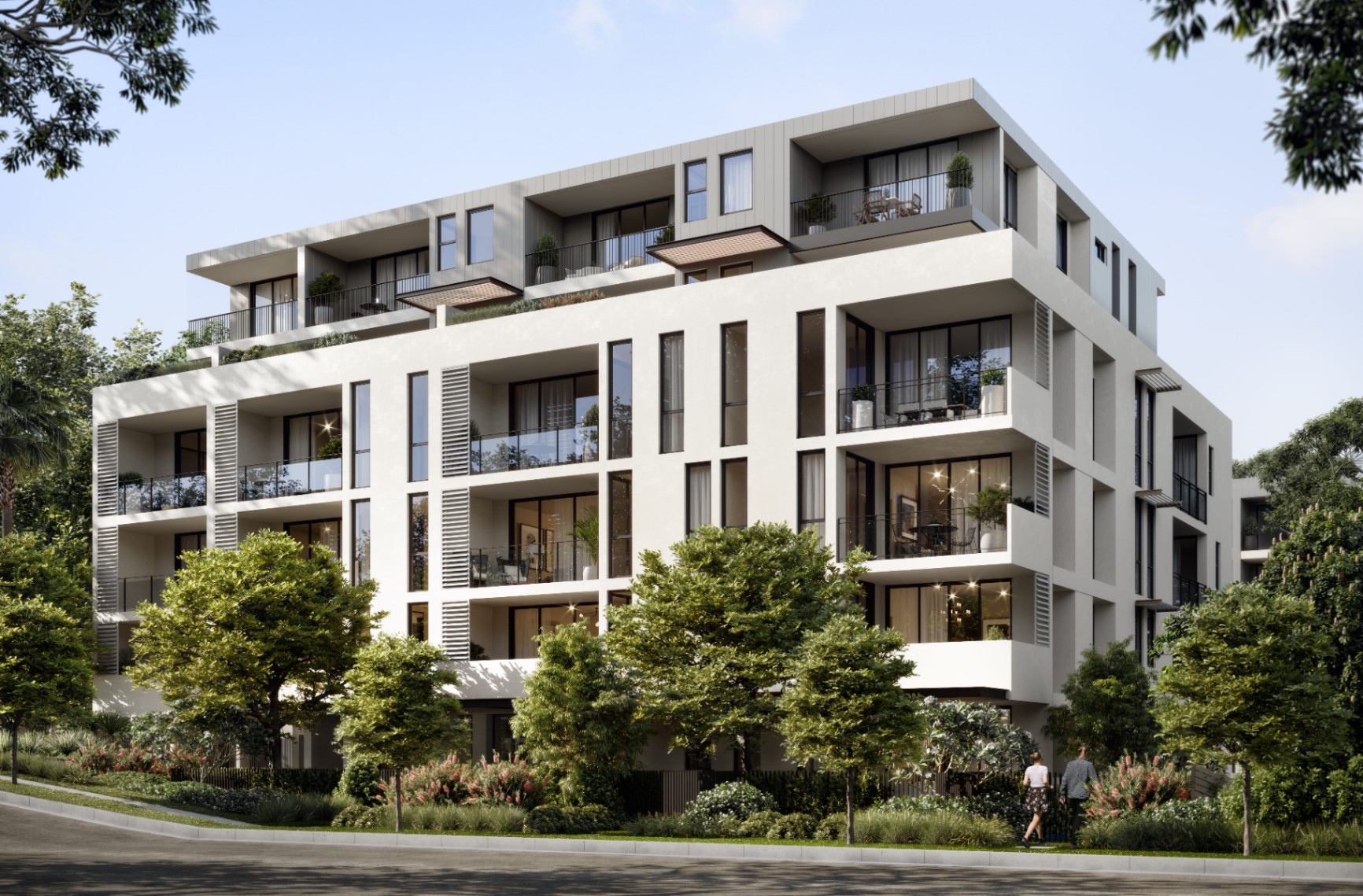 Coposit | Buy with $10K | Sydney Real Estate Market | Buy Property in NSW
Argo | Castle Hill NSW | Secure now with $10k | Move in Now
Planning decisions can dramatically differentiate properties within the same suburb. A rezoning that permits higher density development on a property or in its immediate surrounds can significantly increase land value. The same rezoning can negatively affect neighbouring properties whose amenity declines when lower-scale surroundings are replaced by higher-density development.
Proximity to approved development that will improve local amenity, a new park, a school upgrade, an improved shopping precinct, can lift property values in specific streets before the broader suburb reflects the improvement. Conversely, proximity to a development that will generate noise, traffic, or overlooking can suppress values in affected properties without touching those a few streets away.
How Land Scarcity Influences Property Values in Australian Cities covers the broader relationship between supply constraints and values, which is relevant context for understanding why development activity creates divergence within suburbs.
For investment properties, the history of tenancy in a property, including vacancy periods, the quality of tenants it has attracted, and the condition in which tenants have maintained it, affects both current value and future performance.
A property with a history of long-tenured, reliable tenants and minimal vacancy has a track record that supports its asking price. A property with frequent vacancies, problematic tenants, or significant damage history has accumulated costs and risks that are not visible in the suburb median but are very real for the investor considering it.
The implication of within-suburb variation is that suburb selection, while important, is not sufficient as a basis for property investment decisions. The specific property, its precise location within the suburb, its physical characteristics, the quality of its construction and management, and its planning context all affect how it will perform relative to suburb averages.
Buyers who do the work of understanding these property-specific factors, rather than relying on suburb-level data alone, make better decisions. The best properties in a suburb will consistently outperform the median, and the worst will consistently underperform it. Knowing which side of that divide a specific property sits on is what good due diligence produces.
To explore developments that are selected for their specific location and quality fundamentals, browse the Coposit projects page, download the Coposit app, or contact the Copsoit team.
Share this article



Follow Coposit:


© 2025 Copyright Coposit.

