

Ask someone what they love about the suburb they live in and green space comes up consistently. The park where they walk on weekends. The reserve at the end of the street. The tree-lined avenue that makes the walk to the train station something other than a chore. These things matter to people in ways that are real and measurable, not just aesthetic.
What has changed in recent years is that the value of green space in urban areas has moved from a pleasant background feature to something that property markets, health researchers, and urban planners are taking seriously and quantifying. The evidence is now substantial enough that the presence, accessibility, and quality of green space in a suburb is increasingly treated as infrastructure, not ornamentation.
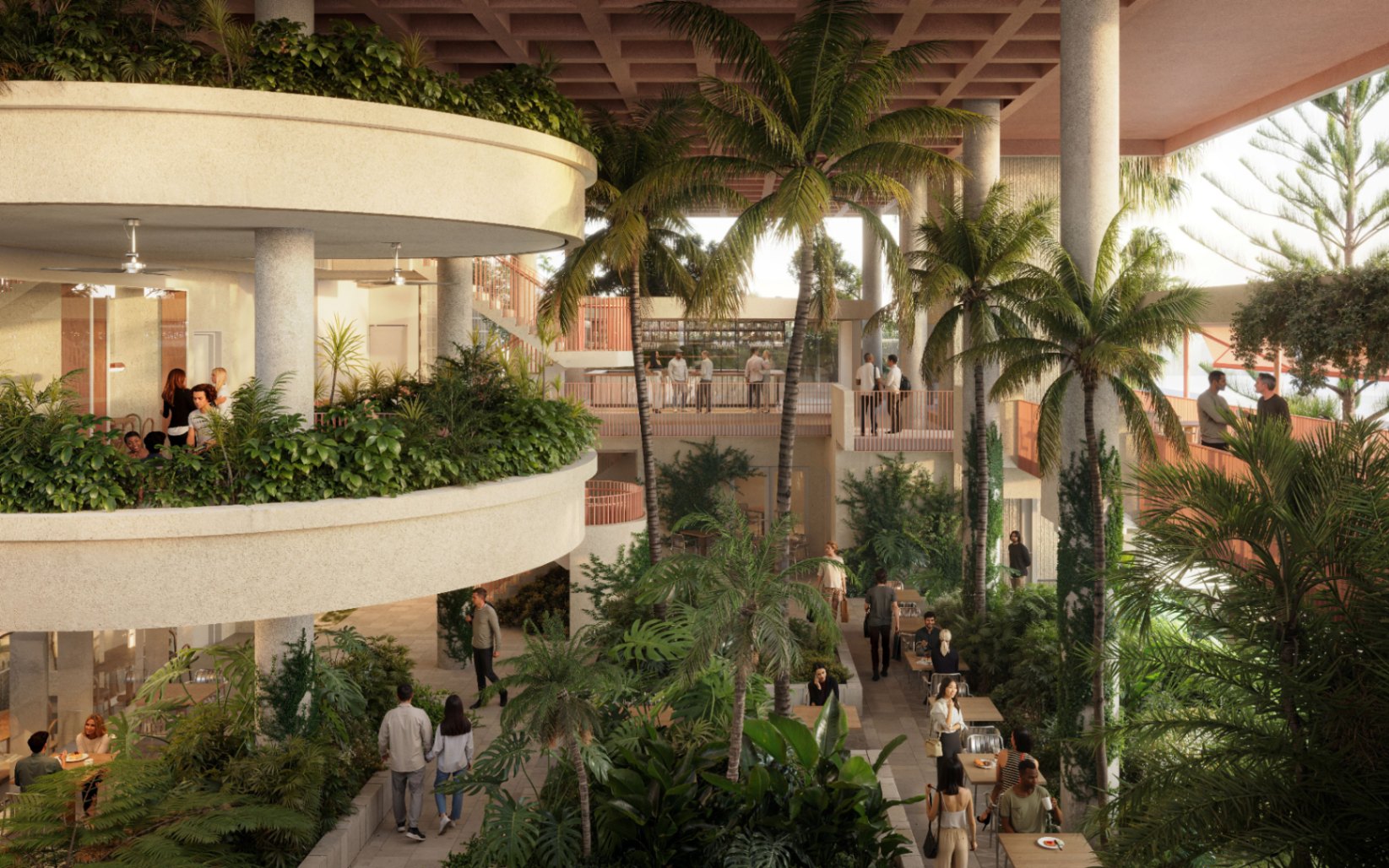 Coposit | Buy with $10K | Gold Coast Real Estate Market | Buy Property in QLD
The Alfred Residences | Mermaid Beach QLD | $10K deposit | Secure with $10k and $2,451 x 51 weeks
The health research on green space is consistent across studies and geographies. Access to parks and green areas is associated with lower rates of depression and anxiety, higher levels of physical activity, better cardiovascular outcomes, and stronger social connection. The mechanisms include the opportunity for physical exercise, the restorative effect of natural environments on cognitive function, and the social infrastructure that shared public spaces provide.
For urban residents, who face higher ambient stress, lower physical activity levels, and more limited connection to natural environments than their rural counterparts, accessible green space is not a luxury. It is a meaningful contributor to health outcomes.
The evidence from property markets reinforces the health research. Studies of Australian and international property markets consistently find that proximity to parks, reserves, and green corridors attracts a price premium. The size of the premium varies by study and location, but the direction of the effect is consistent: buyers pay more for access to green space, and the market reflects that preference in sale prices.
Several forces are increasing the relative value of urban green space in Australian cities.
Population density in urban areas is increasing, which means the supply of public outdoor space per resident is declining in many suburbs. As apartments replace houses and medium density development fills in previously low-density areas, the proportion of residents with private outdoor space decreases. Public parks and green spaces become more important because they are filling a gap that private gardens used to fill for a larger proportion of residents.
The period of extended time at home that many Australians experienced has recalibrated how people think about their immediate environment. Access to outdoor space, and specifically outdoor space that is not a car park or a busy road, became viscerally important in a way that was harder to appreciate previously. Many people emerged from that period with a different hierarchy of what they want from where they live, with outdoor access featuring more prominently.
Climate is also a factor. As Australian summers become hotter and heat events more frequent and intense, access to shaded green space and tree canopy becomes a functional necessity for outdoor activity rather than a pleasant option. Suburbs with strong tree canopy and accessible parks will be more liveable in a hotter climate than those without. Designing for Australian Summers: How New Homes Are Adapting to Heat covers the built environment side of this challenge.
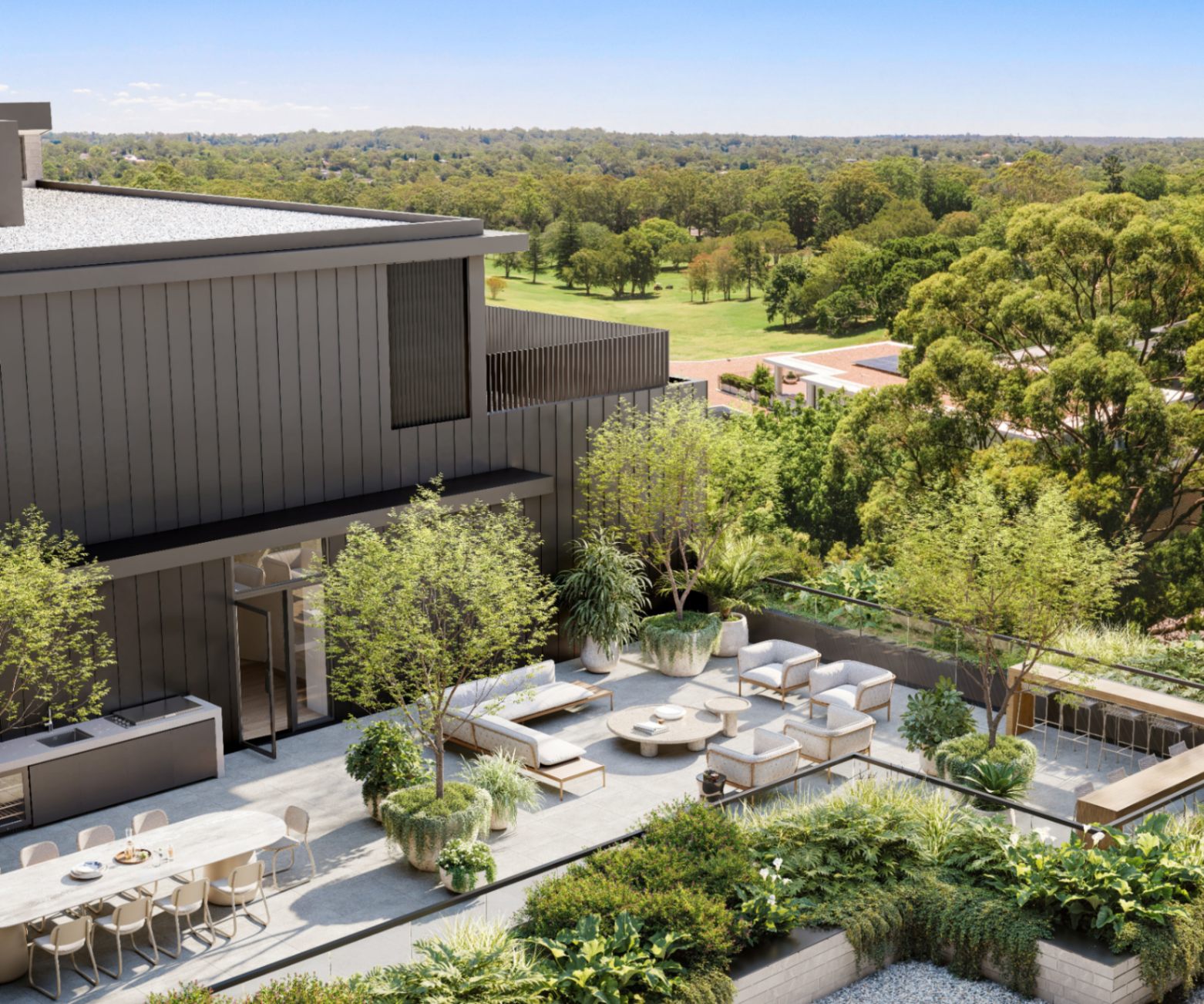 Coposit | Buy with $10K | Sydney Real Estate Market | Buy Property in NSW
The Cowan | St Ives NSW | $10K deposit | Secure with $10k and $1,750 x 100 weeks
Urban planners in Australian cities have increasingly formalised the role of green space in urban design standards. Most planning frameworks now set minimum distances from residential development to open space, minimum sizes for public parks in new residential areas, and requirements for tree canopy coverage on streets and in development sites.
Beyond minimum standards, leading councils and planning authorities are investing in green infrastructure as a deliberate urban strategy. Green corridors that connect parks and reserves, urban forests that target canopy coverage targets across entire suburbs, and waterway restoration projects that create linear green spaces through dense urban areas are all part of a planning toolkit that treats green space as a network, not a series of isolated sites.
The urban heat island effect, which causes urban areas to be significantly warmer than surrounding rural areas due to the abundance of hard surfaces and absence of vegetation, is a specific driver of investment in green infrastructure. Tree planting and park expansion in dense urban areas are documented strategies for reducing ambient temperatures, with measurable effects on resident comfort and energy costs.
For new residential developments, proximity to green space has become an increasingly prominent feature of project positioning. Developments that back onto reserves, overlook parks, or sit within walking distance of established green corridors use that proximity as a selling point because buyers have demonstrated they value it.
Beyond proximity to existing green space, the quality of green space within new developments has also improved in response to buyer expectations. Communal gardens, rooftop green areas, landscaped courtyards, and tree-lined internal streets are features that appear in new projects because they address the same underlying need for outdoor, natural environments that public parks serve for the broader suburb.
From Rooftop Gardens to Shared Workspaces: The Changing Role of Apartment Amenities covers how the internal amenity offering of contemporary apartment developments has evolved in response to similar pressures.
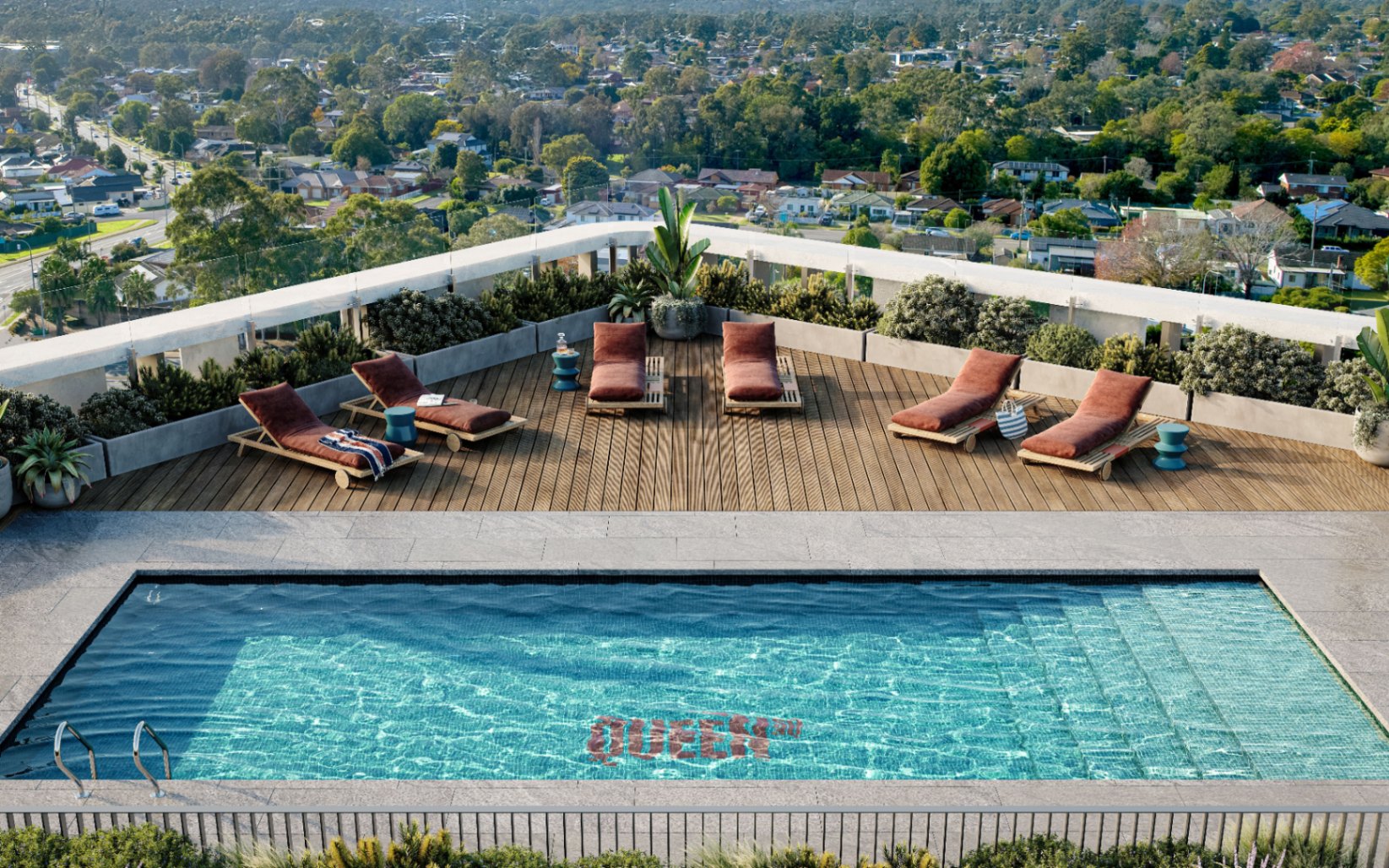 Coposit | Buy with $10K | Sydney Real Estate Market | Buy Property in NSW
Queen Square | Campbelltown NSW | $10K deposit | Secure with $10k and $307 x 155 weeks
For buyers evaluating a suburb or a specific development, the green space question is worth assessing more deliberately than it might have been in previous generations.
The key factors are accessibility, not just existence. A large regional park that requires a 20-minute drive offers different value to daily life than a smaller local reserve within a ten-minute walk. The usability of green space, including whether it is shaded, maintained, equipped for different kinds of activity, and safely connected to the surrounding street network, matters as much as its size.
Tree canopy on streets within the suburb is worth examining separately from park coverage. Shaded streets make walking and cycling more viable in warm weather, contribute to cooling the local environment, and have been shown to affect how residents experience and value their neighbourhood.
Green space is not going to be the only factor in a purchasing decision, but it is one that is increasingly reflected in both quality of life and in long-term property value. Treating it as infrastructure rather than a nice-to-have is a perspective that the evidence supports.
To explore developments that prioritise outdoor amenity and green space access, browse the Coposit projects page, download the Coposit app, or contact the Coposit team.
Share this article



Follow Coposit:


© 2025 Copyright Coposit.

