

New apartments and houses with high energy efficiency ratings typically cost more than comparable properties with lower ratings, either because the developer has invested more in insulation, glazing, and building fabric, or because the buyer has factored the rating into their willingness to pay. The question of whether that premium is justified involves both a financial calculation and a liveability assessment, and the answer has become clearer as energy costs have risen and rating systems have become more sophisticated.
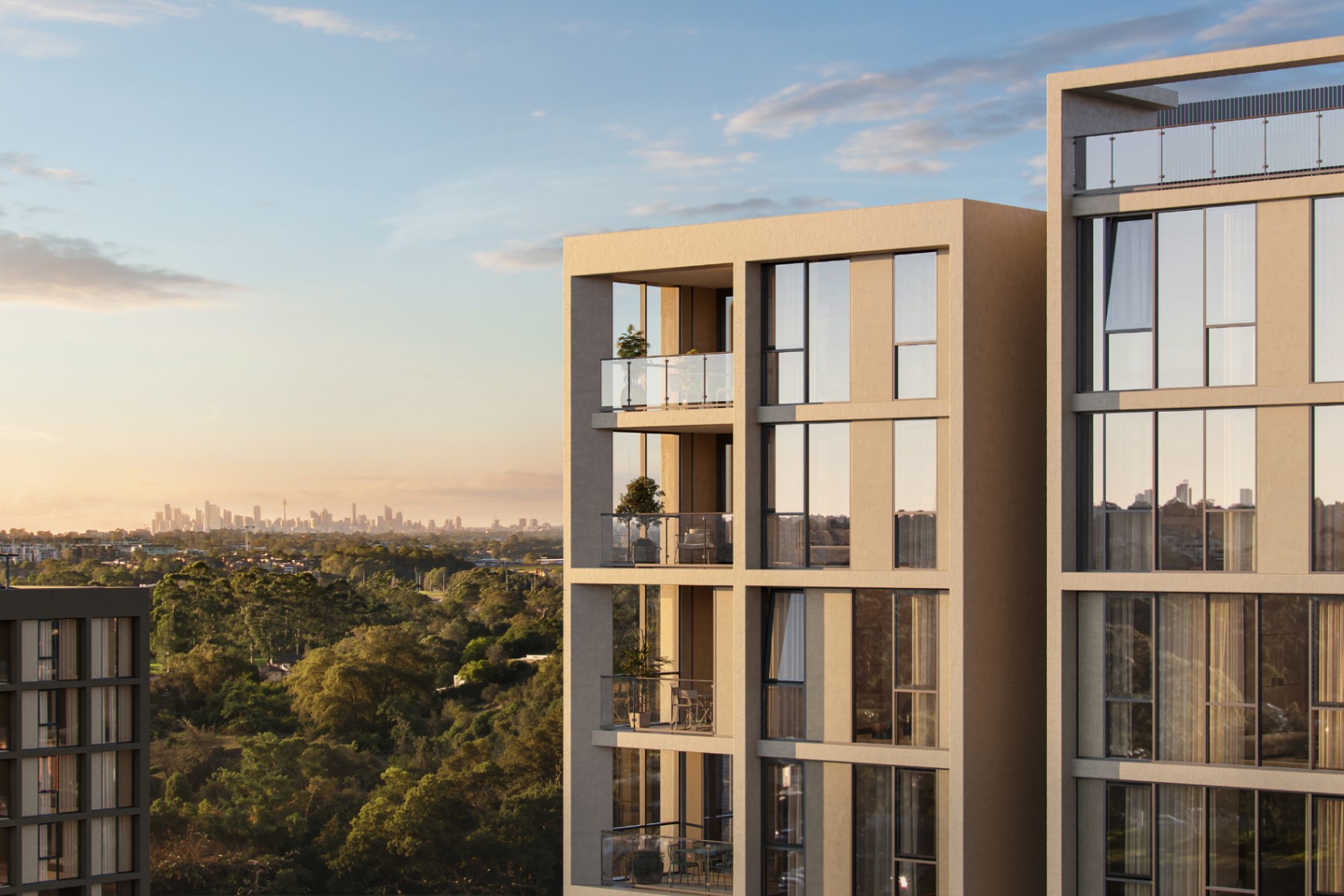 Coposit | Buy with $18K | Sydney Real Estate Market | Buy Property in NSW
Aeris | Melrose Park NSW | Buy with $10K | Secure with $18k and $230 x 80 weeks
The term energy efficiency in residential buildings covers a range of features and performance characteristics that are not always visible to a buyer inspecting a property.
Thermal performance is the most fundamental. A well-insulated building with appropriate glazing, thermal mass, and orientation loses or gains heat more slowly than a poorly insulated one. The result is a home that stays cooler in summer and warmer in winter without the heating and cooling system working as hard. The NatHERS rating system in Australia measures thermal performance on a scale of zero to ten stars, and requirements have been incrementally tightened over time with new residential construction now required to meet a minimum of seven stars in most states.
Appliance and system efficiency covers the heating and cooling system itself, hot water, lighting, and cooking equipment. A highly efficient building with an inefficient ducted gas heating system may perform poorly on actual energy bills despite a good thermal rating.
Renewable energy generation through rooftop solar panels reduces grid electricity consumption and can generate credits when production exceeds consumption. The value of this depends on the feed-in tariff, the household's consumption pattern, and whether the system includes battery storage.
How sustainable design is influencing new Australian homes covers how developer approach to these features has evolved and what is now standard in well-designed new residential construction.
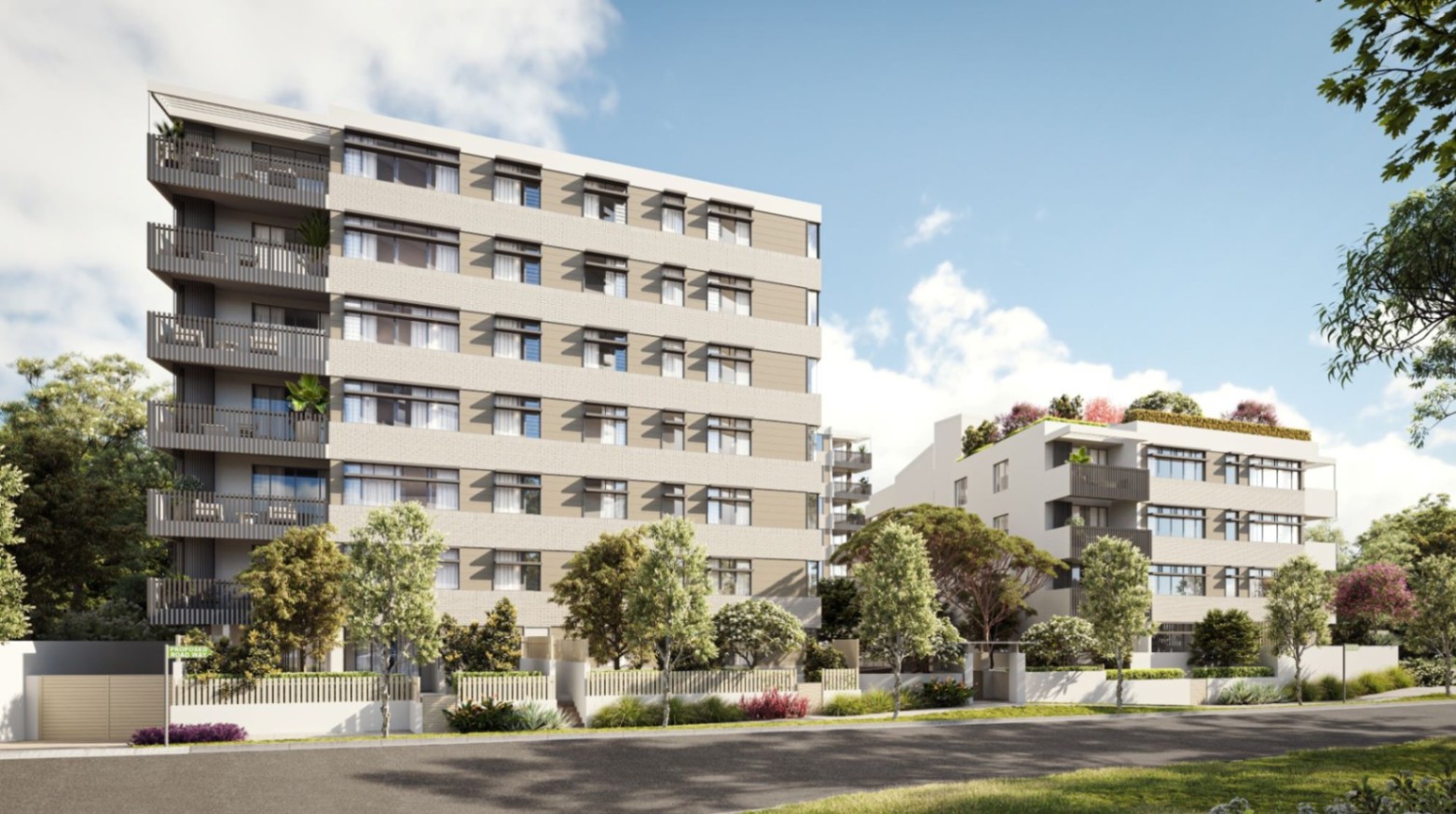 Coposit | Buy with $10K | Sydney Real Estate Market | Buy Property in NSW
Sky Box Hill | Box Hill NSW | Buy with $10K | Secure with $10k and $426 x 127 weeks
The financial case for paying a premium for energy efficiency rests on the operating cost savings generated over the ownership period.
A household in a seven-star home compared with a comparable five-star home can expect to spend meaningfully less on heating and cooling over the year. Research from CSIRO and various state energy authorities suggests the annual saving for a typical apartment can be $300 to $800 per year on energy costs, depending on climate zone, household size, and energy prices. For a house, the saving can be $800 to $2,000 per year.
Over a ten-year ownership period, the cumulative saving is $3,000 to $8,000 for an apartment and $8,000 to $20,000 for a house. As electricity prices have risen, these figures have increased.
When considered alongside the comfort benefit, the environmental advantage, and the increasing regulatory trajectory toward higher standards, an upfront premium of $5,000 to $15,000 for meaningfully better energy performance has a reasonable financial payback period in most scenarios.
The financial calculation is not the only relevant measure. A thermally comfortable home, one that does not require a heating or cooling system running at maximum capacity to be liveable in summer and winter, provides a qualitatively different experience from a home that is cold in winter and hot in summer.
This matters particularly for families with young children or elderly residents, for people who work from home and spend more hours in the property across more conditions, and for buyers in climate zones with extreme summer or winter temperatures.
The rise of wellness-focused residential developments covers how residential design has moved toward treating occupant health and comfort as primary design objectives. Energy efficiency and thermal performance are central to this because indoor temperature, air quality, and humidity directly affect how people feel and function in the spaces where they spend most of their time.
The trend in Australian building regulations has been consistently toward higher performance requirements over time, with the 2022 adoption of seven-star NatHERS minimums being the most recent step in a long trajectory. This matters for buyers because properties that already exceed current minimum standards are better positioned relative to future requirements than properties that were built to the minimum of their era.
An apartment built to a nine-star standard now will not need upgrading as standards increase. An apartment built to a five-star standard ten years ago may face retrofit costs or may be perceived less favourably by future buyers if the gap between its performance and current standards becomes material to the market.
How new apartment design in Australia is changing to suit the way we live now reflects how developer approach to specification has evolved in response to both regulatory requirements and buyer preferences.
For most buyers making a long-term ownership decision, the premium for meaningfully better energy efficiency is worth paying. The operating cost savings are real and accumulate over the ownership period. The comfort benefit is genuine. The regulatory trajectory is toward higher standards, which means better-performing properties are better positioned over time. And as energy prices have increased, the financial case has strengthened.
Coposit allows eligible buyers to secure new off-the-plan developments with $10,000 upfront and weekly deposit instalments during construction. New developments built to current standards include the energy efficiency features described above as a baseline rather than an upgrade.
Browse current eligible developments on the Coposit projects page, download the Coposit app, or contact the team to understand what is currently available.
Share this article



Follow Coposit:


© 2025 Copyright Coposit.

