

Buying property is the most significant financial decision most Australians will ever make. It is also one of the least well-explained.
Most guides either oversimplify the process into a cheerful five-step infographic or bury readers in legal jargon before they have even started looking at suburbs. Neither is particularly useful when you are standing at the beginning of the journey wondering where to actually begin.
This guide covers the full process from the moment you decide you want to buy to the moment the keys are in your hand. It is written for buyers in Australia, primarily NSW, and focuses on what actually matters at each stage rather than what sounds impressive in a brochure.
Before you look at a single property, you need to know your number.
Your number is not what you wish you could afford or what your parents paid for their first home. It is what a lender will actually offer you based on your current income, expenses, credit history, existing debts, and dependants.
The starting point is getting a pre-approval from a lender or working with a mortgage broker to understand your borrowing capacity across multiple lenders. Pre-approval is not a guarantee of finance, it is a conditional assessment based on your financial situation at a point in time. But it gives you a realistic ceiling to work within before you start attending open homes and falling in love with properties outside your range.
When calculating your budget, do not just use the loan amount. Add your deposit, then subtract the additional costs of buying:
What is left after all of those is your actual budget for the purchase price. Most buyers underestimate this by $20,000 to $30,000 and get a nasty surprise late in the process.
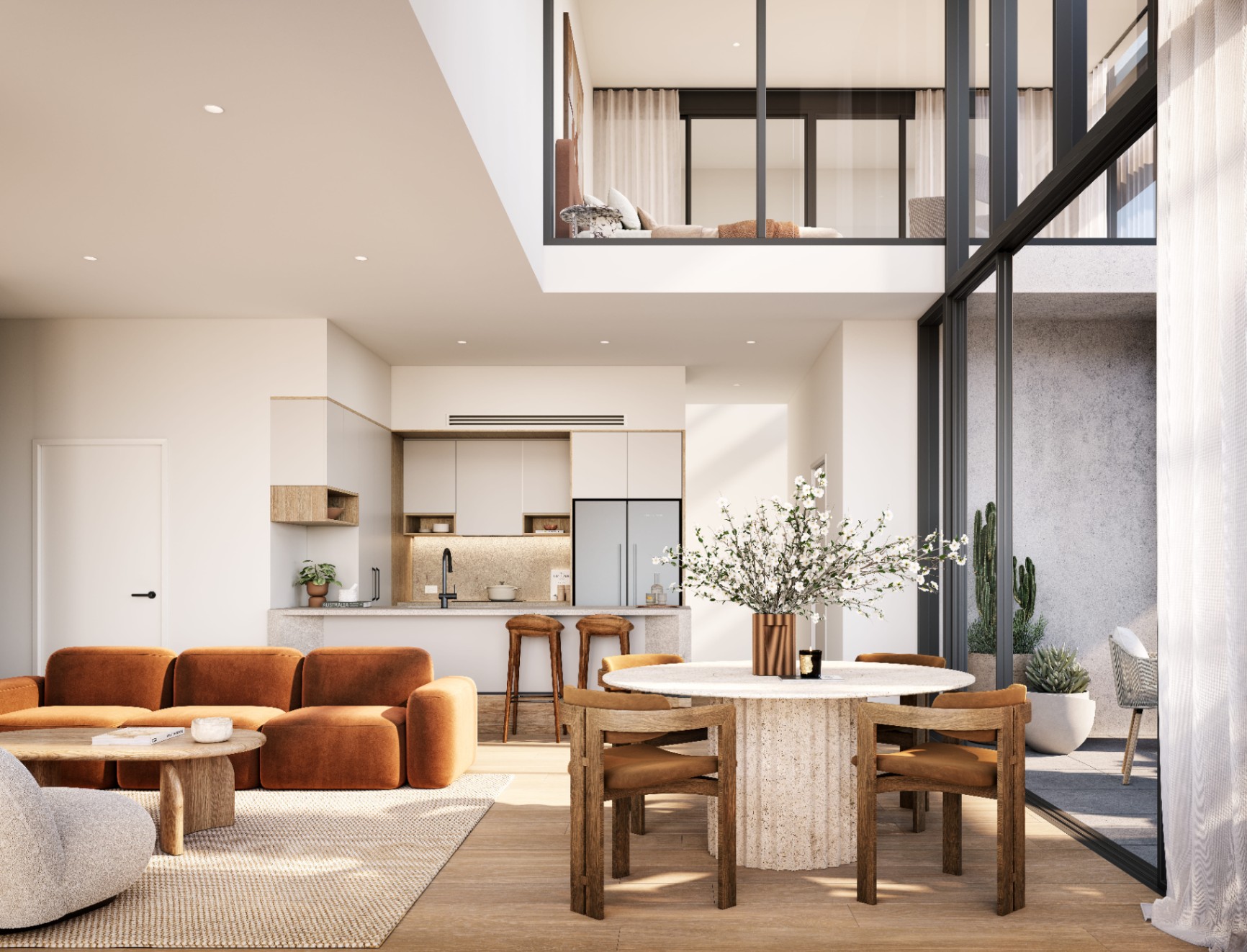 Coposit | Buy with $10K | Sydney Real Estate Market | Buy Property in NSW
Cosmopolitan | Parramatta NSW | $10K deposit | Secure with $10k and $691 x 92 weeks
Your deposit is typically 10 to 20% of the purchase price. The higher your deposit, the less you borrow, the lower your repayments, and the more likely you are to avoid lenders mortgage insurance.
For first home buyers, several schemes reduce the deposit required. The First Home Guarantee allows eligible buyers to purchase with a 5% deposit without paying LMI. State-based grants and stamp duty concessions can also significantly reduce the total upfront cost.
If you are buying off the plan through Coposit, the deposit structure works differently. You secure an eligible property with $10,000 upfront and pay the remaining deposit through weekly instalments during the construction period, interest-free and fee-free. Settlement typically occurs 12 to 24 months after signing, which gives you time to continue saving and preparing your finances while the property is being built.
Once you know your budget, you need to define what you are actually looking for before you start searching. Buyers who start without a clear picture of their criteria waste months at open homes and make poor decisions under pressure.
The three things to get clear on before you start:
Location. Not just a suburb, a specific area within that suburb. School catchment if you have or are planning children. Proximity to transport, work, and the things you actually use weekly. Is walkability important or are you car-dependent?
Property type. House, apartment, townhouse. How many bedrooms do you genuinely need versus how many you would like? Is outdoor space essential or a preference?
Non-negotiables versus preferences. Write a list of everything you want and divide it honestly into two columns. Your non-negotiables are the things that would make you walk away from a property regardless of everything else. Your preferences are things you would like but would compromise on for the right property in the right location at the right price.
Before attending a single open home, search recent sales, not current listings, for properties that match all three criteria simultaneously. If you can find several recent sales that tick every box, your search is grounded in reality. If you cannot, something needs to adjust before you start.
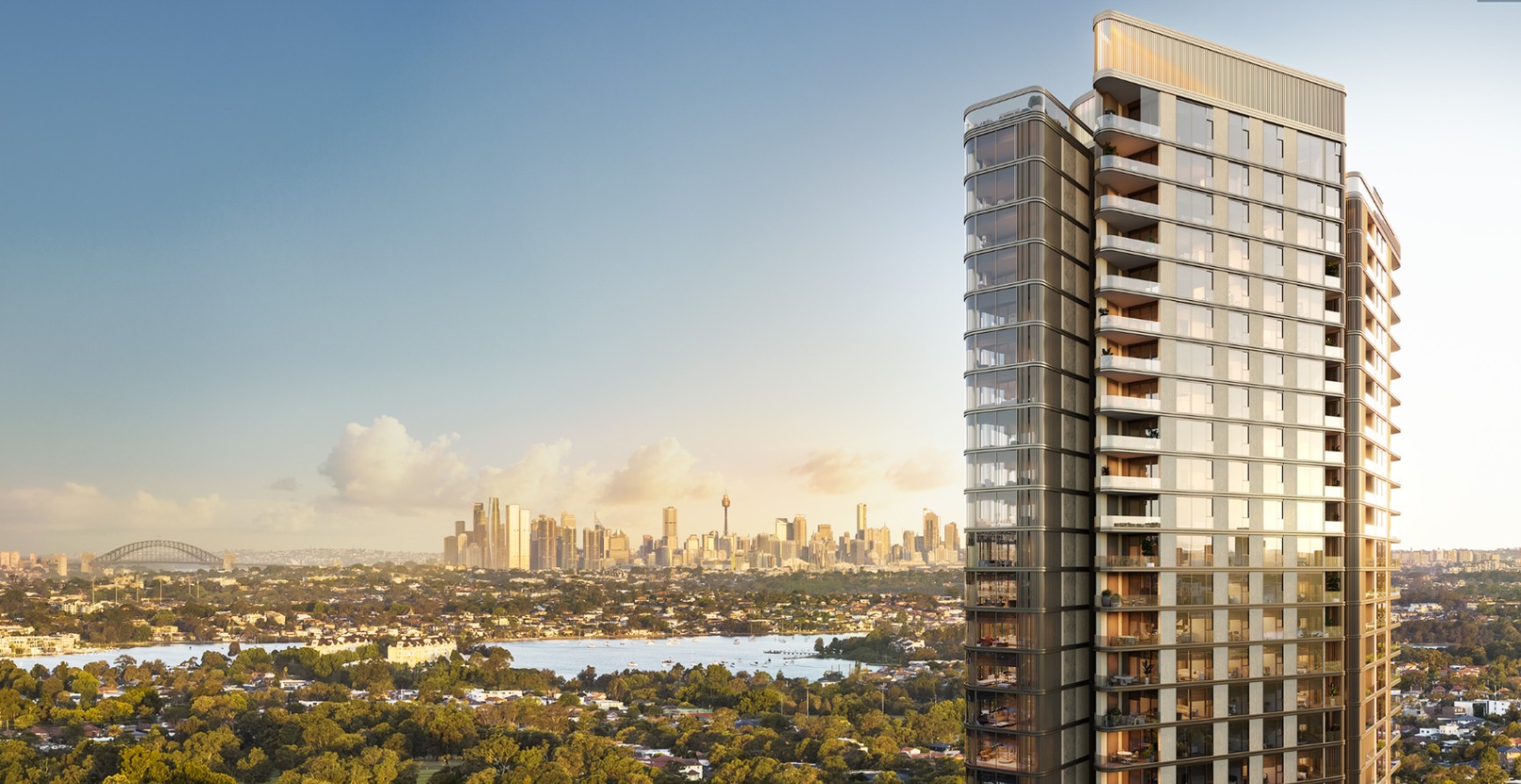 Coposit | Buy with $10K | Sydney Real Estate | Buy Property in NSW
Concord Central | Concord West NSW | $10K deposit | Secure with $10k and $371 x 170 weeks
With your criteria clear and your budget confirmed, you can start actively searching.
At open homes, inspect thoroughly. Not just the aesthetics, the bones. Turn on every tap, every light, every appliance. Check doors and windows open and close properly. Look for cracks in walls and ceilings, signs of damp or water damage, and evidence of pest activity. Walk around the outside of the building. Check the condition of the roof if you can see it.
For apartments and townhouses, obtain and read the strata report. The body corporate's Annual General Meeting minutes will tell you about any significant maintenance issues, special levies, the health of the sinking fund, and any planned works. A building with a healthy sinking fund and no major outstanding repairs is a very different proposition from one with deferred maintenance and a thin reserve.
Always pay for a building and pest inspection before you exchange contracts on an established property. A professional inspection costs $400 to $600 and can identify structural issues, pest damage, or building defects that are invisible to the untrained eye. The cost of fixing a major defect you missed will dwarf the cost of the inspection.
In NSW, properties are sold either by private treaty (negotiated offer) or by auction. The process differs significantly between the two.
Private treaty: You make an offer to the vendor's agent. The vendor accepts, rejects, or counters. When both parties agree, contracts are exchanged and the property is effectively sold, subject to any conditions included in the contract.
Before exchange, work with a conveyancer to review the contract of sale. A conveyancer will identify any unusual clauses, explain what the contract commits you to, and add any conditions you need to protect yourself. The two most important conditions are:
After exchange, you typically have a five-business-day cooling off period in NSW during which you can withdraw from the contract, forfeiting 0.25 per cent of the purchase price.
Auction: At auction, the sale is unconditional. There is no cooling off period. If you win the auction and sign the contract, you are bound to complete the purchase. There is no subject to finance clause.
This means your finance must be genuinely sorted before auction day, not just pre-approved but as close to formally approved as possible. If you win at auction and cannot obtain finance, you lose your deposit and may face further legal action.
Have your conveyancer review the auction contract before the day. In NSW you can typically negotiate the settlement period and deposit percentage before auction, but not conditions on the day.
Know your limit before you walk into the auction room and do not exceed it.
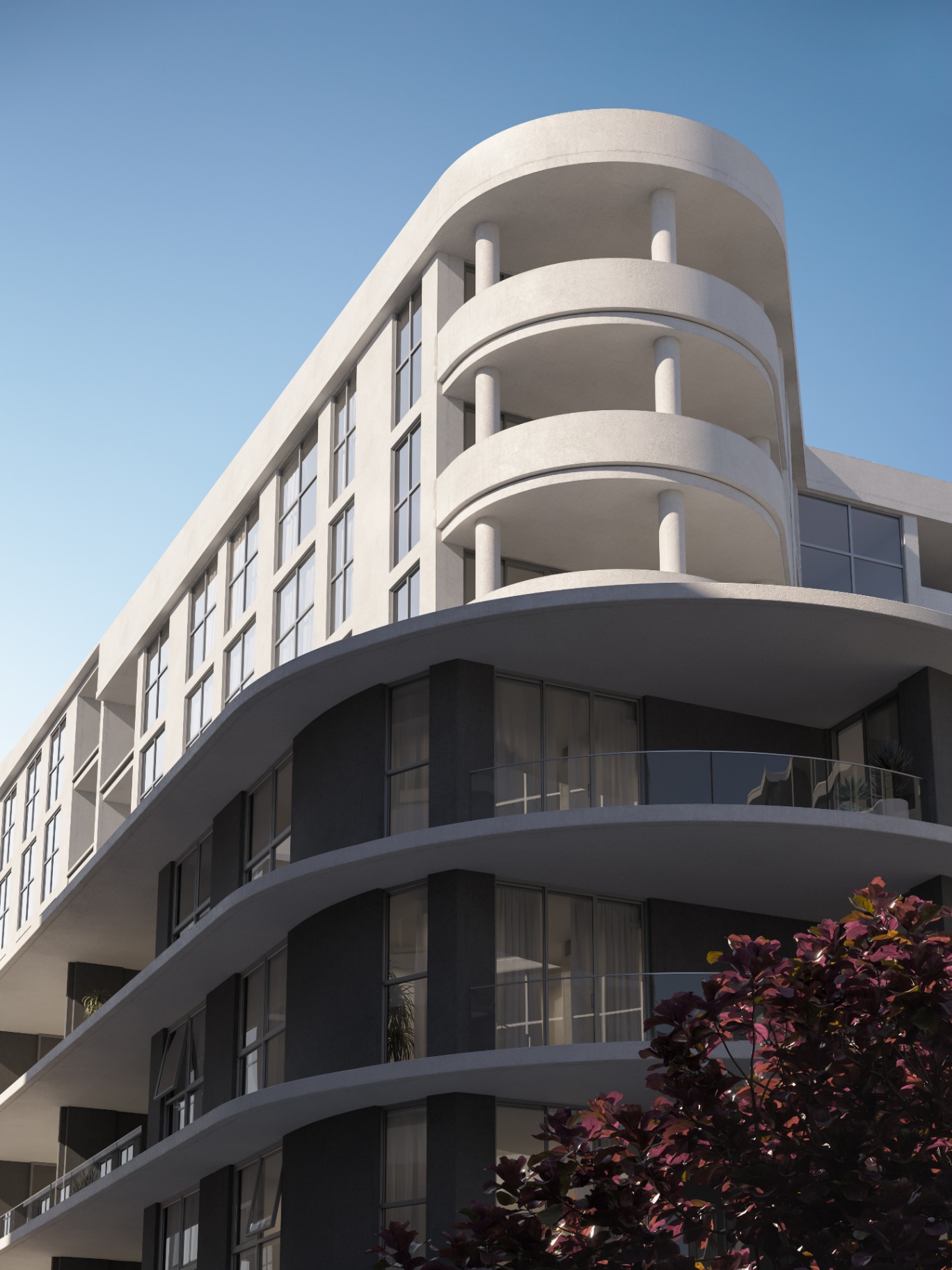 Coposit | Buy with $10K | Sydney Real Estate Market | Buy Property in NSW
Avenue | Castle Hill NSW | $10K deposit | Secure with $10k and $699 x 93 weeks
When your offer is accepted or you win at auction, contracts are exchanged. This is the moment the sale becomes binding, subject to any conditions in the contract.
On exchange, you pay the deposit, typically 10% of the purchase price, to the real estate agent's trust account. This money is held in trust until settlement.
If your deposit is less than 10 per cent you will need to negotiate this with the vendor before exchange. Some vendors will accept a 5 per cent deposit, particularly if you are using a government guarantee scheme or have a strong overall offer.
Once contracts are exchanged, take the executed contract to your lender or broker to apply for formal loan approval.
The lender will:
If the lender's valuation comes in below the purchase price, they will only lend against their assessed value. You will need to fund the shortfall from other sources or find a lender with a higher valuation. This situation arises more commonly with off-the-plan purchases where the market may have moved between signing and settlement.
If your subject to finance clause is in place and the bank declines to lend, you can exit the contract without penalty.
 Coposit | Buy with $10K | Newcastle Real Estate | Buy Property in NSW
Autobiography Wickham | Wickham NSW | $10K deposit | Secure with $10k and $715 x 91 weeks
Settlement typically occurs 42 days after exchange in NSW, though this is negotiable. During this period your conveyancer is preparing the transfer documents and calculating the final settlement figures.
The settlement amount includes:
Your conveyancer will provide a final settlement statement a few days before settlement showing exactly what is required.
A few days before settlement, you are entitled to a pre-settlement inspection of the property. Use this to confirm the property is in the same condition as when you signed the contract.
Check that all inclusions listed in the contract are still present, dishwasher, light fittings, blinds, and any other agreed items. Check for any new damage that occurred after exchange, moving-out damage is common.
If you discover issues, notify your conveyancer immediately. Minor issues can be resolved through a compensation adjustment on settlement. Significant issues may delay settlement while the vendor rectifies them.
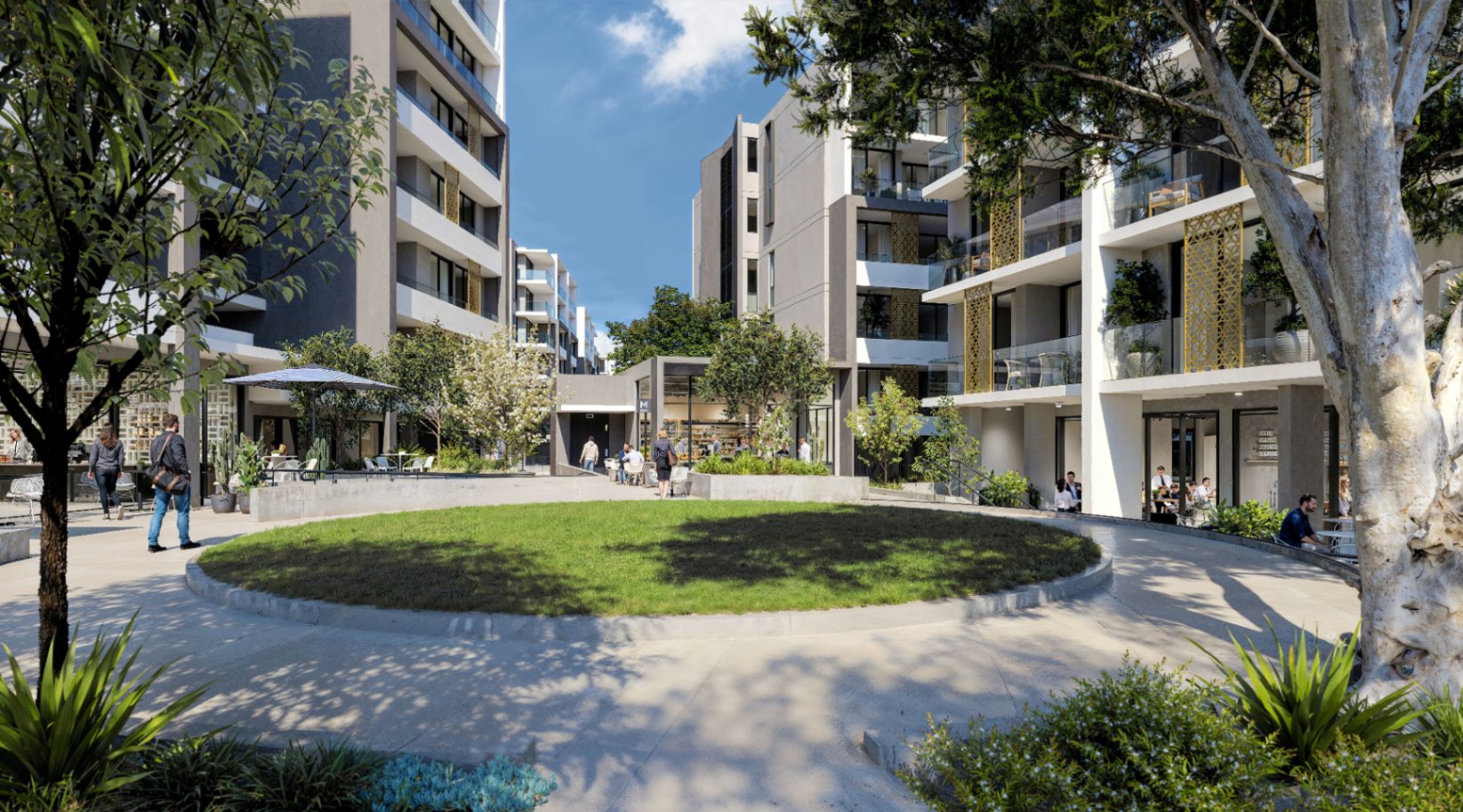 Coposit | Buy with $10K | Northwest Sydney Property | Buy Property in NSW
Kew Tallawong | Tallawong NSW | $10K deposit | Secure with $10k and $511 x 95 weeks
On settlement day, your lender and conveyancer coordinate with the vendor's representatives to transfer funds and register the property in your name. In NSW most settlements now occur electronically through the PEXA platform, which means you do not need to be physically present.
Once settlement is confirmed, your conveyancer will notify you. You can then arrange with the agent to collect the keys.
You are now a property owner.
The process above describes the typical established property purchase. Off the plan purchases follow a similar structure but with some important differences.
You exchange contracts now but settle when construction is complete, typically 12 to 24 months later. The deposit structure can work differently, particularly through Coposit where $10,000 secures the property and the remaining deposit is paid in weekly instalments during the build.
Formal loan approval happens closer to settlement rather than immediately after exchange. This means the lending environment at settlement, interest rates, lending criteria, and your own financial position, is what actually determines your final finance.
The construction period gives buyers time to save, reduce other debts, and prepare for settlement. But it also means buyers need to monitor their financial position throughout the build to ensure they will be in a position to settle when the property is complete.
Browse eligible off-the-plan developments across NSW, QLD, and WA on the Coposit projects page, download the Coposit app, or contact the team to understand how the deposit structure works and which projects are currently available.
Share this article



Follow Coposit:


© 2025 Copyright Coposit.