

Depreciation is one of the most valuable and most underused tax deductions available to Australian property investors. Unlike most investment property deductions, depreciation is a non-cash expense. You do not spend money to claim it. It represents the reduction in value of the building and its fixtures and fittings over time, and the ATO allows property investors to deduct that notional reduction against their rental income each year.
For investors in brand new properties, the depreciation benefit is at its maximum. Understanding how it works, what can be claimed, and how to access it properly is worth doing before the first tax return after settlement.
Australian tax law divides investment property depreciation into two categories with different rules, different rates, and different eligibility criteria.
The first is capital works deductions, also called Division 43 deductions. These cover the structural components of the building itself: walls, floors, roofs, windows, doors, and permanently fixed elements like plumbing and wiring. The ATO allows capital works deductions at a rate of 2.5% per year for residential buildings, calculated on the original construction cost of the building (not the land, and not the purchase price). For a building with a construction cost of $400,000, the annual capital works deduction is $10,000.
Capital works deductions are available for buildings constructed after 18 July 1985. For newer properties, the construction cost is typically available from the developer. For older properties, a quantity surveyor can estimate the construction cost for depreciation purposes.
The second category is plant and equipment depreciation, also called Division 40 depreciation. This covers the removable fixtures and fittings within the property: carpets, blinds, dishwashers, ovens, air conditioning units, hot water systems, light fittings, and similar items. Each item has an effective life set by the ATO and depreciates at a specified rate over that life.
For new properties, every item of plant and equipment is claimable at its full value from the date of settlement. For established properties purchased after 9 May 2017, plant and equipment depreciation is not available to new investors for items already in the property at the time of purchase. This is a significant legislative change from 2017 that substantially reduced the depreciation benefit for buyers of established investment properties and increased the relative advantage of purchasing new.
 Coposit | Buy with $10K | Chatswood Real Estate Market | Buy Property in NSW
Celine | Chatswood NSW | $10K deposit | Secure with $10k and $658 x 152 weeks
A brand new property delivers the maximum available depreciation benefit for three reasons.
The building's construction cost is known precisely and recent. Capital works deductions are calculated at 2.5% per year on the construction cost, and a recently completed building has the full construction cost available as the base. As the building ages, the remaining depreciable value declines.
All plant and equipment items are new and claimable at full value. A new dishwasher, new air conditioning unit, and new carpet all begin depreciating from settlement. An investor in an established property who purchased after May 2017 cannot claim depreciation on any of these items, even if they are relatively recent.
The combination of capital works and plant and equipment deductions in the first years after purchase of a new property can produce a depreciation deduction of several thousand dollars annually that requires no cash outlay. Added to other deductible expenses, this can convert what might otherwise be a marginally positive cash flow position into a negatively geared one, or deepen an existing negative gearing position.
What Property Investors Should Know About Negative Gearing covers how the depreciation deduction interacts with the overall tax position of a negatively geared investment.
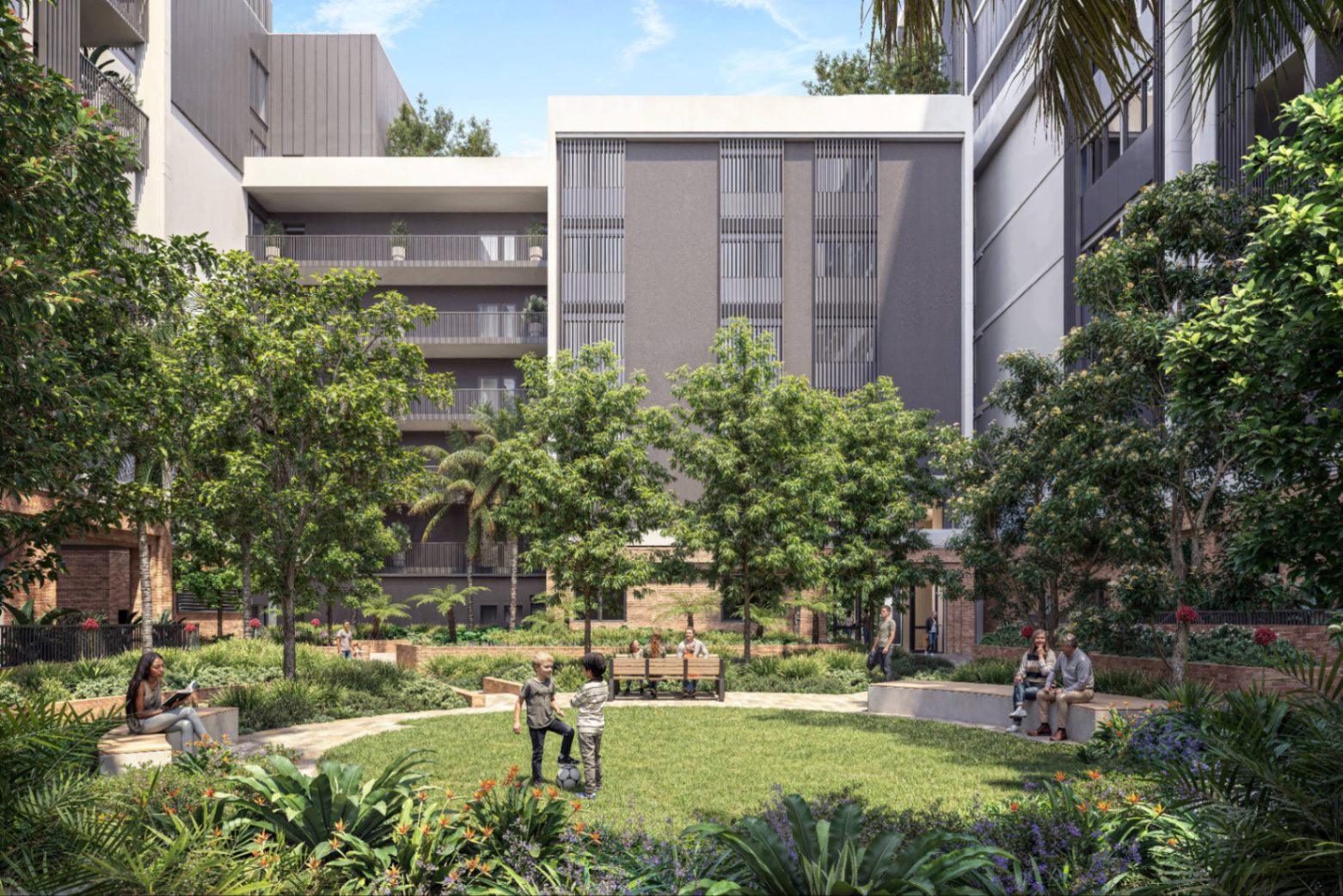 Coposit | Buy with $17K | Sydney Real Estate Market | Buy Property in NSW
Dawn | Melrose Park NSW | $17K deposit | Secure with $17k and $236 x 78 weeks
Depreciation is not automatically calculated by the ATO or provided by the developer. To claim it accurately, most investors engage a quantity surveyor to prepare a tax depreciation schedule.
A quantity surveyor inspects the property (or for new off-the-plan properties, works from the developer's specifications) and produces a schedule that lists every depreciable item, its value, its effective life, and the annual deduction available under both the prime cost and diminishing value methods for each financial year of the ownership period. The schedule typically covers forty years.
The cost of preparing the schedule is itself tax deductible. The investment typically produces significantly more in tax savings than it costs. For a new apartment where the quantity surveyor cannot physically inspect the property before settlement, the inspection is conducted immediately after settlement and the schedule covers the full first year.
The two depreciation methods produce different deduction profiles. The diminishing value method produces higher deductions in the early years and lower deductions later. The prime cost method produces equal deductions each year over the asset's life. Most investors use the diminishing value method for plant and equipment to maximise early-year deductions, though an accountant can confirm which suits your specific situation.
 Coposit | Buy with $10K | Gold Coast Real Estate | Buy investment property in QLD
Lura by TANCA | Burleigh Heads QLD | $10K deposit | Secure with $10k and $1,390 x 50 weeks
For apartment investors, the depreciation available within the individual lot is separate from any depreciation available in common property. Common property depreciation, including lifts, lobby fittings, common area air conditioning, and the structure of common areas, can sometimes be claimed by individual lot owners as an additional deduction. The availability and mechanism for this varies by state and by the strata scheme's accounting practices, and is worth confirming with both the strata manager and your accountant.
Strata levies themselves, covering both the administrative fund and the capital works fund, are deductible against rental income as a holding expense for the investment property.
Is Buying a New Apartment Different From Investing in an Established One? covers the broader comparison between new and established apartment investment, with the depreciation advantage as one of several factors that distinguish the two.
Coposit's off-the-plan model gives investors access to brand new properties with full depreciation schedules from settlement, secured with $10,000 upfront while the deposit builds through weekly instalments during construction. Browse current investment-grade developments, get the Coposit app, or speak with the team to find out more.
Share this article



Follow Coposit:


© 2025 Copyright Coposit.

